TNA Parliamentarian Urges Government to Lift Ban on LTTE in Parliamentary Address
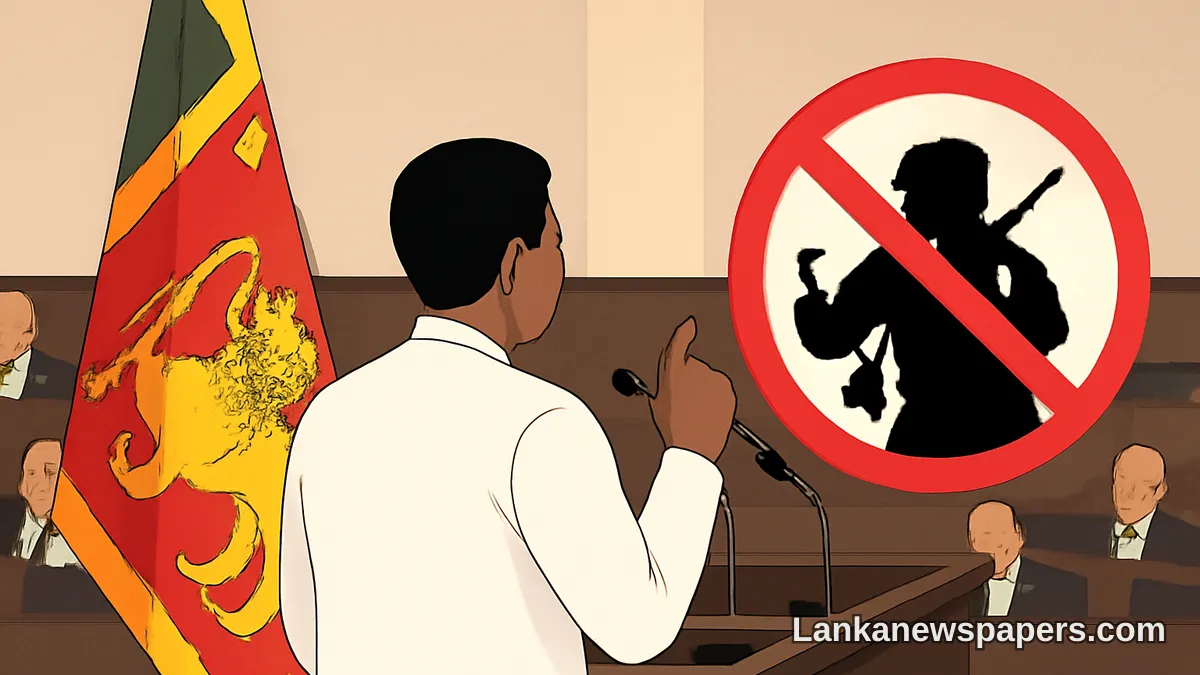
Tamil National Alliance parliamentarian Shritharan has made a bold appeal to the Sri Lankan government, calling for the removal of the ban on the Liberation Tigers of Tamil Eelam (LTTE) during a speech delivered in parliament.
A Controversial Demand on the Parliamentary Floor
The Tamil parliamentarian used the legislative chamber as his platform to raise a demand that is certain to stir significant debate across Sri Lanka's political landscape. Shritharan's call to lift the proscription on the LTTE — the separatist organisation defeated by Sri Lankan security forces in May 2009 — marks one of the more direct appeals of its kind heard in parliament in recent times.
The LTTE, which waged a decades-long armed campaign seeking a separate Tamil homeland in the north and east of the island, has remained a banned organisation in Sri Lanka following the end of the civil war. The group is also designated as a terrorist organisation by a number of countries, including the United States, the United Kingdom, and India.
Context Behind the Call
Tamil political representatives have long argued that meaningful reconciliation between the Sinhalese and Tamil communities cannot be achieved without addressing longstanding grievances rooted in the war and its aftermath. While the specifics of Shritharan's full parliamentary address were not elaborated upon in detail, the call to lift the ban reflects a broader sentiment held by a segment of Sri Lanka's Tamil political leadership.
The demand is expected to face strong opposition from Sinhalese nationalist parties and various government factions, who regard any rehabilitation of the LTTE's status as politically and morally unacceptable given the organisation's history of violence, including suicide bombings and the targeting of civilians.
Reactions Anticipated Across Political Divide
Political observers in Colombo note that such statements, while representing the views of a portion of the Tamil electorate, are unlikely to find traction within the current administration or among the parliamentary majority. However, they underscore the unresolved tensions that continue to define ethnic politics in post-war Sri Lanka.
The speech is expected to draw responses from senior government ministers as well as opposition parties in the coming days, reigniting debate over how Sri Lanka navigates its complex path toward lasting national reconciliation.
💬 Join the Discussion 2
See what readers are saying — and add your view.
after everything that happened he wants to lift the ban? seriously?
thats what I thought. what kind of message does that send