Historic Move: Bill to Repeal Controversial Prevention of Terrorism Act Set for Parliament
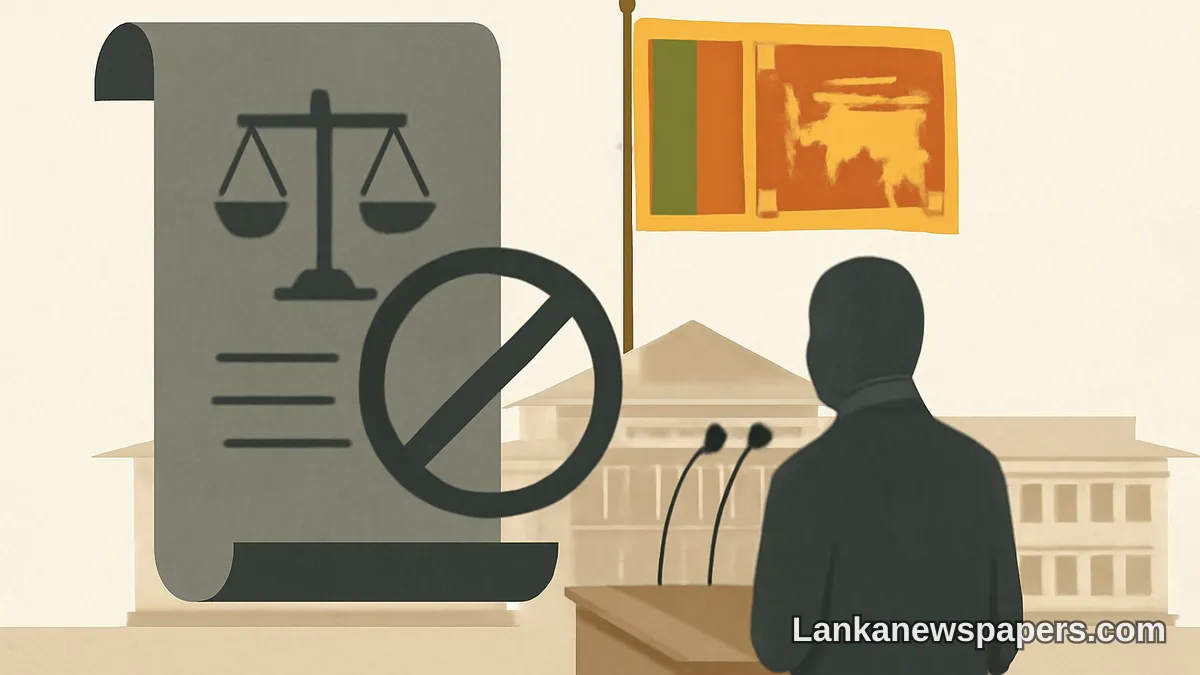
A landmark piece of legislation seeking to formally repeal Sri Lanka's long-controversial Prevention of Terrorism Act (PTA) is scheduled to be placed before Parliament, marking a significant moment in the country's ongoing efforts to reform its security and civil liberties framework.
A Law Long Criticised
The Prevention of Terrorism Act has drawn sustained criticism from human rights organisations, civil society groups, and the international community for decades. Critics have long argued that the legislation has been used to detain individuals — often from minority communities — for extended periods without trial, raising serious concerns about due process and fundamental rights.
Despite repeated promises by successive governments to reform or abolish the act, concrete legislative action has been slow in coming, making the tabling of a repeal bill a notable development for many who have campaigned tirelessly for its removal from the statute books.
What the Bill Means
The presentation of the bill in Parliament represents a formal step toward dismantling a legal instrument that has been in place for several decades. While the tabling of the bill does not guarantee its immediate passage into law, it signals political willingness at the highest legislative level to address one of the most contentious pieces of legislation in Sri Lanka's modern history.
- The PTA has been in existence for several decades and has faced widespread condemnation locally and internationally.
- Human rights bodies have repeatedly called on Sri Lanka to repeal or substantially amend the act.
- The move is expected to be closely watched by foreign governments and international institutions, including the United Nations Human Rights Council.
Broader Implications
The repeal effort carries significant implications not only for domestic governance but also for Sri Lanka's standing on the international stage. The country has faced pressure from foreign partners and trade blocs, including the European Union, to demonstrate tangible progress on human rights commitments as a condition for maintaining preferential trade arrangements.
The tabling of this bill is being seen by many observers as a test of the current administration's commitment to meaningful democratic and human rights reform.
Parliament is expected to debate the bill in the sessions ahead, with the outcome likely to have far-reaching consequences for how Sri Lanka balances national security concerns with the protection of individual freedoms and civil liberties.



💬 Join the Discussion 2
See what readers are saying — and add your view.
finally, took them long enough. PTA was used to harass innocent ppl for years
but what will they replace it with? cant just leave a gap