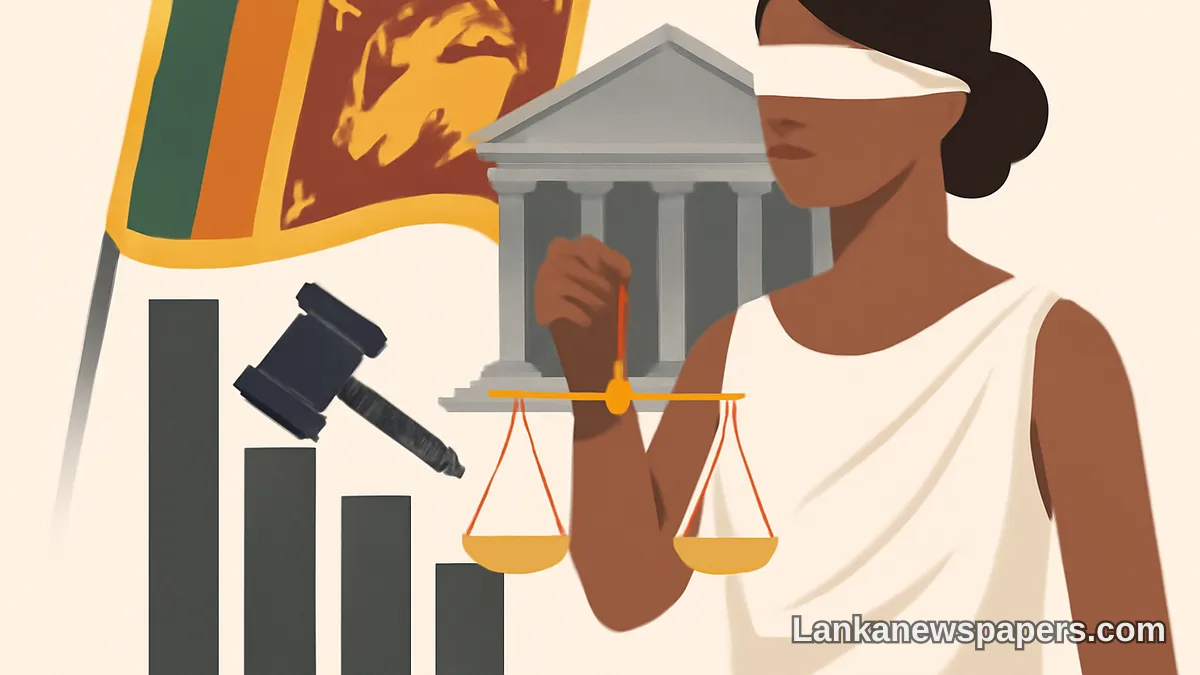
Sri Lanka is entering a significant new chapter in its pursuit of accountability, with prosecutions targeting prominent figures from former Rajapaksa-era administrations expected to intensify this month following the resolution of key legal and administrative obstacles, officials involved in the process have confirmed.
Legal Logjams Finally Breaking
Authorities have indicated that a series of procedural hurdles and bureaucratic bottlenecks that had previously slowed the progress of high-profile cases are now being cleared, paving the way for a more aggressive phase of legal proceedings against individuals who held power during the Rajapaksa administrations.
Among those in the crosshairs of prosecutors is former President Gotabaya Rajapaksa, whose tenure has been subject to intense scrutiny in the aftermath of Sri Lanka's devastating economic crisis, which triggered widespread public unrest and ultimately led to his dramatic exit from office in 2022.
A Nation Watching Closely
For many Sri Lankans who endured crippling fuel shortages, prolonged power cuts, and severe shortages of essential medicines during the country's worst economic meltdown in decades, the acceleration of these prosecutions will be closely watched as a measure of the government's genuine commitment to accountability and justice.
Critics and civil society groups have long argued that the pace of legal action against those deemed responsible for policies that contributed to the economic collapse has been frustratingly slow, and that political will has at times appeared lacking.
Officials Signal Renewed Momentum
Officials directly involved in the prosecution process have signalled that the current month marks a turning point, with the groundwork now sufficiently laid to move proceedings forward at a markedly faster pace. While specific details of individual cases remain subject to legal confidentiality, the broader signal from those within the system is one of renewed momentum.
The developments come as Sri Lanka continues its recovery journey under an International Monetary Fund programme, with governance reform and the establishment of rule of law remaining central expectations of both international creditors and domestic reformers.
How swiftly and transparently these prosecutions unfold is likely to have significant implications not only for justice but also for public trust in state institutions — trust that was severely eroded during the years of political and economic turmoil that defined the Rajapaksa era's turbulent final chapter.


💬 Join the Discussion 2
See what readers are saying — and add your view.
Finally action. But lets see if anything actually happens or just talk.
Exactly, they been saying this for months machan.