From Power to Peril: The Sweeping Downfall of Sri Lanka's Rajapaksa Dynasty
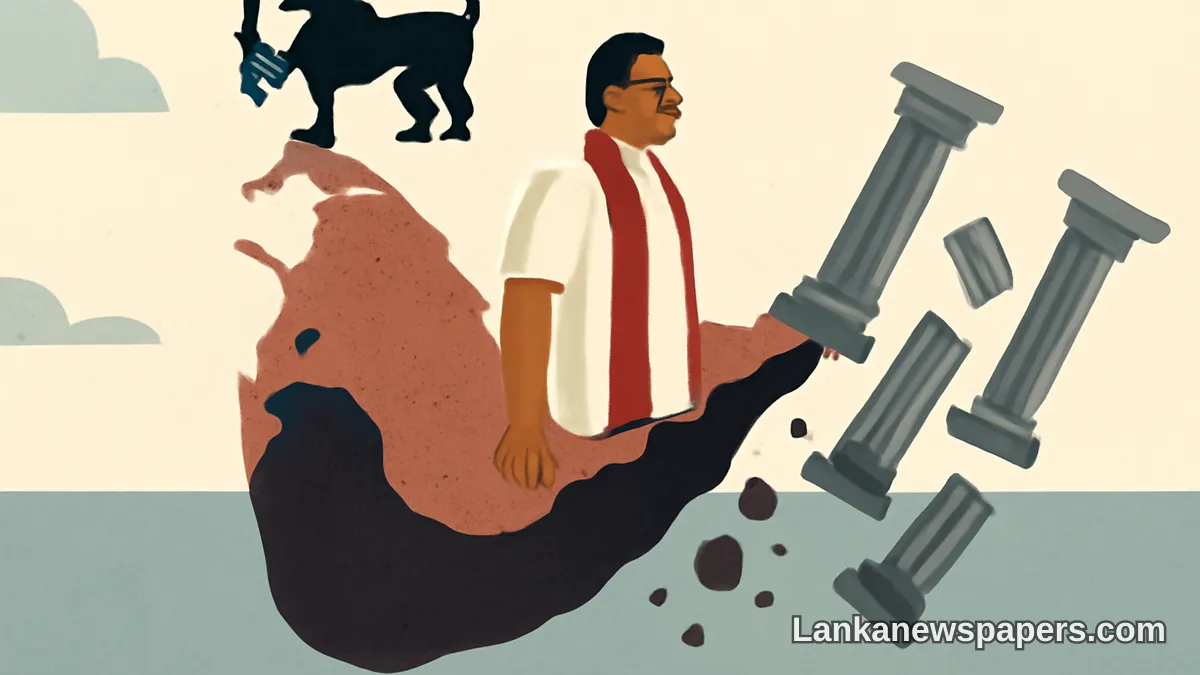
Once the undisputed rulers of Sri Lanka's political landscape, the Rajapaksa family — whose grip on power shaped the island nation for nearly two decades — now find themselves navigating a treacherous new reality of criminal investigations, imprisonment, and self-imposed exile abroad.
A Dynasty Built on Dominance
The Rajapaksas rose to near-mythical status in Sri Lanka following the end of the brutal civil war in 2009, when then-President Mahinda Rajapaksa oversaw the military defeat of the Liberation Tigers of Tamil Eelam (LTTE). That victory cemented the family's popularity and gave them an almost unassailable political platform.
At their peak, multiple members of the family simultaneously held key positions of state. Mahinda served as President, while his brother Gotabaya Rajapaksa later succeeded him in that role. Other family members occupied Cabinet posts and parliamentary seats, effectively turning governance into a family enterprise that critics long warned was eroding Sri Lanka's democratic institutions.
The Economic Collapse That Changed Everything
The family's fortunes began to unravel dramatically amid Sri Lanka's catastrophic economic crisis of 2022 — the worst the country had faced since independence. Fuel shortages, soaring food prices, prolonged power cuts, and a near-total depletion of foreign currency reserves drove millions of Sri Lankans into desperate hardship.
Public anger reached a boiling point in July 2022, when hundreds of thousands of protesters stormed the presidential residence in Colombo. Gotabaya Rajapaksa, who had been widely blamed for mismanaging the economy and introducing sweeping tax cuts that gutted state revenue, fled the country to the Maldives and then Singapore before formally resigning the presidency. It was an extraordinary and humiliating end to what had once seemed like an unbreakable political dynasty.
Investigations, Arrests and Legal Battles
Since the political collapse, Sri Lankan authorities have launched a series of investigations into members of the Rajapaksa family and their close associates. The probes span a wide range of alleged offences, including financial fraud, misappropriation of public funds, and abuse of power during their years in government.
- Several former ministers and officials with close ties to the family have been taken into custody in connection with ongoing corruption inquiries.
- Investigators have been examining large-scale infrastructure projects undertaken during the Rajapaksa era, many of which were funded by Chinese loans and are now seen as having contributed significantly to the country's debt crisis.
- Legal proceedings related to alleged irregularities in state procurement and public spending have been initiated through multiple government bodies.
The investigations reflect a broader shift in Sri Lanka's political climate, where public tolerance for impunity among the powerful has sharply diminished following the 2022 uprising.
Exile and Political Isolation
Gotabaya Rajapaksa has remained largely out of public sight since his resignation, spending extended periods overseas. His return to Sri Lanka has been met with continued legal scrutiny and public hostility, leaving him politically isolated in a way that would have been unimaginable just a few years ago.
Mahinda Rajapaksa, despite retaining a degree of loyalty among some sections of the Sri Lankan electorate — particularly in his southern stronghold — has also seen his influence diminish sharply. His party, the Sri Lanka Podujana Peramuna (SLPP), suffered a devastating defeat in the 2024 general elections, signalling that voters had largely turned the page on the family's era of dominance.
A Cautionary Chapter in Sri Lankan History
The rise and fall of the Rajapaksas stands as one of the most dramatic political stories in modern South Asian history — a family that went from commanding the loyalty of millions to facing criminal scrutiny and political irrelevance within the space of just a few turbulent years.
For Sri Lanka, now on a fragile path of economic recovery under an IMF-supported programme, the Rajapaksa chapter has left lasting lessons about the dangers of concentrated power, unchecked borrowing, and the erosion of institutional accountability.
Whether the legal proceedings against family members will result in significant convictions remains to be seen. But the political dynasty that once seemed unbreakable has, for now, been firmly dismantled — a testament to the power of a citizenry pushed beyond its limits.


💬 Join the Discussion 0
Be the first to share your view on this story.