Firebrand Monk Gnanasara Remanded After Presidential Pardon Quashed by Sri Lankan Court
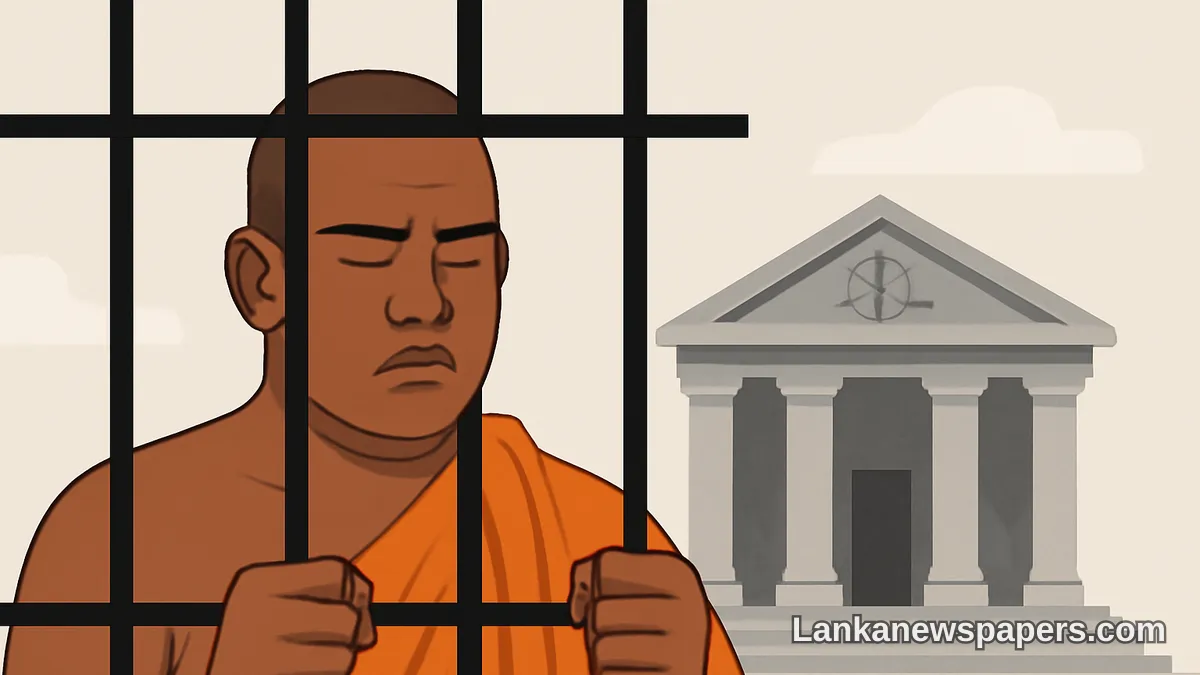
A Sri Lankan court has ordered the remand of controversial Buddhist monk Galagoda Aththe Gnanasara after a presidential pardon that had secured his release was overturned, marking a significant legal development in one of the country's most closely watched cases.
Pardon Struck Down
The monk, who is the General Secretary of the hardline Bodu Bala Sena (BBS) organisation, had previously been granted a presidential pardon following a prison sentence handed down for contempt of court. However, judicial authorities moved to nullify that pardon, paving the way for his return to custody.
Following the court's decision to overturn the pardon, Gnanasara was taken back into remand detention, sending a strong signal that no individual — regardless of religious standing or political connections — is above the reach of the law.
A Deeply Polarising Figure
Gnanasara has long been one of Sri Lanka's most divisive public figures. He rose to national and international notoriety for his inflammatory rhetoric targeting minority communities, particularly Muslims and Christians, and has been widely condemned by human rights organisations both locally and abroad.
His organisation, the Bodu Bala Sena, was at the centre of several episodes of communal tension in Sri Lanka, and critics have long argued that his previous pardon represented a miscarriage of justice.
Legal and Public Reaction
The decision to remand the monk has been welcomed by civil society groups and legal advocates who had consistently challenged the legitimacy of the presidential pardon. Many viewed the original pardon as a politically motivated move that undermined judicial independence.
- Gnanasara had previously served time for contempt of court charges
- A presidential pardon had been granted, leading to his earlier release
- Sri Lankan courts subsequently moved to overturn that pardon
- The monk has now been placed back in remand custody
Legal analysts note that the overturning of a presidential pardon is a rare and consequential judicial act, and that this case could set an important precedent for the limits of executive clemency in Sri Lanka.
Broader Implications
This development comes at a time when Sri Lanka is under renewed scrutiny over its commitment to reconciliation, minority rights, and the rule of law. The case against Gnanasara has drawn attention from international human rights bodies that have long urged Sri Lankan authorities to hold accountable those who incite communal violence.
As the legal proceedings continue, the case is expected to remain a flashpoint in Sri Lanka's ongoing national conversation about justice, religious extremism, and the independence of its judiciary.



💬 Join the Discussion 0
Be the first to share your view on this story.