EU Defies US Pressure to Release Emergency Diesel Reserves Amid Iran War Crisis
Brussels Stands Firm Against Washington's Fuel Demands
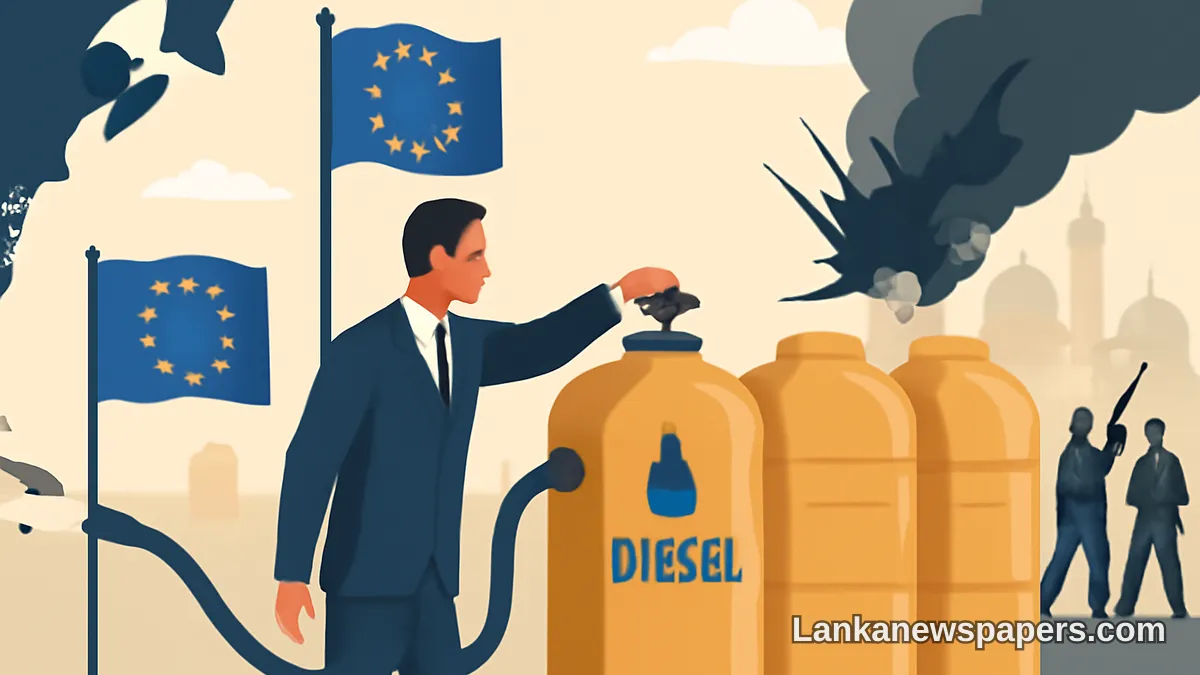
The European Union has issued a firm rejection of an American demand that it release emergency diesel stocks, as fuel prices surge across the United States and international markets in the wake of the ongoing conflict with Iran.
EU officials declared they "fully reject" the position put forward by Washington, which had called on European nations to open up strategic reserves in a bid to ease mounting pressure on diesel supplies and curb spiralling costs at the pump.
US Threat of Export Ban Draws Sharp Response
The standoff escalated further after the United States threatened to impose a ban on diesel exports to Europe should the bloc refuse to comply with its demands. Brussels, however, refused to yield to what it characterised as an unacceptable ultimatum.
The dispute underscores the growing strain on global energy markets triggered by the Iran conflict, which has disrupted supply chains and driven fuel costs sharply higher across multiple regions, including parts of Asia where Sri Lanka and its neighbours remain vulnerable to price shocks.
Implications for Global Energy Stability
The deepening rift between two of the world's largest economic powers over emergency energy reserves raises serious concerns about coordinated international responses to wartime fuel shortages. Key points of contention include:
- Washington's insistence that allies share the burden of stabilising global diesel markets
- The EU's position that releasing strategic reserves is a matter of sovereign national security policy
- The threat of retaliatory trade measures, including a potential US export ban on diesel to European markets
The EU "fully rejects" the threat made by the US to ban diesel exports if Europe does not release more of its fuel stocks.
As the situation continues to develop, energy analysts warn that prolonged disagreement between the EU and the US could further destabilise an already fragile global fuel supply chain, with downstream consequences felt by fuel-importing nations across the world, including Sri Lanka, which remains heavily dependent on diesel for transport, power generation, and industry.


💬 Join the Discussion 0
Be the first to share your view on this story.