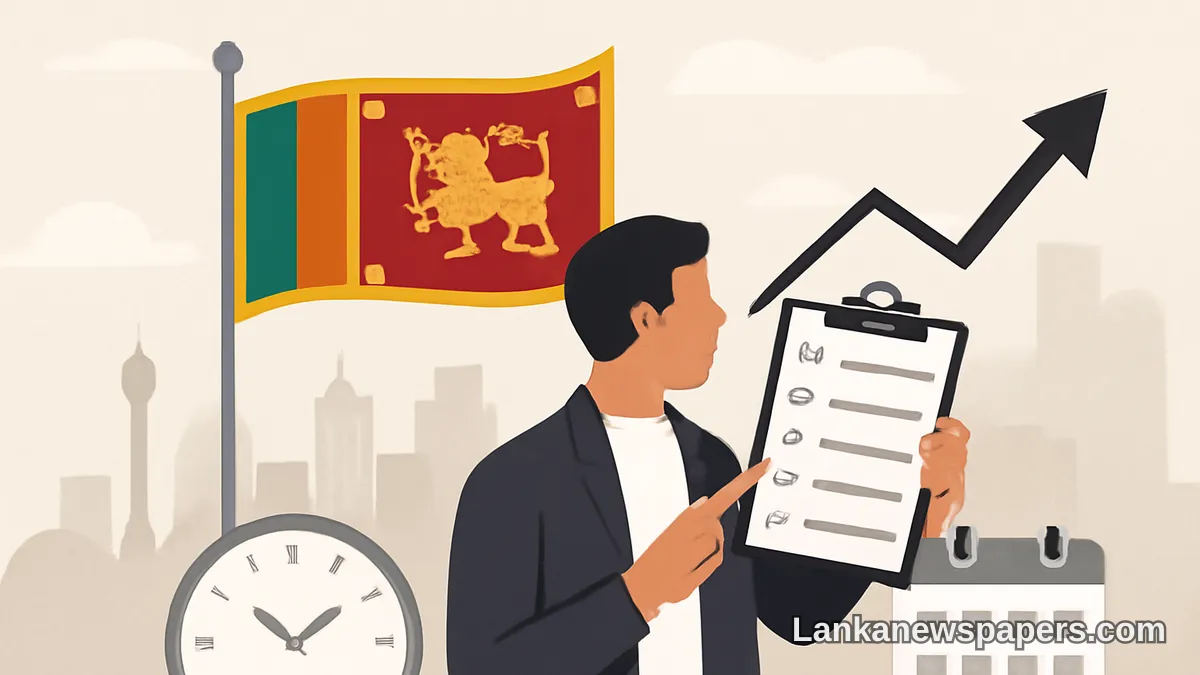
A Government Under Scrutiny
Two years have passed since the Janatha Vimukthi Peramuna (JVP) and its broader electoral coalition, the National People's Power (NPP), swept to power in Sri Lanka on a wave of public frustration following the island's catastrophic economic crisis. As the anniversary of their rise to governance passes, questions are mounting over whether the administration has delivered on the transformative promises that carried it to victory.
The Promise That Defined an Era
The NPP rode into power on an unprecedented surge of popular sentiment, capitalising on the mass uprising known as the Aragalaya movement, which had ousted former President Gotabaya Rajapaksa in 2022. Voters, exhausted by decades of corruption and economic mismanagement under the traditional ruling parties, placed their hopes in a coalition that pledged systemic change, accountability, and relief for ordinary Sri Lankans bearing the brunt of austerity measures imposed under an International Monetary Fund bailout programme.
Continuity Over Change
Critics, however, argue that the JVP/NPP government has largely continued the economic policies of its predecessors rather than charting a genuinely alternative course. The administration has maintained its commitment to the IMF agreement, pressing ahead with fiscal consolidation measures that have included tax increases and reductions in public spending — policies that have placed a heavy burden on working-class and middle-class Sri Lankans.
- Continued adherence to IMF-mandated austerity conditions
- Ongoing pressure on state enterprise reform and privatisation
- Limited progress on promised anti-corruption prosecutions
- Persistent cost-of-living pressures affecting low-income households
Defenders Point to Stability
Supporters of the government counter that stabilising an economy on the brink of total collapse was never going to be a painless process. They point to improvements in foreign exchange reserves, a gradual easing of the acute shortages of fuel and medicine that defined the 2022 crisis, and what they describe as a more transparent and disciplined approach to public finances compared to previous administrations.
The government inherited an economy in ruins. Rebuilding credibility with international lenders while shielding the most vulnerable was never going to satisfy everyone, but the alternative was far worse.
Social Discontent Persists
Despite these arguments, social discontent has not dissipated. Trade unions, civil society groups, and opposition parties have continued to stage protests over the pace of economic recovery and what they perceive as the government's failure to fundamentally restructure an economic system that critics say was designed to serve elites at the expense of the majority.
The plantation sector, garment workers, and public sector employees have all mounted industrial actions during this period, signalling that the government's base among working people remains fragile and conditional rather than consolidated.
The Road Ahead
As the JVP/NPP administration enters its third year, it faces the challenge of maintaining macroeconomic stability while responding to legitimate demands for tangible improvements in living standards. How it navigates that tension will likely determine both its political fortunes and its place in Sri Lanka's turbulent modern history.
For a public that placed extraordinary faith in a party that once positioned itself as the voice of the dispossessed, the next phase of governance will be watched with a mixture of hope and hard-won scepticism.

💬 Join the Discussion 2
See what readers are saying — and add your view.
two years already and prices still same, what changed actually?
exactly yaar, they promised so much before election