Viral '65% Poverty' Claim About Sri Lanka Debunked — World Bank Figure Tells a Different Story
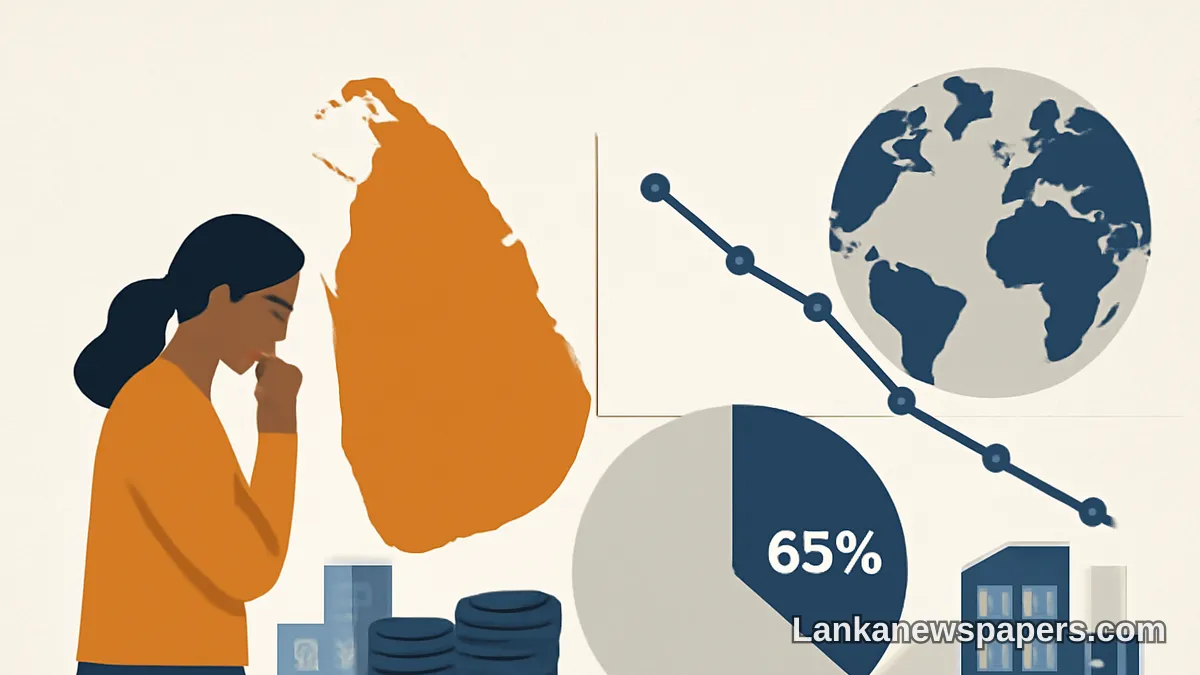
A claim circulating widely on social media suggesting that 65% of Sri Lanka's population lives in poverty has been identified as misleading, with fact-checkers clarifying that the figure has been taken out of context from a World Bank projection that is already on a downward trajectory.
What the Claim Says
The assertion, which has gained significant traction online, presents the 65% statistic as a definitive measure of Sri Lanka's current poverty levels. Many who shared the figure used it to paint a dire and static picture of the country's economic situation, often without providing the full context behind the number.
The World Bank's Actual Position
According to fact-checkers, the figure originates from a World Bank forecast — a forward-looking projection rather than a confirmed, present-day measurement. Crucially, the projection itself reflects a declining trend, meaning the statistic was never intended to represent a fixed or worsening state of poverty in Sri Lanka.
Presenting a falling forecast as a straightforward statement of current reality fundamentally distorts the data's meaning and misleads the public about the true direction of the country's economic recovery.
Why Context Matters
Sri Lanka has been navigating a severe economic crisis in recent years, making accurate reporting on poverty and living standards especially important. Misrepresenting economic data — whether intentionally or through careless sharing — can fuel unnecessary public panic and undermine confidence in genuine recovery efforts.
- The 65% figure is a World Bank forecast, not a confirmed current statistic.
- The projection indicates a falling trend in poverty levels, not a rising one.
- Sharing the number without this context significantly alters its meaning.
A Reminder on Responsible Information Sharing
Economic statistics, particularly those sourced from international institutions, must always be read alongside the methodology, timeframe, and trajectory they represent — not in isolation.
Fact-checkers have urged the public to exercise caution before amplifying economic claims on social media, especially those that lack citations or strip away the original context of the data being referenced.
As Sri Lanka continues its path toward economic stabilisation, ensuring that public discourse is grounded in accurate and complete information remains essential for both policymakers and citizens alike.


💬 Join the Discussion 2
See what readers are saying — and add your view.
finally someone debunking this. ppl just share anything without checking
but also cant fully trust World Bank no? they have their own agenda