Maldives' Mandatory Dollar Conversion Rule Opens a Golden Door for Sri Lanka's Tourism Industry
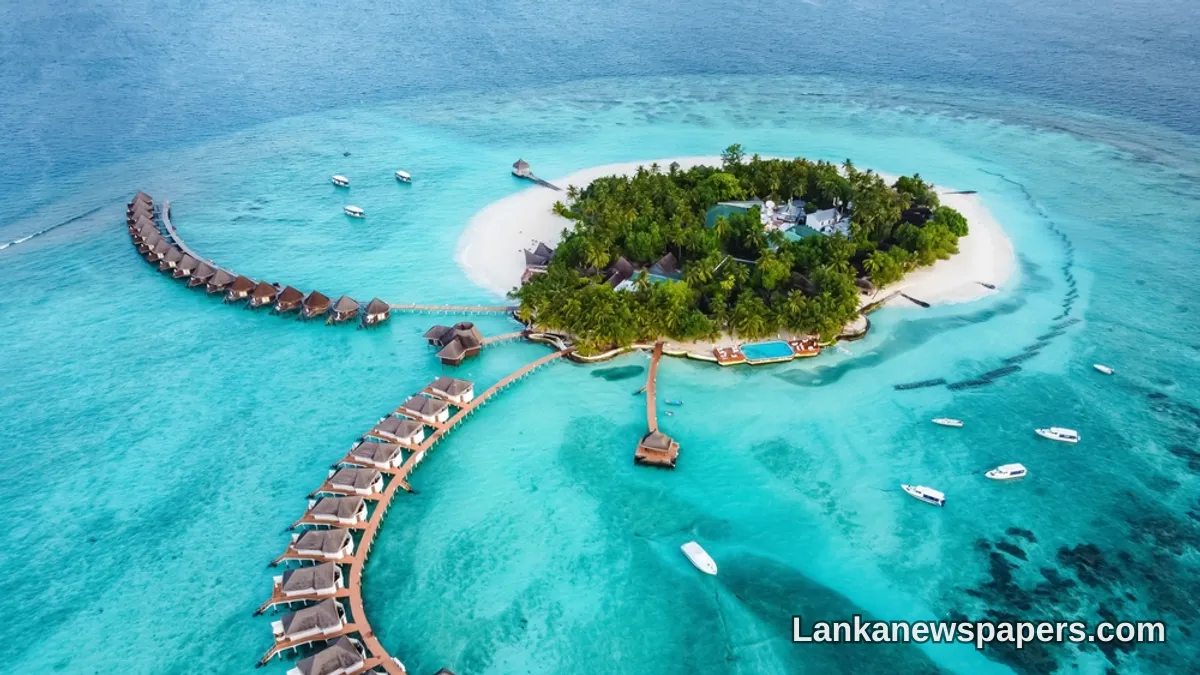
A significant regulatory shift in the Maldives is being closely watched across South Asia, with analysts suggesting Sri Lanka stands to emerge as one of the primary beneficiaries of the island nation's sweeping new foreign currency policy.
What the Maldives Has Done
On 31 August 2026, Maldivian President Mohamed Muizzu signed the First Amendment to the Foreign Currency Act into law, along with six other pieces of legislation. The amendment took immediate effect, coming into force on 1 September 2026. Central to the reform is a mandatory 40 percent foreign currency conversion requirement, a rule that compels tourism operators and businesses receiving dollar-denominated income to convert a substantial portion of those earnings into the local rufiyaa through the Maldives Monetary Authority.
Why This Matters for the Region
While the Maldives introduced the measure as part of broader efforts to stabilise its own foreign exchange reserves and reduce dollarisation within its domestic economy, the ripple effects are expected to extend well beyond its own shores. Tourism industry observers note that such a policy increases the regulatory burden on resort operators and travel businesses in the Maldives, potentially making the destination comparatively less attractive to international investors and high-spending tourists sensitive to financial friction.
For Sri Lanka, which has been painstakingly rebuilding its tourism sector following the twin blows of the 2019 Easter Sunday attacks and the devastating 2022 economic crisis, this development arrives at a particularly opportune moment.
Sri Lanka's Window of Opportunity
Sri Lanka offers a compelling alternative in the South Asian tourism market — a diverse portfolio of attractions including UNESCO World Heritage Sites, pristine beaches, rich cultural heritage, and an expanding luxury hospitality sector. Crucially, Sri Lanka does not impose equivalent mandatory conversion restrictions, giving it a structural advantage in attracting tourism investment and visitor spending that might otherwise have flowed into the Maldives.
Regional tourism economists argue that when one destination introduces policies perceived as financially restrictive, capital and tourist footfall tend to migrate toward comparable destinations offering greater financial flexibility. Sri Lanka, along with other regional players, is well positioned to capture that redirected interest.
A Timely Boost for Sri Lanka's Recovery
Sri Lanka's tourism authorities have set ambitious arrivals and revenue targets as the country continues its economic recovery under an IMF-supported programme. Foreign exchange earnings from tourism remain a critical pillar of that recovery, and any development that channels additional visitor spending toward Sri Lanka is viewed favourably by policymakers and industry stakeholders alike.
Hotel groups, travel operators, and destination marketing organisations in Sri Lanka would do well to monitor developments in the Maldives closely and proactively market the island's offerings to travel planners and investors who may be reassessing their regional commitments in light of Malé's new regulatory environment.
As the Maldives navigates the domestic consequences of its foreign currency amendment, Sri Lanka has a clear and time-sensitive opportunity to sharpen its competitive pitch and position itself as the region's premier tourism destination for both visitors and industry investment.


💬 Join the Discussion 0
Be the first to share your view on this story.