ADB Warns Escalating Middle East Conflict Could Strike Sri Lanka's Economy on Six Key Fronts
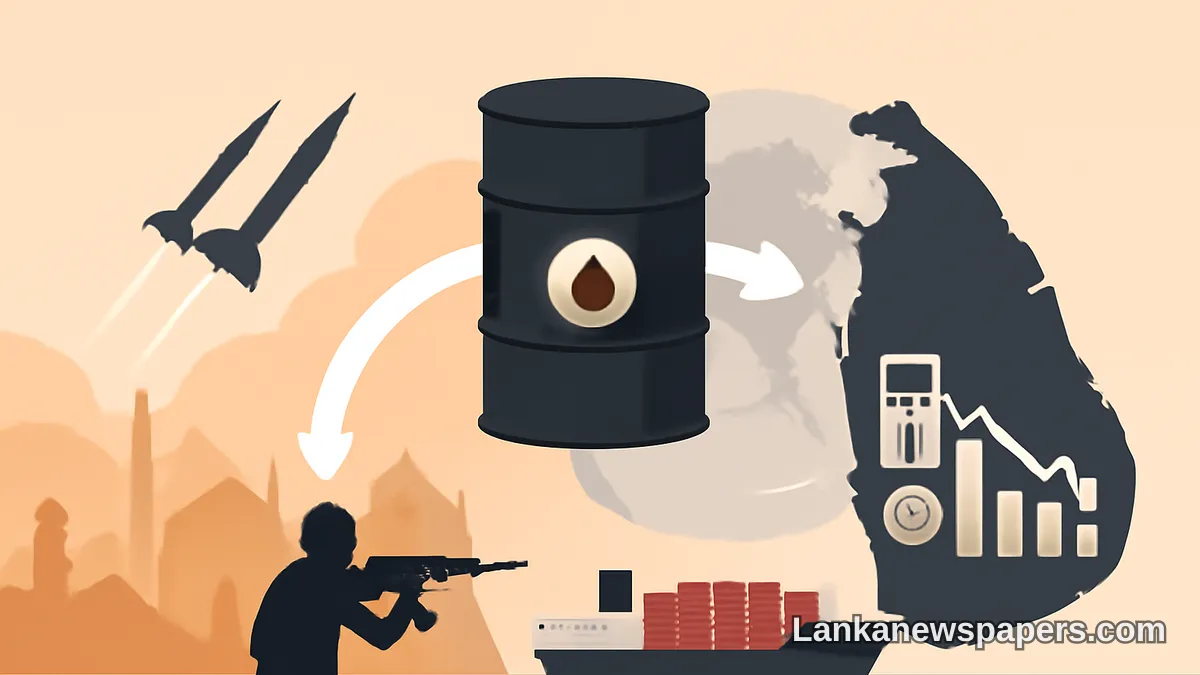
Regional Instability Poses Multi-Dimensional Threat to Sri Lanka's Economic Recovery
The Asian Development Bank (ADB) has sounded the alarm over the deepening conflict in the Middle East, cautioning that Sri Lanka's fragile economic recovery could face serious setbacks across six critical areas if regional tensions continue to escalate.
Six Fronts of Economic Vulnerability
According to the ADB's assessment, Sri Lanka's exposure to Middle East instability is broad and cuts across several pillars of the national economy. The bank identified the following key areas of concern:
- Remittances: A significant portion of Sri Lanka's foreign exchange earnings comes from workers employed in Middle Eastern countries. Any deterioration in regional security could disrupt employment opportunities and reduce the flow of remittances that many Sri Lankan households depend upon.
- Oil and Energy Costs: Sri Lanka imports the bulk of its petroleum requirements, and a spike in global oil prices driven by Middle East conflict would place immediate pressure on energy costs and the country's import bill.
- Tourism: Heightened global uncertainty and disrupted air travel corridors could dampen tourist arrivals, dealing a blow to a sector that Sri Lanka has been actively rebuilding since the 2022 economic crisis.
- Trade and Shipping: Disruptions to key maritime routes passing through the Red Sea and surrounding waters could increase freight costs and delay cargo, affecting both exports and imports.
- Inflation: Rising energy and commodity prices linked to Middle East tensions could feed into broader inflationary pressures domestically, eroding purchasing power at a time when Sri Lankans are still recovering from a historic cost-of-living crisis.
- Financial Market Volatility: Global investor sentiment tends to sour during geopolitical flare-ups, potentially affecting capital flows and Sri Lanka's efforts to stabilise its financial standing on the international stage.
A Timely Warning for a Recovering Economy
Sri Lanka is currently navigating a delicate recovery path following its worst economic crisis in decades, which saw the country default on its foreign debt in 2022 and seek an International Monetary Fund bailout. The ADB's warning underscores just how vulnerable the island nation remains to external shocks, despite measurable progress in stabilising key economic indicators.
The ADB's assessment serves as a stark reminder that Sri Lanka's recovery, while encouraging, is not yet insulated from the turbulence of global geopolitical events.
Economists and policymakers will need to closely monitor developments in the Middle East and consider contingency measures to cushion the domestic economy against any potential spillover effects. Strengthening foreign exchange reserves, diversifying export markets, and supporting overseas workers are among the steps that analysts say could help reduce Sri Lanka's exposure to such external risks.
The ADB has consistently urged emerging economies in the Asia-Pacific region to build economic buffers against global uncertainties, and its latest caution directed at Sri Lanka reinforces the need for sustained fiscal discipline and strategic economic planning in the months ahead.


💬 Join the Discussion 4
See what readers are saying — and add your view.
ADB always warning warning, but who is actually preparing for this
our workers in middle east sending remittances, that alone is big problem if conflict spreads
six fronts means six more excuses for goverment to raise prices again
exactly, they were waiting for any reason no