Sri Lanka's Dengue Crisis Deepens as Cases Cross 99,000 Mark — Gampaha Faces Gravest Threat
National Dengue Toll Crosses Critical Threshold
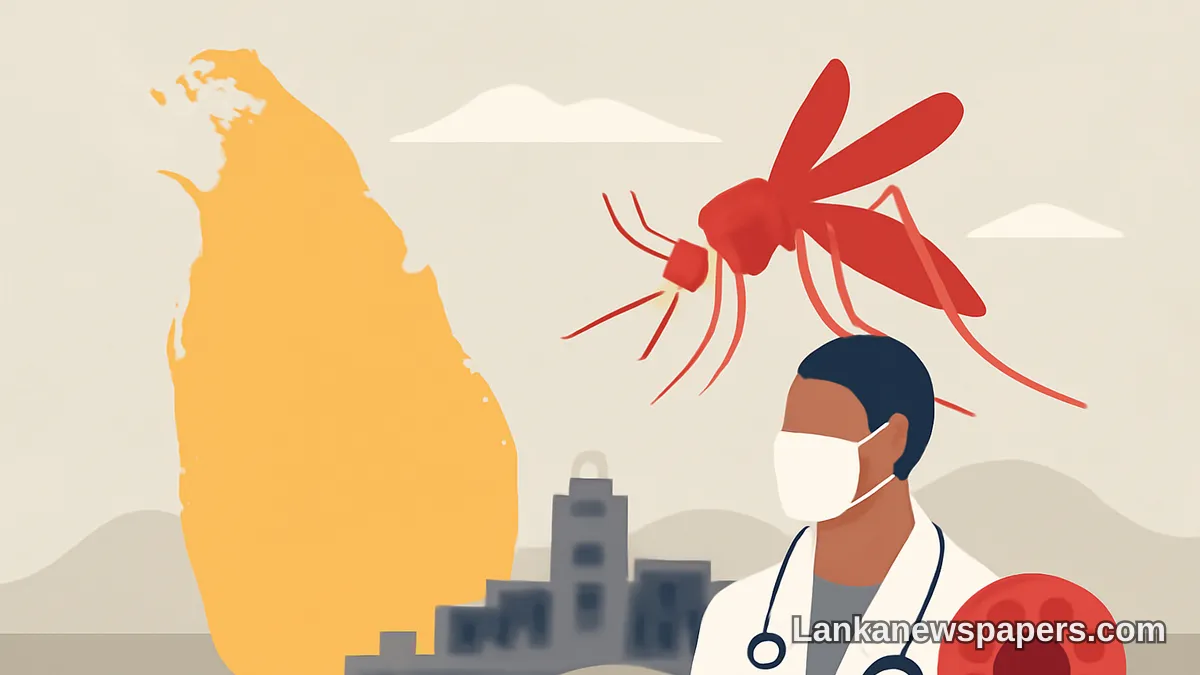
Sri Lanka's battle against dengue fever has reached an alarming milestone, with the total number of reported cases nationwide surpassing 99,000. Health authorities are urging citizens to remain vigilant as the mosquito-borne illness continues to spread rapidly across the island, showing no signs of slowing down.
Gampaha District Identified as Epicentre
Among all districts, Gampaha has emerged as the most severely affected, carrying the highest burden of dengue infections in the country. The densely populated Western Province district, which borders the commercial capital Colombo, has long been considered a hotspot for the disease due to its urban sprawl, high population density, and abundance of potential mosquito breeding grounds.
A Recurring Public Health Challenge
Dengue fever remains one of Sri Lanka's most persistent public health challenges, with outbreaks intensifying during and after periods of heavy rainfall. The Aedes aegypti mosquito, the primary carrier of the dengue virus, thrives in stagnant water collections commonly found in urban and semi-urban settings — including discarded containers, tyres, and poorly maintained drainage systems.
What Citizens Can Do
Health officials continue to stress the importance of community-level prevention. Residents are encouraged to take the following precautions:
- Eliminate all sources of stagnant water around homes and workplaces
- Use mosquito repellents and wear protective clothing, especially during dawn and dusk
- Ensure water storage containers are tightly covered at all times
- Seek immediate medical attention if symptoms such as high fever, severe headache, or body pain develop
- Cooperate with public health inspectors conducting local surveillance visits
Authorities on High Alert
The Ministry of Health and regional health services have been placed on heightened alert as the case count climbs. Surveillance teams have been deployed across high-risk zones to monitor breeding sites and conduct awareness programmes among local communities. Hospitals in affected districts have also been instructed to ensure adequate capacity and resources for dengue case management.
With cases already past the 99,000 mark, health experts warn that without sustained community participation in prevention efforts, the final annual tally could reach unprecedented levels.
The public is strongly advised to treat dengue prevention as a shared civic responsibility and to remain in close contact with local health authorities for guidance and updates.

💬 Join the Discussion 2
See what readers are saying — and add your view.
99,000 cases and goverment still doing same old fogging only. pathetic.
fogging doesnt even work properly, just PR stunt