Sri Lanka's Apparel Industry Pivots to Upstream Investment Amid Growing US Trade Pressures
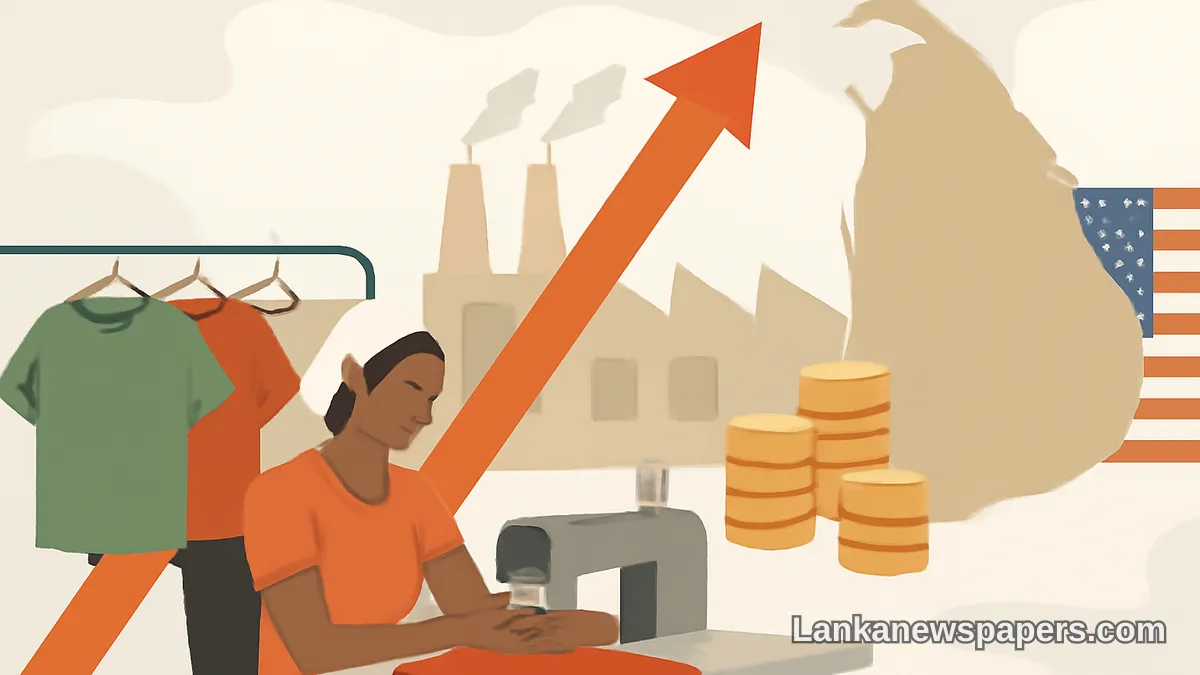
Industry Seeks to Strengthen Local Supply Chain
Sri Lanka's apparel and textile sector is setting its sights on boosting upstream investment as mounting trade pressures from the United States force the industry to rethink its long-term strategy and supply chain structure.
Why Upstream Investment Matters Now
Upstream investment refers to developing the earlier stages of the textile production process — including fabric manufacturing, yarn production, and raw material sourcing — rather than relying solely on the final garment assembly stage, which has traditionally been Sri Lanka's strength.
For years, Sri Lankan apparel manufacturers have depended heavily on imported fabrics and raw materials, leaving the industry exposed to external shocks and trade policy shifts. Industry leaders now argue that building a stronger domestic supply chain is no longer optional — it is a strategic necessity.
US Trade Pressure Accelerates the Push
The United States remains one of Sri Lanka's most critical export markets for garments, making any shift in American trade policy a matter of serious concern for the island's export economy. Rising pressure from Washington, including evolving tariff frameworks and tightening trade conditions, has added urgency to calls for greater self-sufficiency within the sector.
Industry stakeholders believe that by developing local fabric and material production capabilities, Sri Lankan manufacturers can reduce lead times, cut costs, and present a more competitive value proposition to international buyers who are increasingly scrutinising supply chain transparency and origin compliance.
A Strategic Turning Point for the Sector
Sri Lanka's apparel industry is one of the country's largest foreign exchange earners, employing hundreds of thousands of workers — the majority of them women. Any sustained disruption to export volumes could have wide-reaching economic and social consequences.
Analysts note that this moment presents both a challenge and an opportunity. Countries that have invested in integrated textile ecosystems — covering everything from fibre to finished garment — have historically proven more resilient during periods of global trade turbulence.
What Industry Stakeholders Are Calling For
- Government-backed incentives to attract foreign and local investment into fabric and yarn manufacturing
- Policy frameworks that encourage the establishment of textile industrial zones
- Stronger public-private partnerships to develop skilled labour for upstream production
- Trade negotiations that protect Sri Lanka's preferential access to key markets, particularly the United States
Industry voices have repeatedly stressed that without vertical integration, Sri Lanka risks remaining a finishing-stage player in a global market that increasingly rewards end-to-end manufacturing capability.
Looking Ahead
As global trade dynamics continue to shift — shaped by geopolitical tensions, nearshoring trends, and buyer demands for greater supply chain accountability — Sri Lanka's apparel sector faces a defining crossroads. The drive toward upstream investment signals a maturation in the industry's thinking, and stakeholders hope that decisive action now will secure the sector's competitiveness for decades to come.



💬 Join the Discussion 3
See what readers are saying — and add your view.
US pressure or not, goverment should have done this 10 years ago honestly
about time we invest locally, cant keep depending on imported fabric forever
but do we even have the capacity? takes years to build that infrastructure