Sri Lanka Bound by 2022 Agreements That Bar Isolated Subsidies for Ceylon Petroleum Corporation, Minister Warns
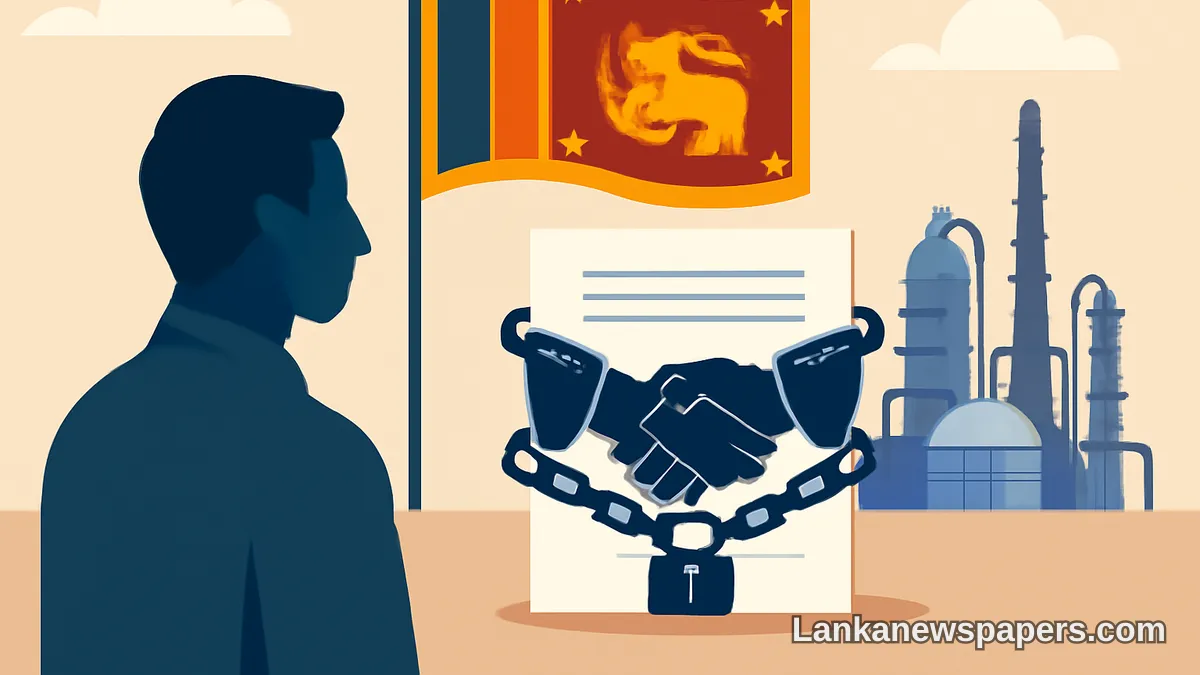
Sri Lanka is unable to provide subsidies exclusively to the Ceylon Petroleum Corporation (CPC) due to binding commitments made during the country's 2022 economic crisis agreements, a Cabinet Minister has warned, signalling that fuel pricing policy remains tightly constrained by international obligations.
2022 Agreements Continue to Shape Economic Policy
The Minister's remarks highlight how the reform frameworks Sri Lanka entered into at the height of its unprecedented economic meltdown in 2022 continue to dictate the boundaries of domestic fiscal policy. Those agreements, which were central to unlocking international financial assistance for the debt-stricken nation, included strict conditions governing how state-owned enterprises are managed and funded.
Among the key provisions are restrictions that prevent the government from selectively channelling subsidies to individual state entities such as the CPC without broader compliance with agreed reform benchmarks.
CPC Under Pressure Amid Pricing Concerns
The Ceylon Petroleum Corporation, which plays a critical role in supplying fuel across the island, has long been a focal point of Sri Lanka's subsidy debate. Prior to the 2022 crisis, heavy subsidisation of fuel through the CPC was widely cited as one of the contributing factors to the country's catastrophic foreign exchange shortfall.
Any return to a subsidy model for the corporation would therefore raise serious concerns among creditors and international partners monitoring Sri Lanka's economic recovery progress.
Balancing Reform Commitments and Public Need
The Minister's statement underscores the difficult balancing act facing the government as it attempts to manage the cost of living for ordinary Sri Lankans while honouring its international obligations. Fuel prices remain a politically sensitive issue, with consumers and businesses still feeling the strain of elevated costs following the crisis years.
Analysts note that any attempt to unilaterally subsidise the CPC outside the agreed reform framework could jeopardise Sri Lanka's standing with the International Monetary Fund and bilateral creditors, potentially threatening the broader debt restructuring process that the country depends upon for its economic stabilisation.
The government has yet to outline an alternative mechanism through which fuel affordability concerns might be addressed within the parameters set by the 2022 agreements.


💬 Join the Discussion 3
See what readers are saying — and add your view.
cant subsidize CPC but somehow goverment finds money for other things no
so we signed agreements that control our own fuel policy? who approved this
exactly, ppl acting surprised but this was always the deal with IMF