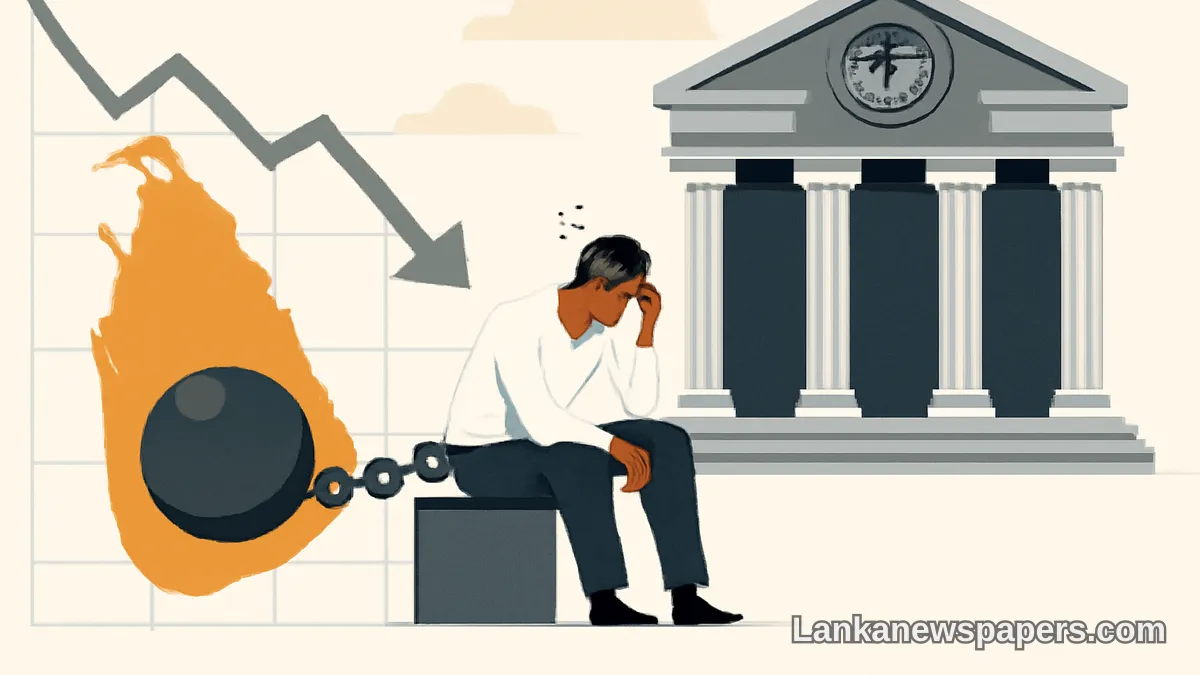
Sri Lanka's troubled economic history with the International Monetary Fund is once again in the spotlight, as the country finds itself contemplating what would be an unprecedented eighteenth engagement with the global lender — a sobering milestone that raises serious questions about the nation's ability to achieve lasting financial independence.
A Cycle That Will Not Break
Few countries in the world can claim as long and complicated a relationship with the IMF as Sri Lanka. Having turned to the Washington-based institution seventeen times over the decades, the island nation has become one of the most frequent recipients of IMF assistance globally. Each programme has come with conditions, austerity measures, and promises of structural reform — yet the cycle has continued to repeat itself with uncomfortable regularity.
The question now gripping economists, policymakers, and ordinary Sri Lankans alike is a stark one: after seventeen attempts, what makes an eighteenth any different?
The Weight of History
Sri Lanka's repeated returns to the IMF reflect deeper systemic challenges that successive governments have struggled to address decisively. These include:
- Chronic fiscal deficits driven by government expenditure exceeding revenue collection
- A heavily subsidised state sector that places persistent strain on public finances
- Vulnerability to external shocks, including fluctuating commodity prices and tourism downturns
- A narrow export base that limits the country's capacity to generate sufficient foreign exchange
Critics argue that without bold, sustained reforms tackling these root causes, any new IMF programme risks becoming yet another temporary fix rather than a genuine turning point.
Reform or Repeat?
Supporters of continued IMF engagement contend that the alternative — forgoing international financial assistance altogether — would expose Sri Lanka to far greater economic pain, particularly as the country continues its fragile recovery from the catastrophic 2022 economic crisis that brought widespread fuel shortages, soaring inflation, and social unrest.
The real failure is not in seeking IMF support, but in failing to implement the structural changes each programme demands, and then finding ourselves back at the same door.
That perspective is widely shared among independent economists, who stress that the IMF itself is not the problem — rather, it is the domestic political will required to see through difficult but necessary reforms that has historically proven elusive.
What a Potential 18th Programme Would Mean
Should Sri Lanka proceed with an eighteenth IMF arrangement, it would signal to international markets and creditors that the country remains committed to fiscal discipline and debt sustainability — a message that could support continued access to global capital markets and bolster investor confidence.
However, it would simultaneously invite scrutiny over why previous programmes did not produce the durable economic transformation needed to prevent yet another crisis. Opposition politicians and civil society groups are already questioning whether the government has done enough to reform state-owned enterprises, broaden the tax base, and reduce wasteful public spending.
A Nation at a Crossroads
For the millions of Sri Lankans who endured the hardships of the 2022 economic collapse — queuing for hours for fuel and cooking gas, facing medicine shortages, and watching their savings eroded by inflation — the prospect of another IMF programme is a complex one. It offers the reassurance of external oversight and financial support, but also serves as a painful reminder of how far the country still has to travel on the road to genuine economic resilience.
As policymakers weigh the next steps, the fundamental challenge remains unchanged: Sri Lanka must move beyond crisis management and build an economy strong enough that a nineteenth visit to the IMF becomes unthinkable.

💬 Join the Discussion 4
See what readers are saying — and add your view.
at this point IMF is basically our permanent finance minister no?
can someone explain why we keep going back? genuine question.
17 times means nothing changed. same cycle every time.
exactly. new goverment, same begging.