New Constitution Will Determine Fate of Executive Presidency and Provincial Councils, Says NPP
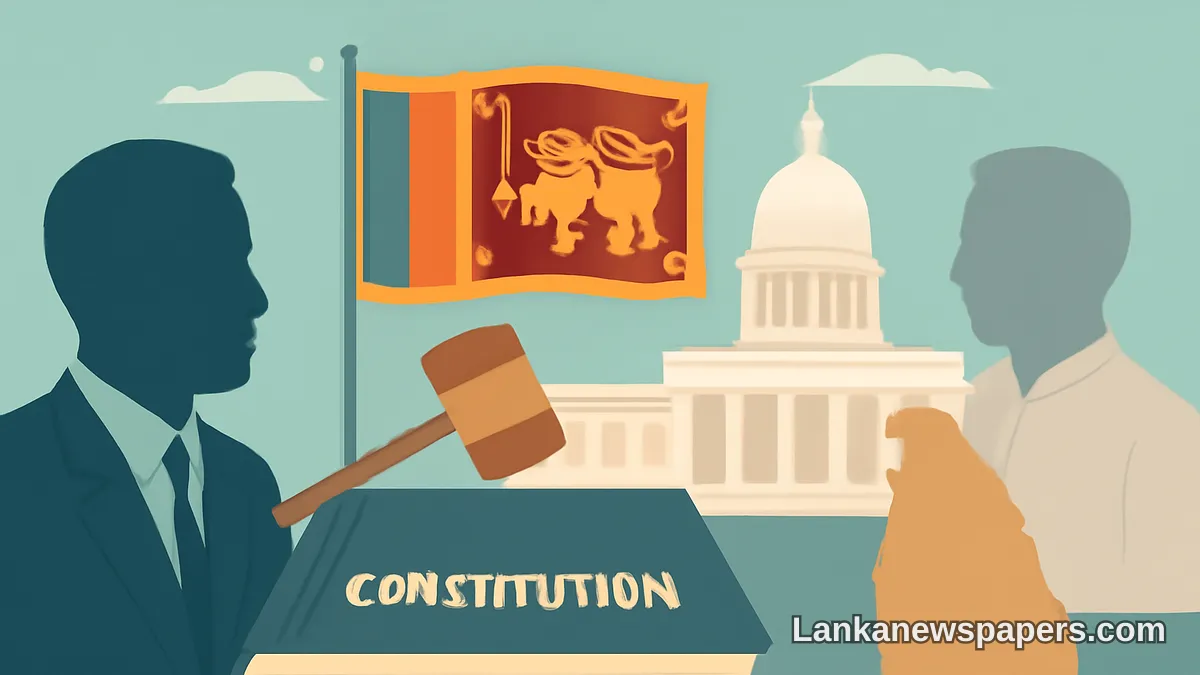
The National People's Power (NPP) government has signalled that its stance on two of Sri Lanka's most contentious constitutional questions — the abolition of the Executive Presidency and the future of the Provincial Council system — will be formally addressed through the drafting of a new Constitution.
NPP General Secretary Dr. Nihal Abeysinghe made this disclosure when receiving a visiting delegation, clarifying that these critical matters of governance and devolution would not be resolved through piecemeal policy decisions but rather through a comprehensive constitutional reform process.
Executive Presidency Under Scrutiny
The Executive Presidency has long been a polarising institution in Sri Lankan politics. Critics argue that the concentration of power in the hands of a single executive has historically led to abuse of authority and weakened democratic checks and balances. Successive governments have promised reform, yet the presidency has remained largely intact for decades.
Dr. Abeysinghe's remarks suggest that the NPP administration intends to use the new Constitution as the definitive vehicle for settling this long-standing debate once and for all, rather than pursuing ad hoc amendments.
Provincial Council System Also in the Balance
The Provincial Council system, established under the 13th Amendment to the Constitution in 1987, has equally been a subject of fierce political debate in Sri Lanka. Questions surrounding the extent of devolution of power to the provinces — particularly in the context of ethnic reconciliation — have remained unresolved for decades.
According to Dr. Abeysinghe, the government's position on whether to retain, reform, or restructure the Provincial Council system will also be clearly defined within the framework of the proposed new Constitution.
Constitutional Reform as a Cornerstone of NPP Governance
The NPP came to power on a platform that promised sweeping systemic change, and constitutional reform has been among the most closely watched of its pledges. By anchoring decisions on the Executive Presidency and Provincial Councils to a new Constitution, the government appears to be signalling a structured and legally grounded approach to reform.
Political observers note that the success of such an endeavour will depend heavily on building broad parliamentary consensus, as constitutional changes in Sri Lanka typically require a two-thirds majority in Parliament and, in some instances, a public referendum.
Further details on the timeline and scope of the constitutional drafting process are expected to be announced by the government in due course.

💬 Join the Discussion 0
Be the first to share your view on this story.