Hambantota International Port Spearheads National Workshop to Bolster Oil Spill Emergency Readiness
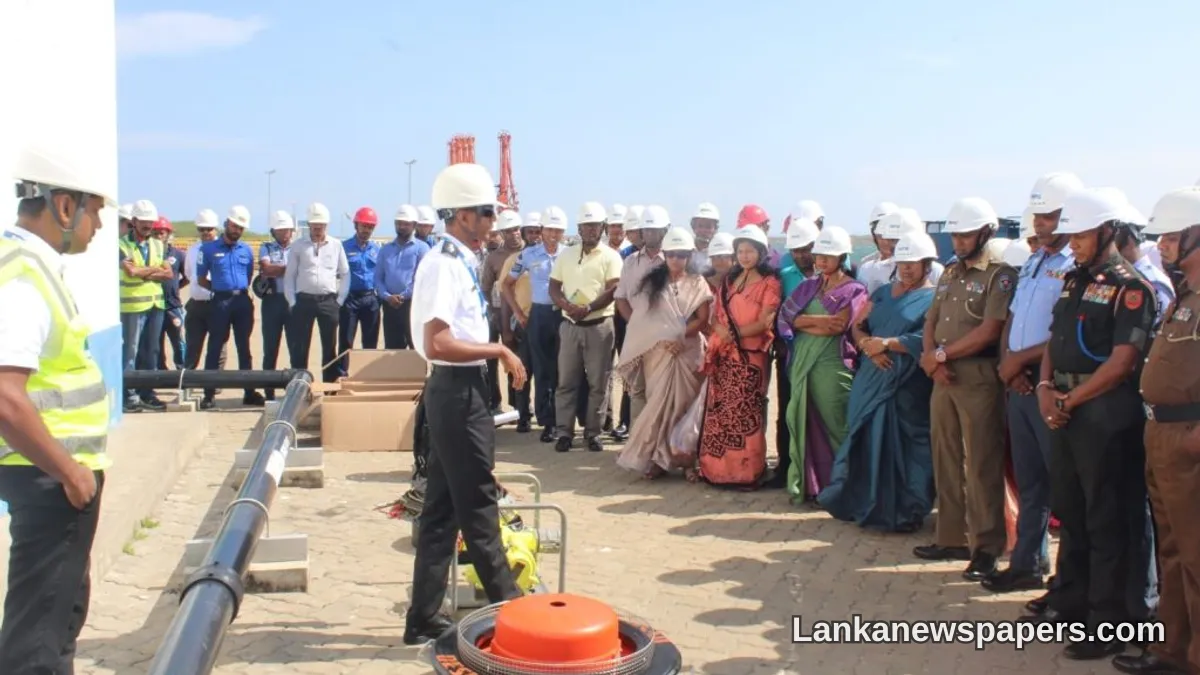
Hambantota International Port (HIP) recently took centre stage as the host of the National Oil Spill Contingency Plan Workshop, a significant initiative aimed at reinforcing Sri Lanka's capacity to respond swiftly and effectively to marine oil spill emergencies in the region.
Broad Participation from Public and Private Sectors
The workshop drew together nearly 100 representatives from a wide cross-section of key public and private sector organisations, reflecting the scale of collaboration considered necessary to address the complex challenges posed by oil spill incidents in Sri Lankan waters.
The event was conducted under the leadership of the Marine Environment Protection Authority (MEPA), the national body responsible for safeguarding Sri Lanka's marine ecosystems from pollution and environmental hazards.
Strengthening District-Level Preparedness
A central objective of the workshop was to enhance preparedness at the district level, equipping stakeholders with the knowledge, frameworks, and coordination mechanisms needed to mount an organised and timely response should a marine oil spill occur in or around the Hambantota district.
Oil spills pose a serious threat to Sri Lanka's coastal biodiversity, fishing communities, and tourism industry, making robust contingency planning a matter of both environmental and economic urgency.
HIP's Role in Maritime Safety
As one of Sri Lanka's most strategically positioned ports, Hambantota International Port plays a critical role in the country's maritime infrastructure. Its involvement in hosting this national-level exercise underscores the port's commitment not only to commercial operations but also to responsible environmental stewardship.
Stakeholders at the workshop engaged in discussions covering response protocols, inter-agency coordination, resource deployment, and communication strategies that would be activated in the event of a spill emergency.
The initiative is widely seen as a positive step toward building a more resilient and coordinated national framework for marine environmental protection, with Hambantota positioned as a key hub in that broader national strategy.



💬 Join the Discussion 1
See what readers are saying — and add your view.
Better late than never. Hambantota sea always had this risk with all the tankers passing.