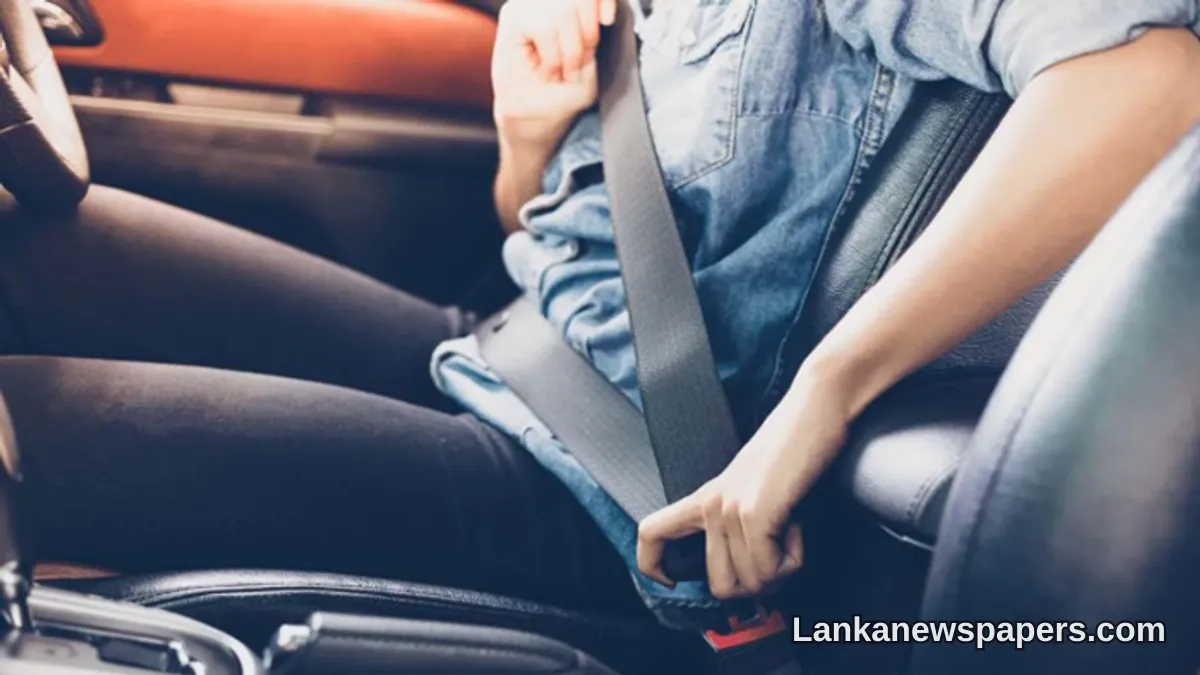
New Road Safety Measure Takes Effect on Expressways
The Ministry of Transport and Highways has introduced a significant road safety measure, making it compulsory for all passengers travelling on expressways to wear seat belts. The new regulation came into force at midnight, marking a firm step by authorities to reduce traffic-related injuries and fatalities on the island's high-speed road network.
Who Is Affected?
The rule applies to all individuals travelling in vehicles on expressways, meaning that both drivers and passengers in all seats are now legally required to buckle up before using these roads. Previously, enforcement of seat belt use tended to focus primarily on drivers and front-seat occupants, making this an important expansion of existing road safety obligations.
Why the Change?
Expressways, which allow vehicles to travel at considerably higher speeds than ordinary roads, carry a significantly elevated risk of serious injury in the event of an accident. Authorities have long recognised that unbelted passengers face far greater danger during collisions, and this new enforcement policy reflects growing concern over road safety standards in Sri Lanka.
- The regulation is applicable to all expressways under the Ministry's jurisdiction.
- All passengers, regardless of seating position, must comply with the requirement.
- Enforcement began at midnight following the official announcement.
A Step Towards Safer Roads
Road safety advocates have welcomed the move, noting that seat belt use is one of the most proven and cost-effective means of saving lives in traffic accidents. Sri Lanka has historically struggled with high rates of road fatalities, and measures such as this are seen as critical in addressing that ongoing challenge.
Motorists and passengers are urged to comply fully with the new regulation to avoid penalties and, more importantly, to protect their own lives and the lives of those travelling with them.


💬 Join the Discussion 2
See what readers are saying — and add your view.
Finally a good rule. should have done this years ago.
Yes but who is going to enforce it properly though