Ranil Hails JR Jayewardene's 17-Year Transformation of Sri Lanka as a Political Revolution
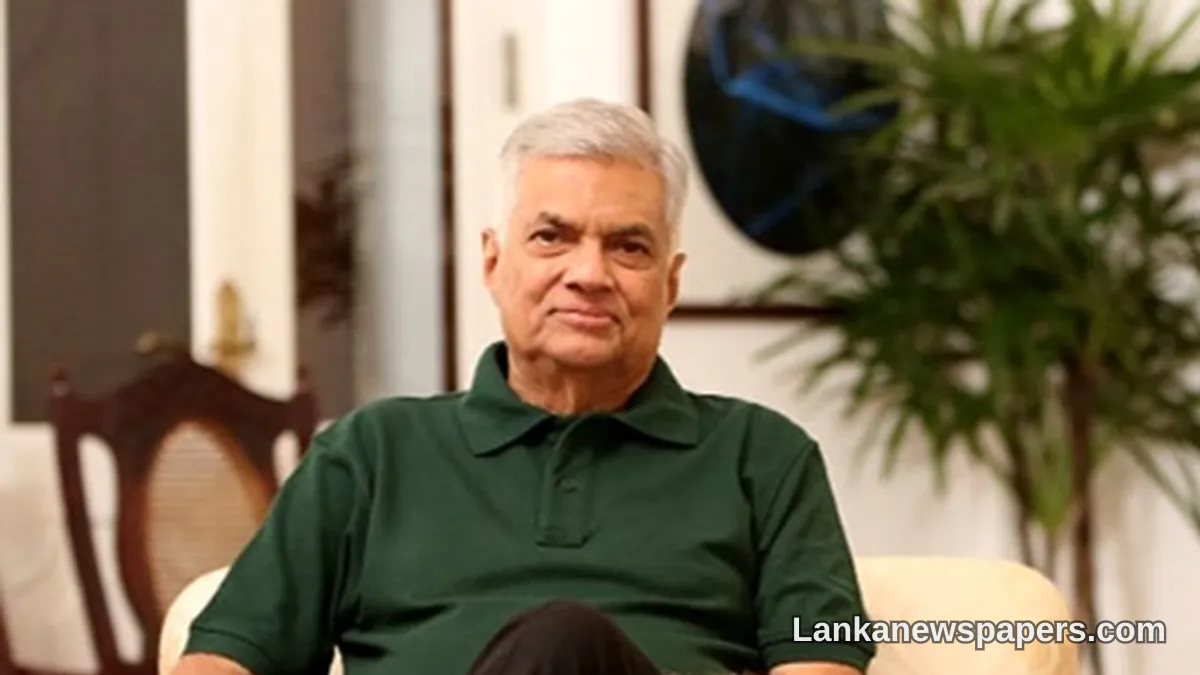
Former President and United National Party (UNP) Leader Ranil Wickremesinghe has paid tribute to Sri Lanka's first Executive President, J. R. Jayewardene, describing the 17-year period under his leadership as a landmark revolution that fundamentally reshaped the nation.
A Legacy Defined by Transformation
Wickremesinghe made the remarks while reflecting on the political and economic legacy of Jayewardene, who served as the country's leader during one of its most consequential periods of modern history. The former president credited Jayewardene with steering Sri Lanka through a series of sweeping reforms that left a lasting imprint on the country's governance, economy, and constitutional framework.
Jayewardene, who led Sri Lanka from 1977 to 1989, introduced the executive presidential system through a new constitution in 1978, a move that dramatically centralised political power and redefined the structure of Sri Lankan governance for decades to come.
Economic Opening and Institutional Change
Among the most significant changes attributed to Jayewardene's tenure was the liberalisation of Sri Lanka's economy, which marked a decisive departure from the socialist-leaning policies that had dominated the island's post-independence economic direction. His administration opened Sri Lanka to foreign investment, established free trade zones, and pursued development projects that transformed the country's infrastructure landscape.
Wickremesinghe, who has long been regarded as a political heir to Jayewardene's vision within the UNP, described these changes as nothing short of revolutionary in their scope and ambition.
Honouring a Founding Figure
As the incumbent leader of the UNP — the party Jayewardene once led to a historic parliamentary victory in 1977 — Wickremesinghe's tribute underscores the enduring influence the former leader continues to hold within Sri Lanka's centre-right political tradition.
Jayewardene remains a deeply complex figure in Sri Lankan political memory, celebrated by some for modernising the state and criticised by others for decisions made during the ethnic conflict that escalated during his presidency.
Nevertheless, Wickremesinghe's comments reflect a continued effort within the UNP to reclaim and reassert the party's historical identity at a time when it faces significant political challenges on the national stage.


💬 Join the Discussion 0
Be the first to share your view on this story.