President Says Sri Lanka Must Capitalise on Economic Gains Secured Through IMF Programme
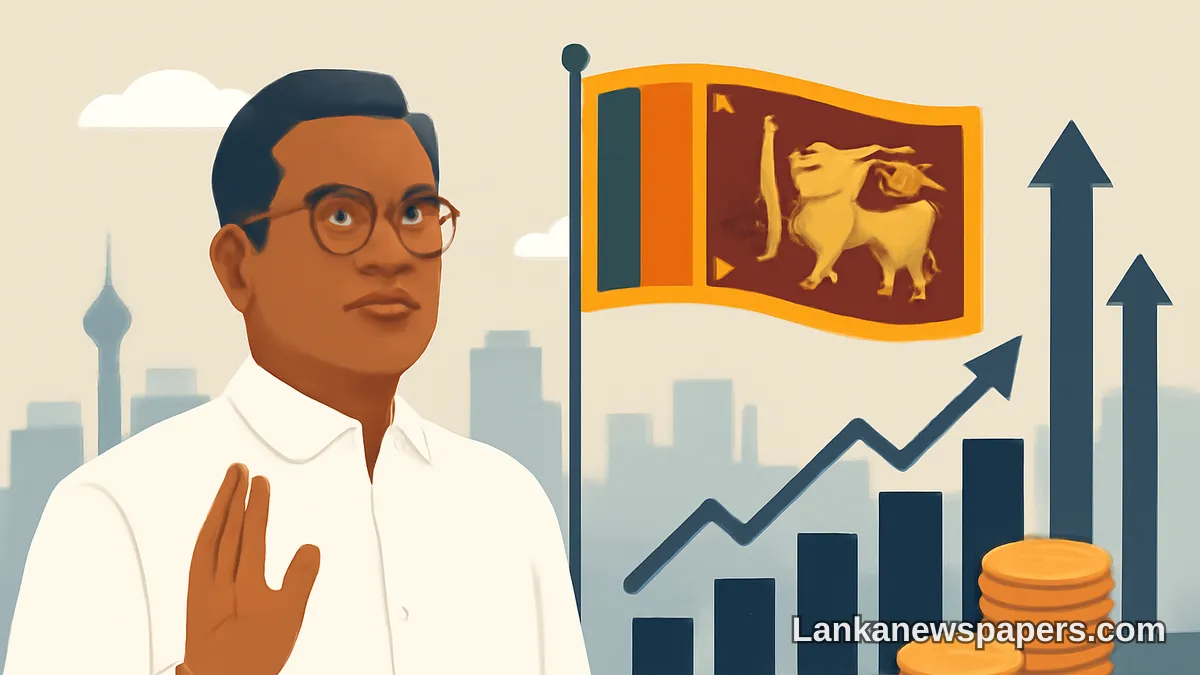
President Anura Kumara Dissanayake has stated that Sri Lanka is determined to consolidate the economic stability the country has achieved through its ongoing programme with the International Monetary Fund, signalling the government's commitment to sustaining the hard-won recovery momentum.
Building on a Fragile but Promising Recovery
Sri Lanka's economy endured one of its most catastrophic downturns in recent memory, with the 2022 foreign exchange crisis leaving the island nation unable to pay for essential imports including fuel, medicine, and food. The subsequent agreement with the IMF provided a critical lifeline, unlocking billions in financial support and restoring a degree of confidence among international creditors and investors.
Now, with early signs of stabilisation beginning to take hold, the President has made clear that the government sees the IMF arrangement not merely as an emergency rescue mechanism, but as a foundation upon which a more resilient and sustainable economy can be constructed.
Stability Must Translate Into Lasting Reform
The President's remarks reflect a broader policy intent to push beyond crisis management and into structural reform. Key areas expected to remain in focus include fiscal discipline, revenue administration, state-owned enterprise restructuring, and improvements to the business environment that could attract sustained foreign direct investment.
Sri Lanka has already completed several IMF review cycles, with each successful review unlocking further tranches of financial assistance. Authorities have pointed to improved foreign reserves, a stabilising exchange rate, and gradually easing inflation as indicators that the programme is yielding results.
Challenges Remain on the Road Ahead
Despite the cautious optimism, economists and civil society groups have continued to urge the government to ensure that the benefits of economic recovery are felt by ordinary Sri Lankans, many of whom are still grappling with elevated costs of living and reduced purchasing power.
- Inflation, while easing, continues to burden low and middle-income households
- Debt restructuring negotiations with bilateral and commercial creditors remain ongoing
- Unemployment and underemployment persist as structural concerns
- Public services in health and education require sustained investment
The government faces the delicate task of maintaining the fiscal consolidation demanded by the IMF while also addressing mounting public pressure for social relief and economic inclusivity.
Eyes on Long-Term Credibility
Sri Lanka's ability to honour its IMF commitments while managing domestic expectations will be a defining test of the current administration's economic stewardship.
International observers and rating agencies continue to monitor Colombo's progress closely. A sustained track record of policy consistency is widely regarded as essential to restoring Sri Lanka's access to international capital markets on favourable terms — a milestone the country will need to achieve as it looks to finance its long-term development ambitions.
With the President publicly reaffirming the administration's commitment to the IMF framework, the government appears resolved to stay the course, even as the political and social pressures of recovery-era governance continue to intensify.

💬 Join the Discussion 3
See what readers are saying — and add your view.
at least economy is stabilising, goverment must not mess it up now
gains means nothing if cost of living still high for ordinary ppl
exactly, who is feeling these gains? not us