Can You Spot a Fake? The Growing Threat of AI-Generated Video Deepfakes in Political Discourse
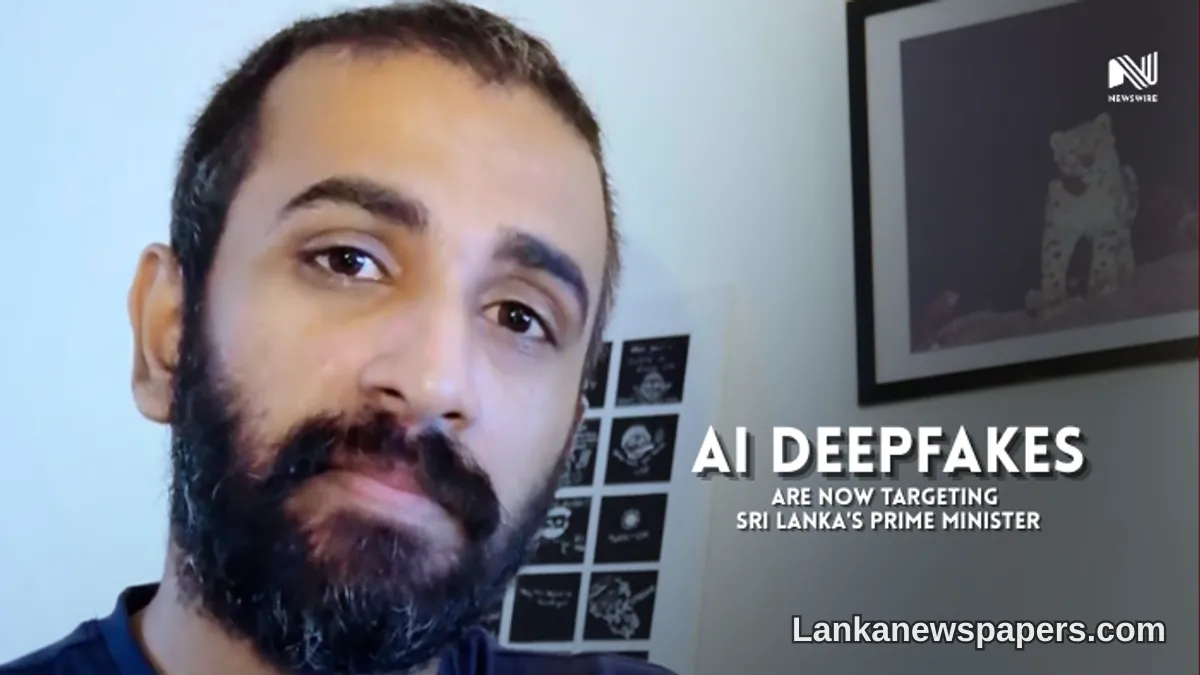
The Rise of Deepfake Technology and Its Danger to Democracy
In an era where artificial intelligence can convincingly replicate the face and voice of a world leader, a troubling question is emerging across democracies worldwide — and Sri Lanka is no exception: would you actually be able to tell if a video of your Prime Minister was entirely fabricated?
What Are Deepfakes and How Do They Work?
Deepfakes are hyper-realistic videos, images, or audio recordings generated using advanced artificial intelligence tools. By feeding thousands of real images and video clips of a real person into a machine learning model, AI systems can produce convincing footage of that individual saying or doing things they never actually said or did.
The technology, once confined to well-resourced research laboratories, is now freely available to almost anyone with a smartphone and an internet connection. The barrier to creating a convincing fake has never been lower — and experts warn the consequences could be severe.
The Political Stakes Are Extraordinarily High
Politicians are among the most frequently targeted individuals in deepfake content globally. A fabricated video of a head of government announcing a controversial policy, making an inflammatory statement, or appearing in a compromising situation could spread across social media platforms within minutes — long before fact-checkers or official spokespeople have a chance to respond.
For a country like Sri Lanka, which has experienced significant political turbulence in recent years, the potential for such content to inflame public sentiment, trigger unrest, or manipulate electoral outcomes is a deeply serious concern.
Misinformation does not need to be believed by everyone to cause damage — it only needs to create enough doubt to destabilise public trust.
How to Spot a Deepfake Video
While deepfake technology is advancing rapidly, there are still telltale signs that a video may not be authentic. Media literacy experts suggest watching closely for the following warning signs:
- Unnatural blinking patterns or eyes that appear glassy and expressionless
- Blurring or flickering around the edges of the face, particularly near the hairline and ears
- Lip movements that do not perfectly synchronise with the spoken words
- Inconsistent lighting or shadows on the face compared to the surrounding environment
- A strange, waxy texture to the skin that looks unnaturally smooth
- Audio that sounds slightly robotic, flat, or inconsistent in tone
Verification: Your First Line of Defence
Before sharing any video of a public figure — particularly one containing startling or controversial content — audiences are urged to pause and verify. Check whether the footage has been reported by credible, established news outlets. Look for an official statement from the relevant government office. Use reverse image search tools and dedicated deepfake detection platforms where possible.
It is also worth remembering that manipulated media is frequently designed to trigger an emotional reaction. If a video makes you feel an intense surge of outrage, shock, or disbelief, that itself should serve as a prompt to verify before you share.
A Call for Greater Digital Awareness in Sri Lanka
Sri Lanka's social media landscape is highly active, with millions of citizens consuming news and political content primarily through platforms such as Facebook, WhatsApp, YouTube, and TikTok. This makes the country particularly vulnerable to the rapid spread of synthetic media.
Civil society organisations, media institutions, and government bodies alike have a responsibility to invest in public digital literacy programmes that equip citizens with the critical thinking tools necessary to navigate an increasingly complex information environment.
The question of whether you would recognise a fake video of your Prime Minister is no longer a hypothetical one. It is a challenge that modern democracies — including Sri Lanka — must confront with urgency, awareness, and a firm commitment to truth.

💬 Join the Discussion 0
Be the first to share your view on this story.