Middle East Flight Disruptions Take Toll on Sri Lanka's European Tourist Arrivals
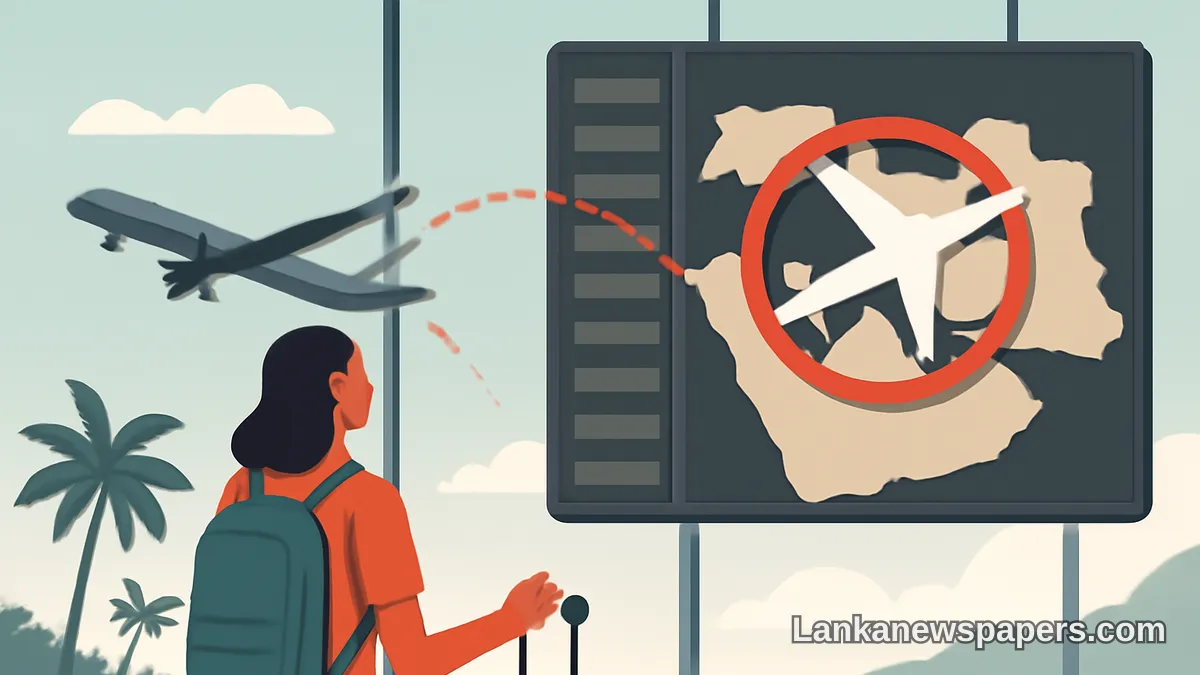
European Visitor Numbers Drop as Regional Air Travel Faces Turbulence
Sri Lanka's tourism sector is experiencing a notable decline in arrivals from European markets, with ongoing flight disruptions across the Middle East identified as a key contributing factor. The turbulence in regional air travel has complicated transit routes that many European travellers rely upon when journeying to the island nation.
Transit Routes Under Pressure
A significant proportion of European tourists travelling to Sri Lanka make use of connecting flights through major Middle Eastern hub airports, including those in the United Arab Emirates, Qatar, and other Gulf states. Disruptions to air traffic in that region have made these popular transit routes less reliable, discouraging potential visitors and forcing airlines to adjust schedules and capacities.
Industry stakeholders have noted that the situation is directly impacting booking confidence among European travellers, many of whom are opting for alternative destinations that offer more straightforward routing options.
A Concern for an Industry Still Recovering
Sri Lanka's tourism industry, which has been working steadily to rebuild following a series of economic and social setbacks in recent years, can ill afford a sustained dip in arrivals from Europe — traditionally one of its strongest and most lucrative source markets.
European visitors typically represent high-spending tourists who contribute significantly to hotel revenues, cultural tourism, and wildlife and eco-tourism segments — all of which are central to Sri Lanka's broader tourism recovery strategy.
Calls for Proactive Response
Tourism authorities and industry representatives are expected to assess the full impact of the disruptions and explore measures to mitigate the fallout. These may include working with airline partners to identify alternative routing solutions, as well as ramping up promotional efforts in markets where access remains less affected.
Sri Lanka has set ambitious targets for international tourist arrivals in the coming years, making the resolution of transit-related barriers a matter of considerable urgency for both the government and private sector stakeholders.
The Middle East serves as one of the world's most critical aviation crossroads, and any sustained disruption there inevitably ripples outward to destinations like Sri Lanka that depend heavily on those connecting corridors.
As the situation in the Middle East continues to evolve, Sri Lankan tourism officials will be closely monitoring its impact on forward bookings and overall arrival projections for the remainder of the year.


💬 Join the Discussion 0
Be the first to share your view on this story.