A Shifting Face of Extremism
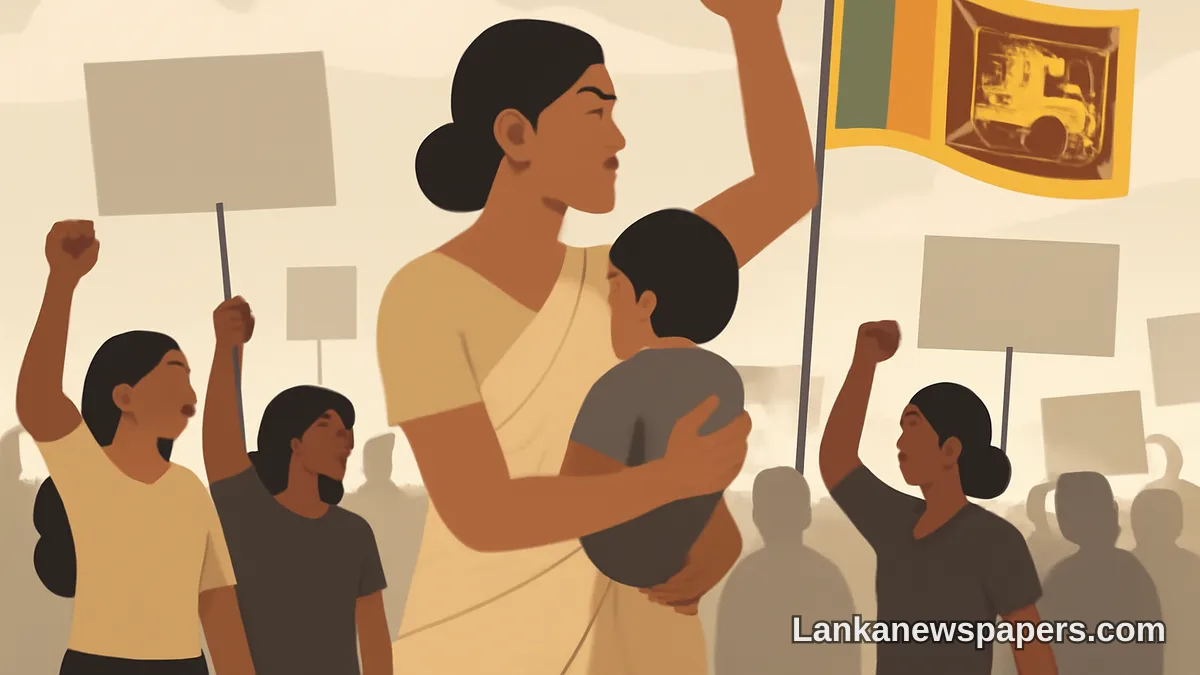
A new and concerning development is taking shape within Sri Lanka's far-right political landscape, as a group identifying itself as the "Mothers Movement" has begun drawing attention from researchers and analysts who study organised hate and extremism in South Asia.
According to findings published by the Center for the Study of Organized Hate (CSOH), the Mothers Movement represents what experts are describing as a significant new chapter in the evolution of Sri Lanka's far-right, one that uses the language of motherhood, family, and protection to advance an ideology rooted in ethno-nationalist and exclusionary thinking.
A Softer Image, a Harder Agenda
What makes the movement particularly notable, researchers say, is its deliberate use of maternal imagery and the framing of women as protectors of the nation and its dominant culture. This approach allows the group to project a more sympathetic and socially acceptable public face while promoting views that align closely with established far-right narratives in the country.
This strategy is not unique to Sri Lanka. Globally, far-right movements have increasingly recruited women and used feminine or family-centred branding to soften their messaging and expand their appeal beyond traditional demographics.
Context Within Sri Lanka's Extremist History
Sri Lanka has a documented history of organised far-right and ultranationalist activity, much of it rooted in Sinhalese Buddhist supremacist ideology. Groups such as Bodu Bala Sena rose to international notoriety in the years following the end of the civil war in 2009, particularly in the context of anti-Muslim violence and hate speech campaigns.
The emergence of the Mothers Movement suggests that such ideological currents are adapting and finding new vehicles for expression, rather than fading from the public sphere.
Researchers Sound the Alarm
The CSOH analysis urges policymakers, civil society organisations, and media institutions in Sri Lanka to take the movement seriously and to critically examine the narratives it promotes, even when those narratives are wrapped in the seemingly benign language of maternal concern and cultural preservation.
- The movement uses motherhood and family protection as central themes in its public messaging.
- Its ideology is assessed as aligning with broader far-right and ethno-nationalist currents in Sri Lanka.
- Researchers warn the group represents a strategic evolution in how extremist ideas are being packaged and communicated.
- The CSOH has called for greater scrutiny from civil society and media outlets.
A Moment for Vigilance
As Sri Lanka continues its fragile recovery from years of economic crisis and political instability, analysts warn that conditions of social stress often create fertile ground for extremist movements to gain traction. The Mothers Movement, with its accessible and emotionally resonant framing, is being watched closely by those who monitor hate and radicalisation in the region.
Researchers warn that when extremist ideology is wrapped in the language of maternal love and cultural duty, it can be far more difficult for the public to identify and resist.
The full analysis by the Center for the Study of Organized Hate provides a detailed examination of the movement's origins, tactics, and ideological connections, and stands as a timely reminder that organised hate does not always announce itself in obvious terms.


💬 Join the Discussion 4
See what readers are saying — and add your view.
cant believe women are being used to spread this kind of agenda
who is funding this CSOH organisation? goverment should investigate them too
these mothers movement ppl are just using religion to push hate, nothing new
exactly, same old extremism with a new face