Sri Lanka Closes Core Zone of Drought-Stricken National Park to Tourists Amid El Niño Threat
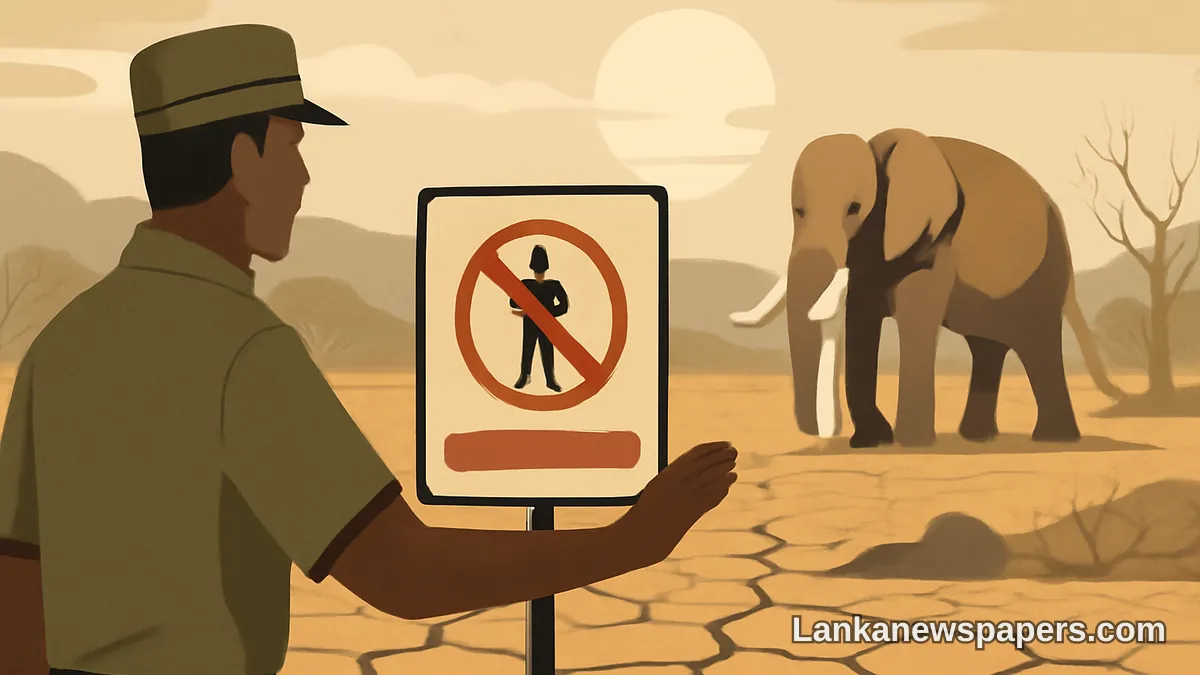
Authorities Act to Protect Wildlife as Water Sources Dry Up
Sri Lanka has moved to restrict tourist access to the central areas of one of its most celebrated national parks, as prolonged drought conditions and the looming threat of the El Niño weather phenomenon place the island's wildlife under severe stress.
Park authorities have barred visitors from entering the heart of the drought-affected reserve, citing the urgent need to minimise human disturbance at a time when animals are already struggling to find adequate food and water. The decision reflects growing concern among conservationists and wildlife officials about the compounding pressures facing Sri Lanka's natural ecosystems.
Dwindling Water Sources Push Animals to the Brink
The dry spell has significantly reduced water availability within the park, forcing wildlife to congregate around the few remaining watering holes. Increased tourist activity during such a critical period risks further disturbing animals at their most vulnerable, potentially leading to dangerous encounters and additional stress on already weakened populations.
El Niño, the cyclical climate pattern known to bring hotter and drier conditions to South Asia, is expected to intensify the situation further. Meteorologists and environmental experts warn that its anticipated arrival could prolong the drought and push both flora and fauna into deeper crisis.
Conservation Takes Priority Over Tourism Revenue
The move represents a firm prioritisation of ecological preservation over the considerable tourism revenue that Sri Lanka's national parks generate each year. Wildlife officials have made clear that the long-term health of the park's biodiversity cannot be sacrificed for short-term economic gain.
- Tourist access to the core zone of the park has been formally suspended.
- Peripheral and buffer zones may remain partially accessible, subject to conditions.
- Rangers and conservation staff continue to monitor animal movements and water levels.
- Authorities are exploring emergency measures to supplement water sources for wildlife.
A Warning Signal for Sri Lanka's Environment
Environmental advocates have welcomed the restriction but stress that it must be accompanied by broader, sustained action on climate adaptation and habitat protection. They argue that Sri Lanka's rich biodiversity — which draws thousands of international visitors annually — faces an existential threat if climate change continues to accelerate without meaningful intervention.
Wildlife managers stress that the temporary inconvenience to tourists is a small price to pay for ensuring the survival of species that took centuries to establish themselves within these protected landscapes.
Visitors planning trips to the affected park are advised to contact the Department of Wildlife Conservation for the latest updates on access restrictions before making travel arrangements.



💬 Join the Discussion 4
See what readers are saying — and add your view.
which park is this? Yala or Wilpattu?
El Nino coming and we still have ppl burning forests, sort out priorities
Good decision actually, animals need space during drought, not tourist jeeps
yes but the local guides lost income no? goverment should think about that too