Sri Lanka Eyes Major Refinery Expansion, Seeks Joint Venture Partner to Double Processing Capacity
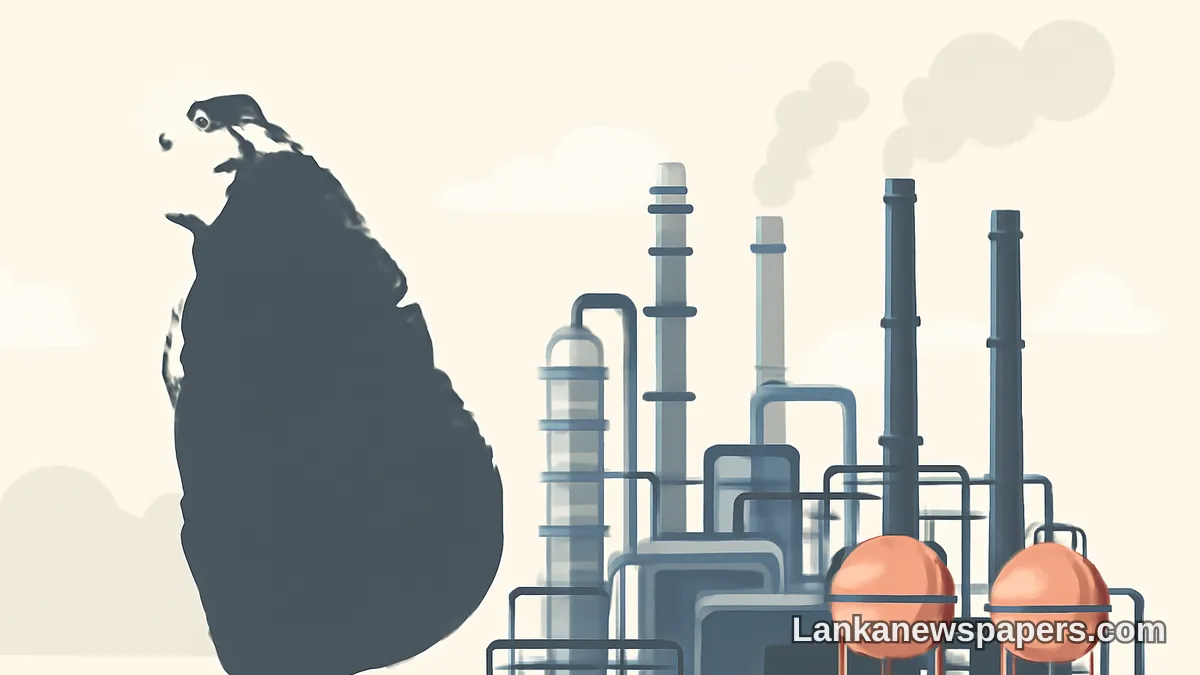
Sri Lanka is moving forward with an ambitious plan to double its petroleum refining capacity within the next four years, as the country actively seeks a joint venture partner to support the large-scale energy sector expansion.
Scaling Up Domestic Refining
The initiative reflects the government's broader push to strengthen Sri Lanka's energy infrastructure and reduce its dependence on imported refined fuel products. By increasing domestic refining output, authorities hope to improve energy security and generate greater economic value from petroleum processing within the country.
Officials are currently in discussions to identify a suitable joint venture partner, with the partnership expected to bring in capital investment, technical expertise, and operational capacity necessary to carry out the expansion within the targeted timeframe.
Strategic Importance for the Economy
For a nation that has experienced the devastating effects of a foreign exchange crisis in recent years, reducing the cost and volume of fuel imports carries significant economic weight. Expanding local refining capacity could help ease pressure on Sri Lanka's foreign reserves by processing crude oil domestically rather than purchasing more expensive refined petroleum products from abroad.
The Ceylon Petroleum Corporation, which operates the country's existing refinery in Sapugaskanda, has long been identified as a key institution in need of modernisation and capacity enhancement to meet growing national demand.
Attracting International Investment
The search for a joint venture partner signals that Sri Lanka is looking beyond purely state-driven solutions, opening the door to international energy companies with the resources and know-how to accelerate the expansion programme. The government's willingness to share ownership and operational responsibilities through a joint venture model is seen as a pragmatic step toward achieving its energy goals without placing the full financial burden on the state.
Energy sector analysts note that if successfully executed, doubling refining capacity could position Sri Lanka as a modest but meaningful regional player in petroleum processing, with potential benefits extending to export revenues and job creation.
The plan is expected to take shape further in the coming months as partnership negotiations progress and financing arrangements are finalised.



💬 Join the Discussion 1
See what readers are saying — and add your view.
finally some good news, but who is the JV partner? China again?