Dissanayake Pushes for Digital Revolution: 80% of Government Services to Be Accessible From Home
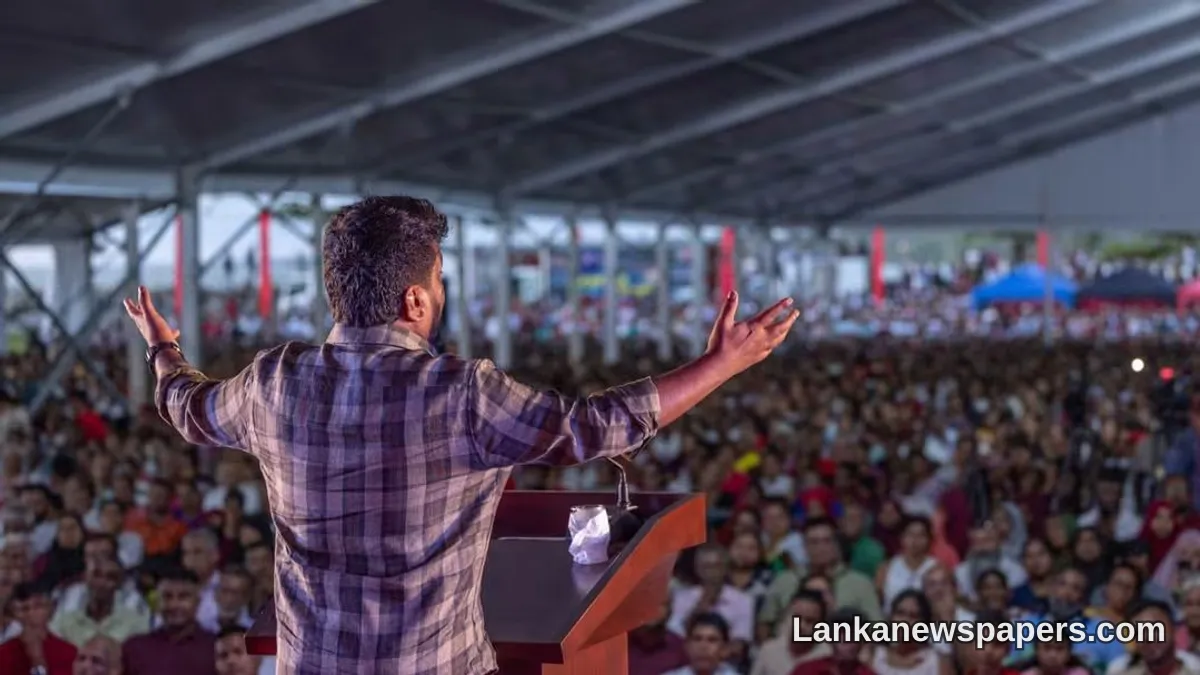
President Sets Bold Target for Digital Governance
President Anura Kumara Dissanayake has unveiled an ambitious vision to transform how Sri Lankan citizens interact with their government, announcing plans to make 80 percent of public services accessible from home as part of a sweeping digital modernisation drive.
Reducing the Burden on Ordinary Citizens
For decades, Sri Lankans have had to endure long queues, repeated office visits, and mountains of paperwork simply to access basic government services. The President's new initiative aims to consign that frustrating reality to history, placing essential services at the fingertips of citizens through digital platforms.
The proposal signals a significant shift in how the government intends to deliver public services, reducing the need for in-person visits to state institutions and cutting down on bureaucratic delays that have long plagued day-to-day administration.
Part of a Broader Digital Transformation Agenda
The announcement forms part of a wider set of measures outlined by President Dissanayake to accelerate Sri Lanka's digital transformation. The government has indicated that modernising public service delivery is a key priority, with technology expected to play a central role in streamlining processes across multiple state sectors.
- Making up to 80 percent of government services available remotely
- Reducing unnecessary citizen visits to government offices
- Accelerating the adoption of digital platforms across state institutions
What This Could Mean for Sri Lankans
If successfully implemented, the initiative could dramatically improve the quality of life for millions of citizens, particularly those living in rural areas who must travel long distances to reach government offices. Small business owners, working families, and the elderly stand to benefit significantly from the ability to complete official transactions online.
The goal is to build a government that works for the people — one that is efficient, transparent, and accessible to all Sri Lankans regardless of where they live.
Challenges Ahead
While the vision is widely welcomed, analysts and civil society groups have pointed out that achieving the 80 percent target will require substantial investment in digital infrastructure, improved internet connectivity across the island, and comprehensive training programmes for both government staff and citizens. Digital literacy, particularly among older and rural populations, remains a critical challenge that will need to be addressed for the initiative to deliver on its promise.
The government has yet to release a detailed implementation roadmap or timeline, and many will be watching closely to see how swiftly concrete steps are taken to turn this ambitious pledge into reality.



💬 Join the Discussion 3
See what readers are saying — and add your view.
lets see how many years this actually takes to happen
sounds good but first fix the internet in rural areas no?
exactly, my village still getting 2G bro