Corruption and Systemic Failures Cripple Sri Lanka's Civil Aviation Sector
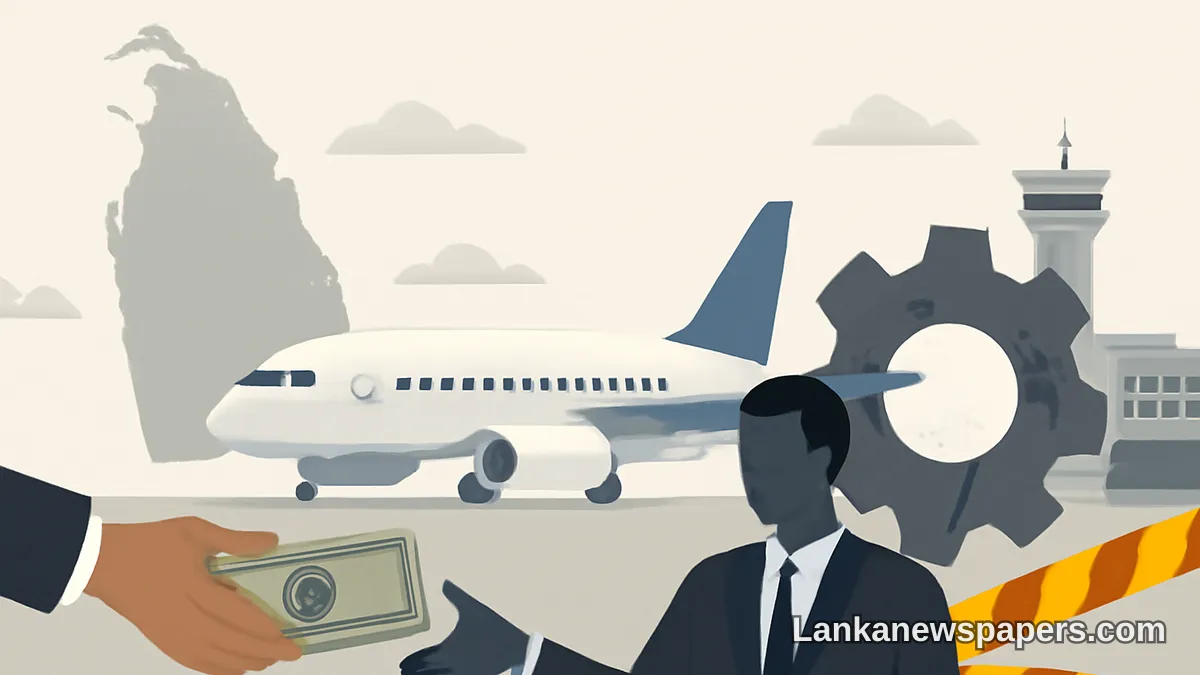
Aviation Authority Under Scrutiny
Sri Lanka's civil aviation sector is facing a deepening crisis, plagued by widespread corruption and systemic failures that have raised serious concerns about the country's ability to manage and develop its air transport infrastructure effectively.
A Sector in Turmoil
Reports indicate that entrenched corruption within civil aviation institutions has hampered operational efficiency, undermined regulatory integrity, and eroded public and investor confidence in one of the island nation's most strategically important industries. The issues are described as systemic rather than isolated, suggesting that the problems are deeply rooted within the structures governing Sri Lanka's aviation operations.
Aviation experts and industry observers have long warned that without meaningful institutional reform, Sri Lanka risks falling further behind regional competitors in attracting airlines, expanding air connectivity, and developing its airports as viable commercial hubs.
Impact on Connectivity and Growth
The crisis carries significant implications for Sri Lanka's broader economic ambitions. Civil aviation plays a critical role in supporting tourism, trade, and foreign investment — three pillars that Colombo has identified as essential to the country's ongoing economic recovery following its historic financial collapse in 2022.
- Corruption within regulatory bodies undermines transparent decision-making
- Systemic inefficiencies delay infrastructure development and modernisation
- Weak governance discourages international airline partnerships and investment
- Passengers and businesses bear the cost of a dysfunctional system
Calls for Accountability
Observers and civil society voices have called on the government to undertake urgent and transparent reforms within the Civil Aviation Authority of Sri Lanka and related bodies. There is growing pressure on authorities to investigate allegations of misconduct, hold responsible parties accountable, and introduce independent oversight mechanisms to prevent further abuse.
Meaningful reform of Sri Lanka's civil aviation sector cannot be delayed any further — the economic and reputational costs of inaction are simply too high.
Government Response Awaited
As of now, the government has yet to make a comprehensive public statement addressing the full scope of the allegations. Citizens, industry stakeholders, and international partners will be watching closely to see whether the administration of President Anura Kumara Dissanayake takes decisive action to clean up a sector that is vital to Sri Lanka's future prosperity.
With the country still navigating its path to economic stabilisation, restoring credibility and good governance in civil aviation is widely seen as both an urgent necessity and a test of the new government's broader reform commitments.



💬 Join the Discussion 0
Be the first to share your view on this story.