CLA President Flags Four Key Concerns Over Sri Lanka's 22nd Amendment Constitutional Hearing
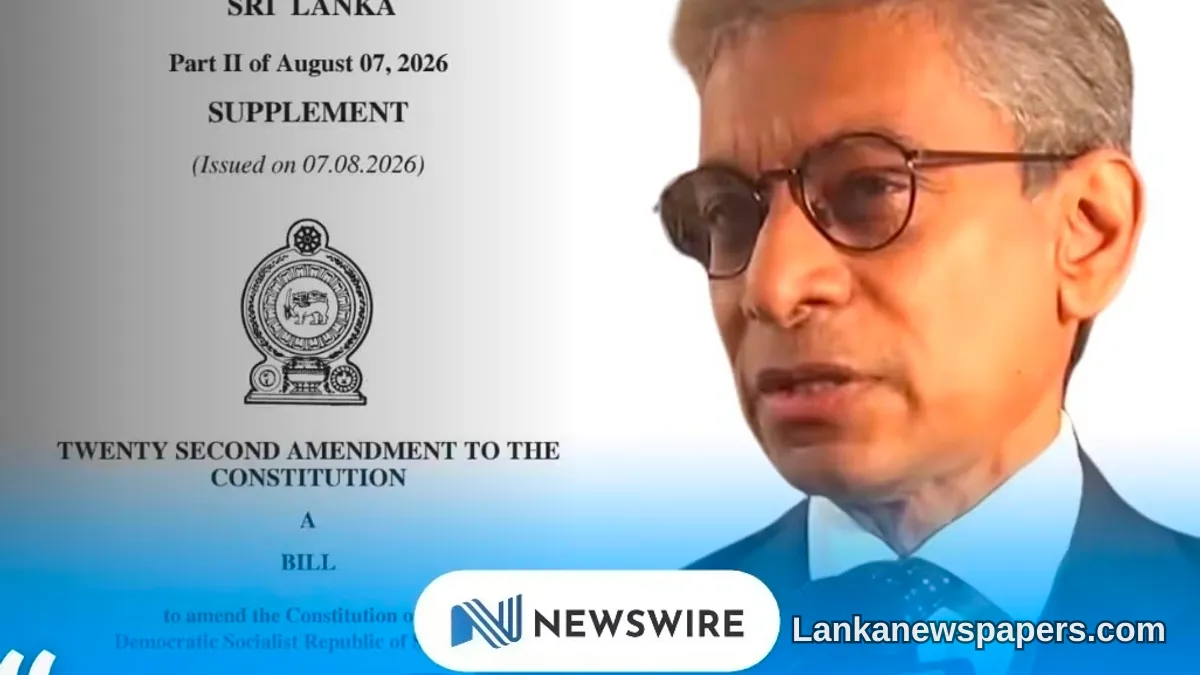
Commonwealth Lawyers Association (CLA) President Steven Thiru has released a formal report raising serious concerns about the procedural conduct of hearings related to Sri Lanka's 22nd Amendment to the Constitution, pointing to potential shortcomings in transparency, fairness, and public confidence in the judicial process.
Four Core Procedural Issues Identified
The report, released by Thiru in his capacity as CLA President, outlines four key procedural concerns surrounding the manner in which the 22nd Amendment hearings were conducted. While the full details of each concern are elaborated within the report, the overarching themes centre on procedural fairness, institutional transparency, and the need to maintain public trust in Sri Lanka's constitutional and legal institutions.
The CLA, a respected international body representing lawyers across Commonwealth nations, has historically monitored legal proceedings in member states where the rule of law and judicial independence are considered to be at stake.
Significance for Sri Lanka's Legal Landscape
The release of this report carries considerable weight for Sri Lanka, a country that has faced ongoing scrutiny over its adherence to democratic norms and the independence of its judiciary. Constitutional amendments of this nature typically attract close attention from both domestic legal practitioners and international observers.
The 22nd Amendment, which sought to restore key provisions of the 19th Amendment that had been reversed under the 20th Amendment, has been a subject of significant legal and political debate since its introduction. The procedural concerns now raised by the CLA add another dimension to that ongoing discourse.
Call for Greater Transparency
Among the concerns highlighted in the report, the issue of transparency in proceedings appears to be a central thread. The CLA President's findings suggest that the manner in which the hearings were handled may not have met the standards expected of a process dealing with matters of fundamental constitutional importance.
The report underscores the importance of ensuring that constitutional hearings are conducted in a manner that upholds not only the letter of procedural law, but also the spirit of open and accountable governance.
Broader Implications
Legal analysts and civil society groups in Sri Lanka are expected to closely examine the CLA's findings, particularly given the broader context of constitutional reform and governance challenges the country continues to navigate. The report may also prompt responses from the relevant judicial and parliamentary authorities.
The Commonwealth Lawyers Association has called for its concerns to be taken seriously by those responsible for overseeing such constitutional processes, emphasising that public confidence in legal institutions depends heavily on the perception and reality of procedural integrity.
Further developments are anticipated as Sri Lankan legal circles and policymakers respond to the contents of the CLA President's report.



💬 Join the Discussion 4
See what readers are saying — and add your view.
transparency issues in constitutional matters is very serious. ppl should pay attention
what exactly are the 4 concerns? article doesnt explain properly
finally someone from outside calling out this mess. about time
but will goverment even listen? doubt it