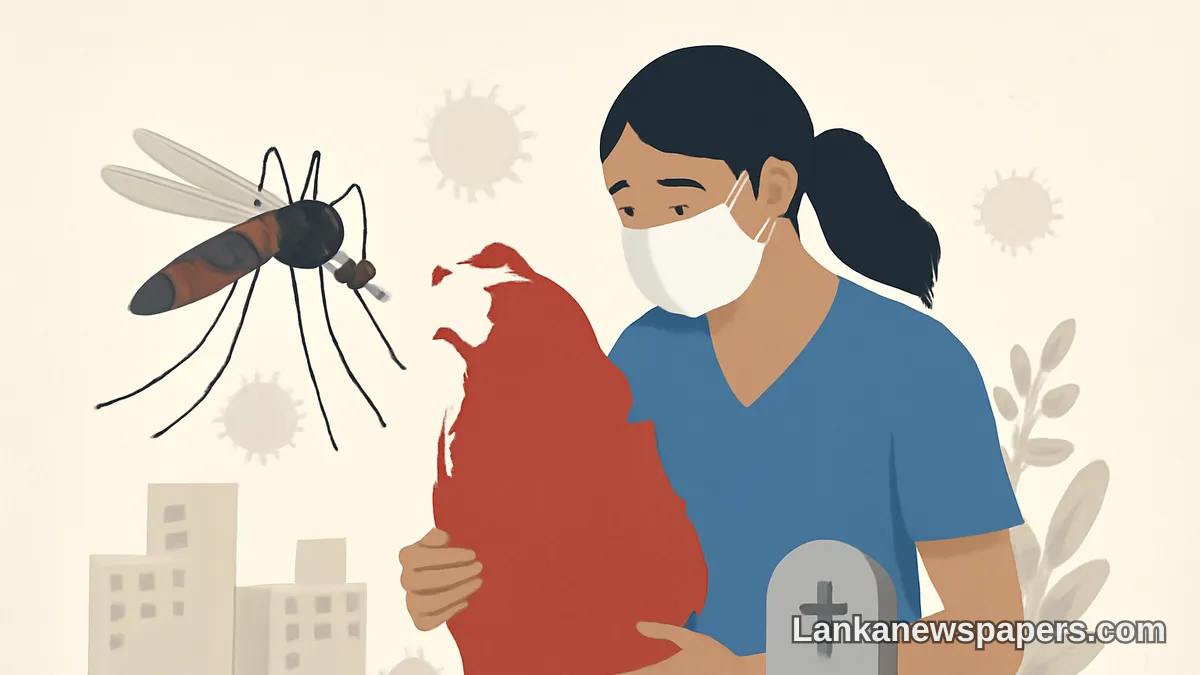
Nearly 100,000 Cases Recorded Nationwide Amid Growing Public Health Concern
Sri Lanka's battle against dengue fever has taken a grim turn, with the national death toll reaching 73 for the year, as the Dengue Control Unit reports a staggering 96,228 confirmed cases recorded across the island so far.
The latest figures paint a troubling picture of a mosquito-borne illness that continues to stretch the country's public health resources and claim lives at an alarming rate. With case numbers approaching the six-figure mark, health authorities are warning that dengue remains one of the most serious threats to public wellbeing in Sri Lanka today.
A Persistent and Deadly Threat
Dengue fever, transmitted through the bite of the Aedes aegypti mosquito, is not new to Sri Lanka, but the scale of this year's outbreak has raised fresh concerns among medical professionals and government officials alike. The disease can escalate rapidly into severe dengue, which carries a significantly higher risk of fatality if not treated promptly.
Health experts consistently highlight the following key risk factors that contribute to the spread of dengue in Sri Lanka:
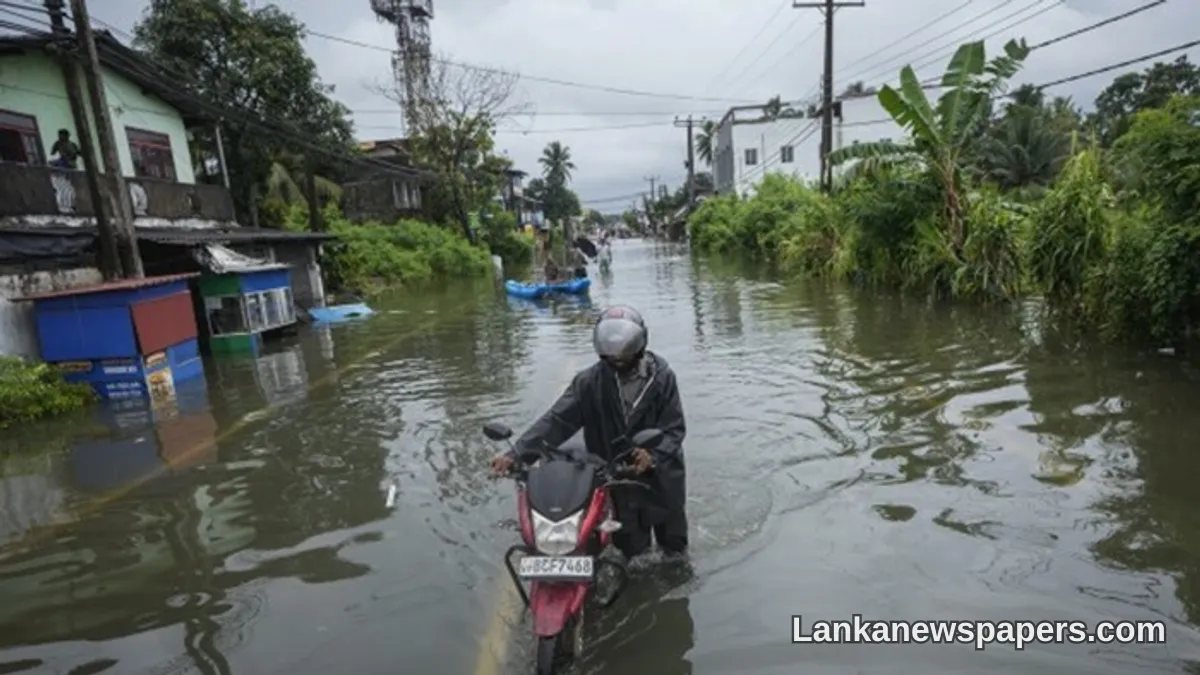
- Stagnant water accumulation in urban and rural areas, particularly during and after rainfall
- Inadequate waste disposal leading to breeding grounds for mosquitoes
- Delayed medical attention by patients experiencing symptoms
- Dense population settlements where the virus spreads more easily
Public Urged to Take Preventive Action
As the death toll rises, public health officials are renewing calls for communities to take immediate preventive measures. Households are being urged to eliminate standing water around their homes, use mosquito repellent, and seek medical attention without delay if symptoms such as high fever, severe headache, or joint pain develop.
Dengue is largely preventable through community action. Every household has a role to play in eliminating mosquito breeding sites before the situation worsens further.
The Dengue Control Unit is continuing to monitor the situation closely as authorities work to bring the outbreak under control. Given that case numbers remain critically high, health officials are urging the public not to treat dengue as a routine illness, stressing that early diagnosis and timely medical care are essential to preventing further fatalities.
Sri Lankans are encouraged to stay vigilant, cooperate with local health inspectors, and report any suspected breeding sites in their neighbourhoods to the relevant authorities.


💬 Join the Discussion 1
See what readers are saying — and add your view.
73 deaths and still ppl not cleaning their gardens. we are the problem.