Charting a New Course: How Sri Lanka Can Finance Its Development Beyond the IMF Programme
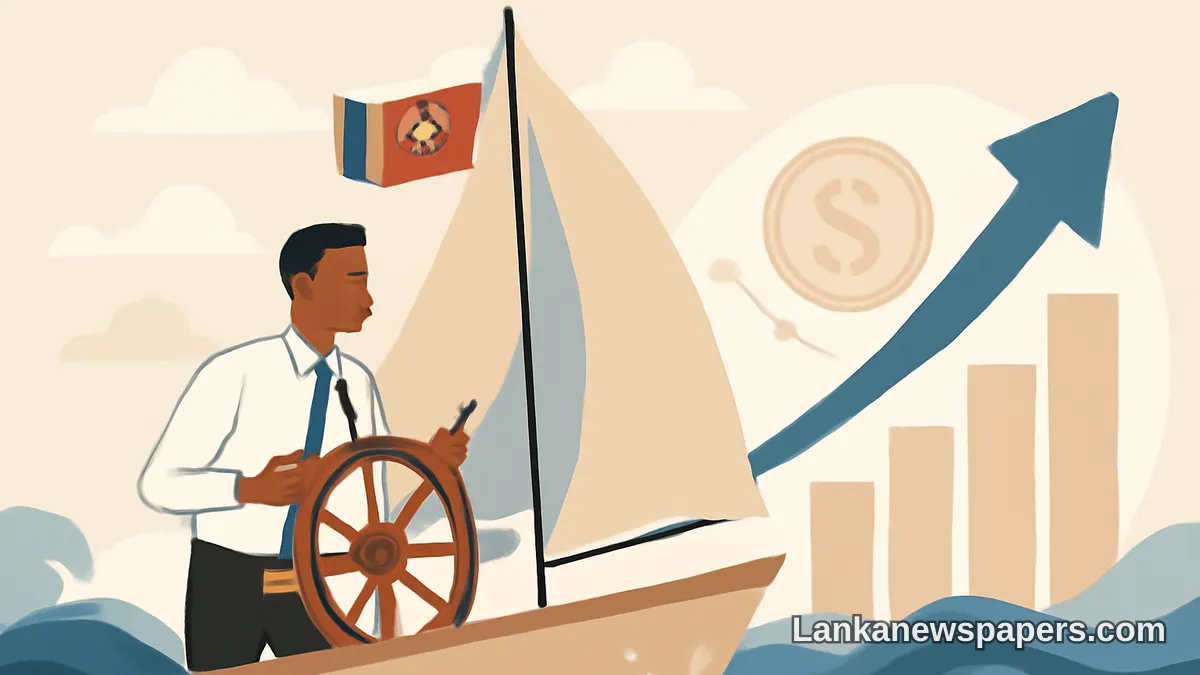
Sri Lanka at a Crossroads
As Sri Lanka navigates its way through one of the most demanding economic recovery programmes in its history, a critical question is beginning to dominate policy circles and financial boardrooms alike: what happens when the International Monetary Fund's bailout programme eventually concludes, and how will the island nation finance its long-term development ambitions?
The IMF Lifeline and Its Limits
The IMF's extended fund facility has provided Sri Lanka with a crucial financial lifeline following the catastrophic economic crisis of 2022, which saw the country default on its external debt and face acute shortages of fuel, medicine, and essential goods. While the programme has helped stabilise the economy, restore foreign reserves, and rebuild institutional credibility, it was never designed to be a permanent solution. The real challenge lies in what comes after.
Diversifying Development Finance
Economists and development finance specialists have pointed to several potential avenues through which Sri Lanka could fund its post-IMF development agenda. These include:
- Accessing international capital markets through sovereign bond issuances, once creditworthiness is sufficiently restored
- Deepening partnerships with multilateral development banks such as the Asian Development Bank and the World Bank
- Attracting sustained foreign direct investment through structural reforms and improved ease of doing business
- Leveraging concessional financing from bilateral partners in Asia, the Middle East, and beyond
- Strengthening domestic revenue mobilisation to reduce dependence on external borrowing
Rebuilding Credibility with Global Markets
A successful conclusion of the debt restructuring process with both bilateral and commercial creditors will be pivotal in restoring Sri Lanka's standing among international investors. Without a credible debt resolution, the pathway back to global capital markets remains narrow and expensive, with elevated borrowing costs likely to constrain the government's fiscal space for years to come.
Sustainable development financing requires not just access to funds, but the institutional capacity and governance frameworks to deploy those funds effectively and transparently.
The Role of Domestic Reform
Analysts have emphasised that external financing alone cannot drive meaningful development. Sri Lanka must simultaneously pursue ambitious domestic reforms, including broadening the tax base, improving state-owned enterprise performance, and reducing fiscal deficits to sustainable levels. A stronger domestic revenue base would significantly reduce the country's vulnerability to external shocks and lessen its reliance on foreign borrowing cycles that have historically contributed to debt distress.
A Vision for Long-Term Resilience
For Sri Lanka to transition from crisis management to genuine development momentum, policymakers will need to articulate a clear, credible, and long-term economic vision that attracts patient capital and builds investor confidence. The post-IMF era presents both significant risks and significant opportunities — and how Sri Lanka prepares for that transition today will determine the quality of its economic future for generations to come.

💬 Join the Discussion 4
See what readers are saying — and add your view.
export more, spend less. simple. dont need a big article for that.
goverment cant even manage what they have, now talking about new financing plans
beyond IMF means what exactly? who will give us money now?
thats the whole point no, we need to stop depending on loans altogether