Sri Lanka Calls on Farmers to Adapt Cultivation Practices as El Niño Threatens Dry Season Harvests
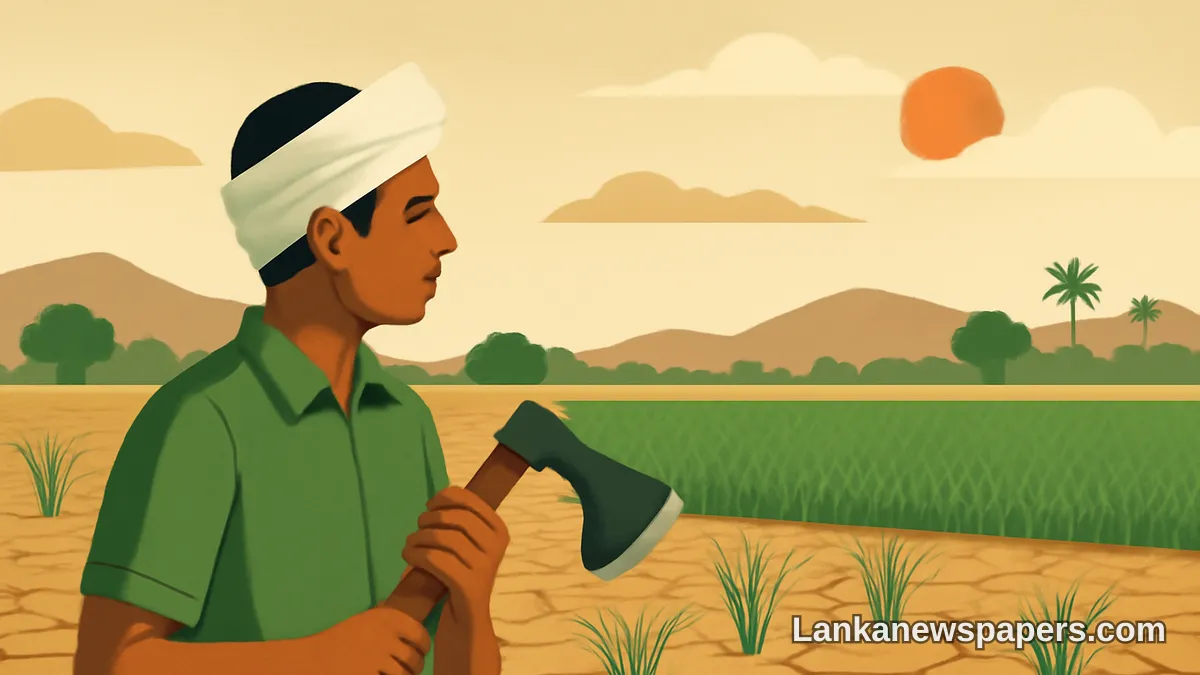
Sri Lankan authorities are urging farmers across the island to adjust their cultivation schedules and irrigation methods in response to the growing threat posed by El Niño weather patterns, which are expected to significantly reduce rainfall and water availability during the upcoming dry season.
Shifting Away from Long-Duration Paddy Varieties
Agricultural officials have advised paddy farmers to move away from long-duration rice varieties, which require greater volumes of water over extended growing periods. Instead, farmers are being encouraged to switch to shorter-duration varieties that can be successfully cultivated with less water, reducing the risk of crop failure during periods of prolonged dry spells driven by El Niño conditions.
Alternate Wetting and Drying Technique Recommended
Alongside changes to crop selection, the government is promoting the adoption of the Alternate Wetting and Drying method, commonly known as AWD, as a water-efficient irrigation strategy. AWD involves periodically allowing paddy fields to dry out to a safe threshold before re-irrigating, rather than maintaining continuous standing water throughout the growing cycle.
- AWD can reduce water consumption in paddy cultivation by up to 30 percent without compromising yields
- The technique also helps reduce greenhouse gas emissions from flooded rice fields
- Farmers require simple field water tubes to monitor soil moisture levels when applying AWD
Timetable Adjustments Critical to Protecting Yields
Authorities have stressed that revising cultivation timetables is equally important, encouraging farmers to plan their planting to coincide with periods of greater water availability and to avoid scheduling harvests during the driest months when reservoir levels are expected to be at their lowest.
Farmers who adapt early to water-saving cultivation methods stand the best chance of protecting their livelihoods and ensuring food security during an increasingly challenging climate period.
Broader Context of El Niño Impact on Sri Lanka
El Niño events typically bring drier-than-normal conditions to Sri Lanka, particularly affecting the island's northern and eastern provinces, which are heavily dependent on seasonal rainfall to replenish irrigation tanks and reservoirs. A prolonged dry spell could place considerable stress on both agricultural output and drinking water supplies across the country.
Agricultural experts warn that Sri Lanka must accelerate its transition toward climate-resilient farming practices in order to safeguard the livelihoods of the millions of rural families who depend on paddy cultivation as their primary source of income.



💬 Join the Discussion 2
See what readers are saying — and add your view.
goverment always gives advice but no proper support for farmers no
true, who will train them on this AWD thing? just words only