How Middle Eastern Geopolitics Is Quietly Reshaping Sri Lanka's Coastline and Culture
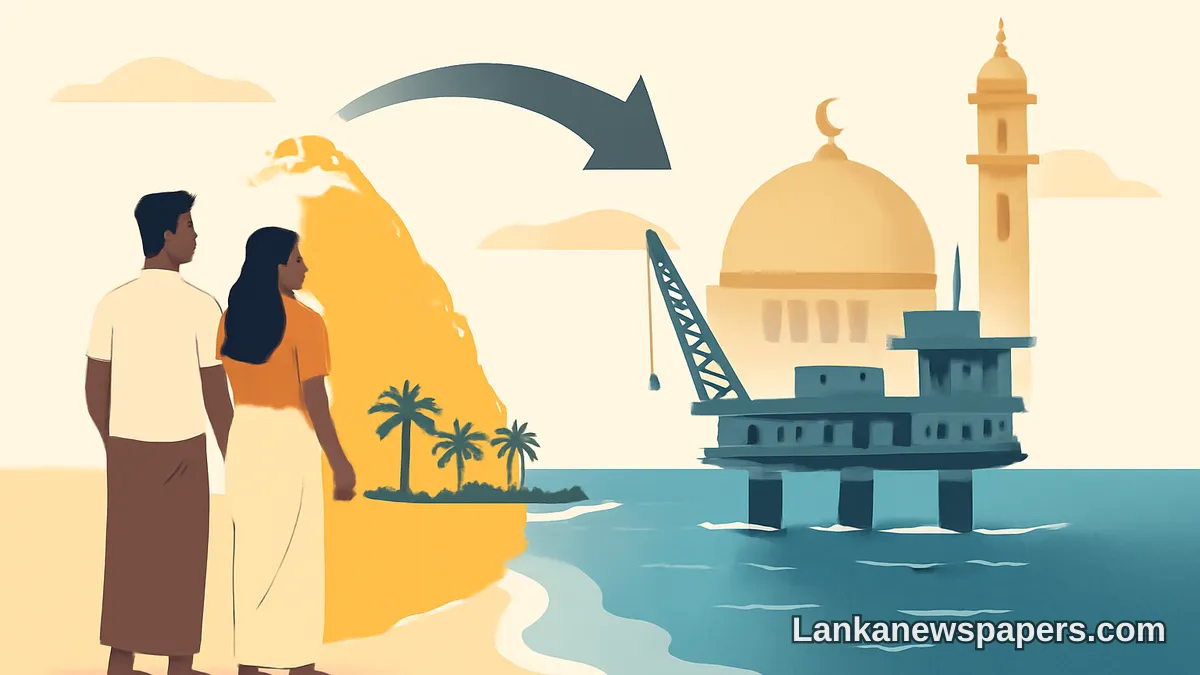
Sri Lanka, long celebrated as a jewel of the Indian Ocean, has historically attracted traders, travellers, and settlers from across the globe. Known in ancient times as Serendib, the island's strategic location made it a crossroads of civilisations. Today, a new chapter of foreign influence is quietly unfolding — one that stretches from the turbulent politics of the Middle East to the sun-drenched shores of Hiriketiya.
A Coastline Catching New Attention
Hiriketiya, a tranquil bay on Sri Lanka's southern coast, has in recent years transformed from a hidden surfers' retreat into one of the island's most talked-about destinations. Yet beyond tourism brochures and lifestyle travel features, the cove has begun attracting a different kind of attention — one tied to broader currents of geopolitical investment and cultural influence emanating from the Middle East.
Observers and analysts have noted a discernible pattern of interest from Gulf-linked investors and networks in Sri Lanka's coastal real estate, hospitality sector, and broader economic landscape. While foreign investment is welcomed by a nation still navigating the aftershocks of its devastating 2022 economic crisis, questions are emerging about the nature, scale, and long-term implications of this engagement.
Ancient Ties, Modern Dimensions
Sri Lanka's connections with the Arab world are far from new. Arab traders sailed to Serendib centuries ago, leaving behind communities, customs, and a lasting cultural footprint. The Sri Lankan Moor community, descendants of those early traders, remains a significant and deeply rooted part of the island's diverse social fabric.
However, analysts argue that what is unfolding today carries distinctly modern dimensions — shaped not merely by trade or migration, but by the strategic rivalries and influence campaigns that define contemporary Middle Eastern geopolitics. The competition between regional powers, shifts in Gulf foreign policy, and the flow of ideological as well as economic capital are all factors now being examined in the Sri Lankan context.
Economic Vulnerability as a Factor
Sri Lanka's economic collapse in 2022 left the country acutely vulnerable to external pressures and eager for investment from any quarter. The government pursued bailouts, debt restructuring, and new bilateral agreements with a range of international partners. In this environment, Gulf state actors — both official and private — found expanded opportunities to deepen their foothold on the island.
Coastal properties, tourism ventures, and infrastructure projects have all featured in this growing engagement. Critics warn that in the rush to attract capital, sufficient scrutiny may not always be applied to the origins and intentions behind certain investments.
Cultural and Social Dimensions
Beyond economics, there are cultural and social dimensions to this story that resonate strongly within Sri Lanka. Concerns have been raised in various quarters about the spread of more conservative religious interpretations, funded in part by external sources, within local Muslim communities. These concerns are not new — they surfaced acutely in the aftermath of the 2019 Easter Sunday attacks — but they continue to inform public debate.
Community leaders and civil society voices have consistently emphasised the importance of distinguishing between Sri Lanka's own rich and moderate Muslim traditions and externally promoted ideologies that do not reflect the island's historical religious character.
A Call for Informed Engagement
Sri Lanka's geographic position in the Indian Ocean ensures it will always be of strategic interest to global and regional powers. As the country works to rebuild its economy and restore stability, the challenge lies in engaging with international partners — including those from the Middle East — in a manner that is transparent, mutually beneficial, and firmly grounded in national interest.
From the ancient spice routes that once made Serendib legendary, to the breaking waves of Hiriketiya today, Sri Lanka's shores have always told a story of the wider world. The task for policymakers, communities, and citizens alike is to ensure that this latest chapter is one written on Sri Lanka's own terms.

💬 Join the Discussion 2
See what readers are saying — and add your view.
Tourist places getting sold off quietly while we sleep. Wake up ppl.
Exactly. Hiriketiya changed so fast nobody even noticed.