Government Touts Economic Recovery as Ordinary Sri Lankans Continue to Bear the Brunt of Austerity
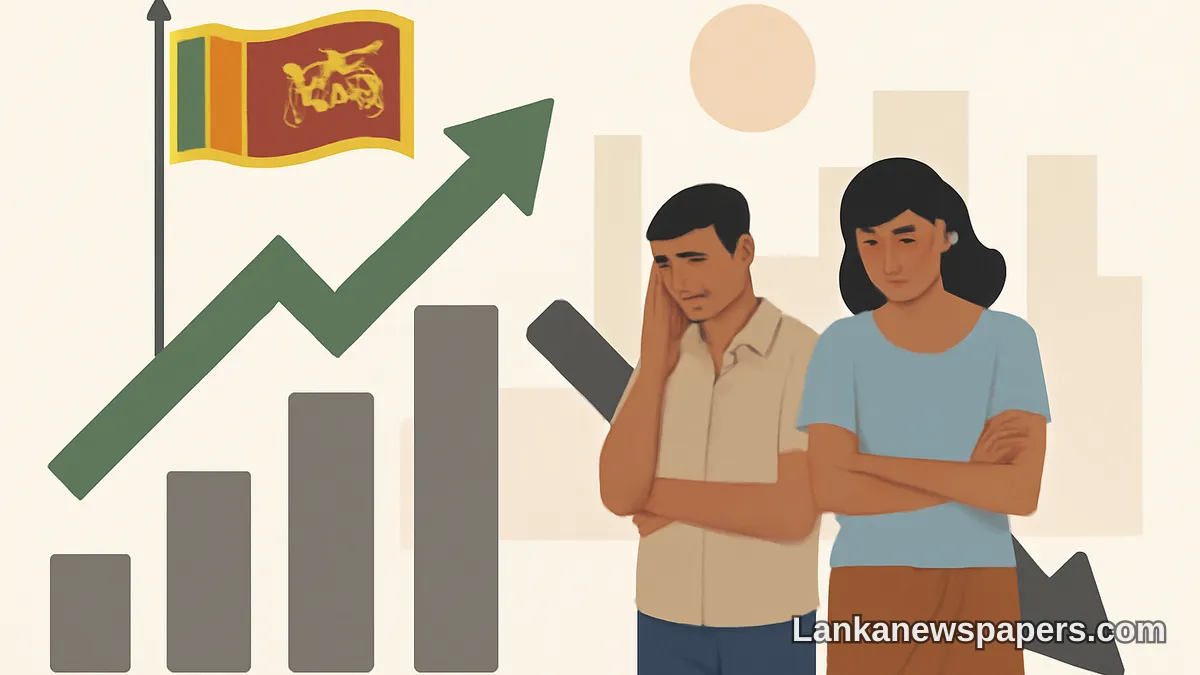
The Sri Lankan government has been loudly proclaiming success in its economic recovery programme, pointing to improving macroeconomic indicators as evidence that the country has turned a corner following its devastating 2022 financial crisis. However, critics and analysts argue that these headline figures mask a far grimmer reality for millions of ordinary citizens still struggling under the weight of harsh austerity measures.
A Recovery in Name Only?
Officials in Colombo have been keen to highlight stabilising foreign reserves, a strengthening rupee, and reduced inflation as proof that Sri Lanka's painful economic restructuring — carried out under the guidance of the International Monetary Fund — is bearing fruit. The government has framed these developments as a vindication of its reform agenda, which involved steep tax hikes, cuts to subsidies, and sharp increases in utility tariffs.
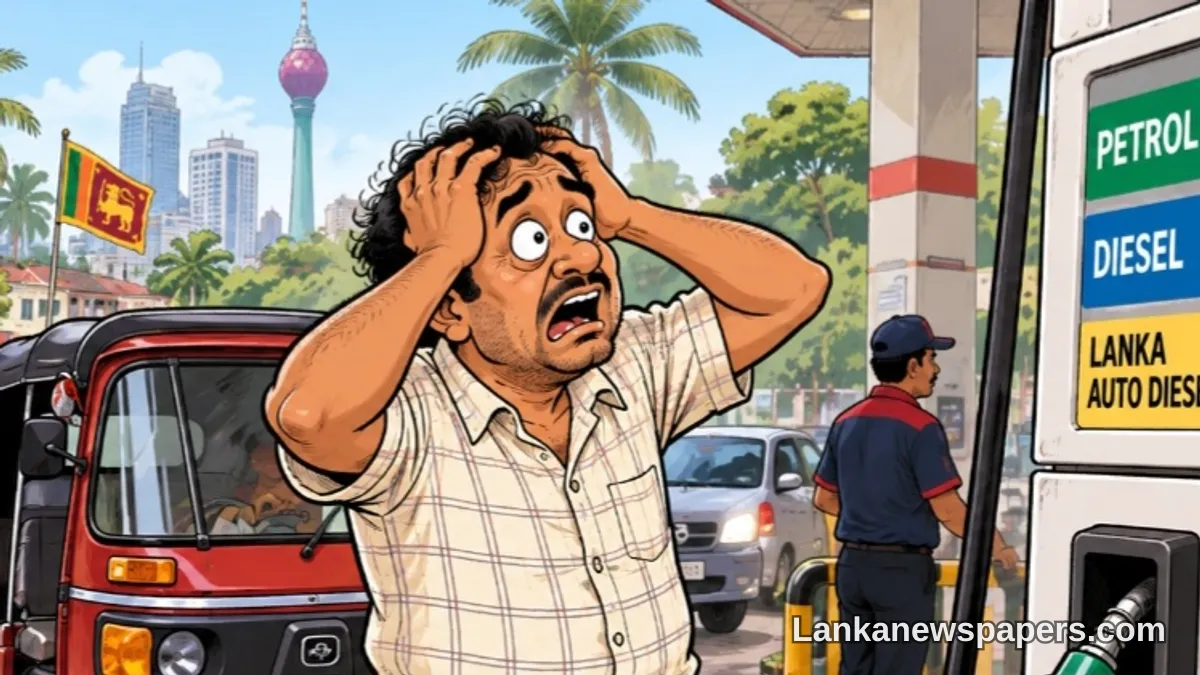
Yet for vast numbers of Sri Lankan families, daily life remains extraordinarily difficult. The cost of essential goods, electricity, and fuel continues to place enormous pressure on household budgets, and many workers are finding that their wages simply do not stretch far enough to cover basic needs.
The Human Cost of Austerity
The burden of the recovery has fallen disproportionately on working-class and low-income communities across the island. Among the key concerns being raised:
- Persistent high costs of food and essential commodities despite easing inflation figures
- Reduced state support for vulnerable populations following subsidy cuts
- Rising utility bills placing pressure on both households and small businesses
- Public sector workers facing wage stagnation amid an increased tax burden
Government Defends Its Approach
Government representatives maintain that the difficult measures were unavoidable given the scale of the economic collapse Sri Lanka experienced, and that the reforms are laying the groundwork for sustainable long-term growth. They argue that without structural adjustments, the country would have remained locked in a cycle of debt and instability.
The macroeconomic stabilisation achieved over the past two years represents a significant turnaround, but authorities acknowledge that translating those gains into meaningful improvements in living standards remains the central challenge ahead.
Scepticism Remains Widespread
Opposition politicians and civil society groups have been sharply critical of what they describe as a disconnect between official narratives and ground-level conditions. They contend that celebrating economic recovery while large segments of the population continue to suffer amounts to a premature — and politically motivated — declaration of victory.
As Sri Lanka continues to navigate the terms of its IMF programme, the central question facing policymakers is whether the fruits of macroeconomic stabilisation can be made to reach those who have sacrificed the most in the process. For now, that question remains very much unanswered.
💬 Join the Discussion 3
See what readers are saying — and add your view.
goverment always saying good news but ppl still cant afford rice
recovery for who? not for us at the petrol queue thats for sure
exactly. my gas bill alone doubled this month. what recovery?