Human Rights Group Calls on President Dissanayake to Deliver Long-Overdue Justice for Sri Lanka's War Victims
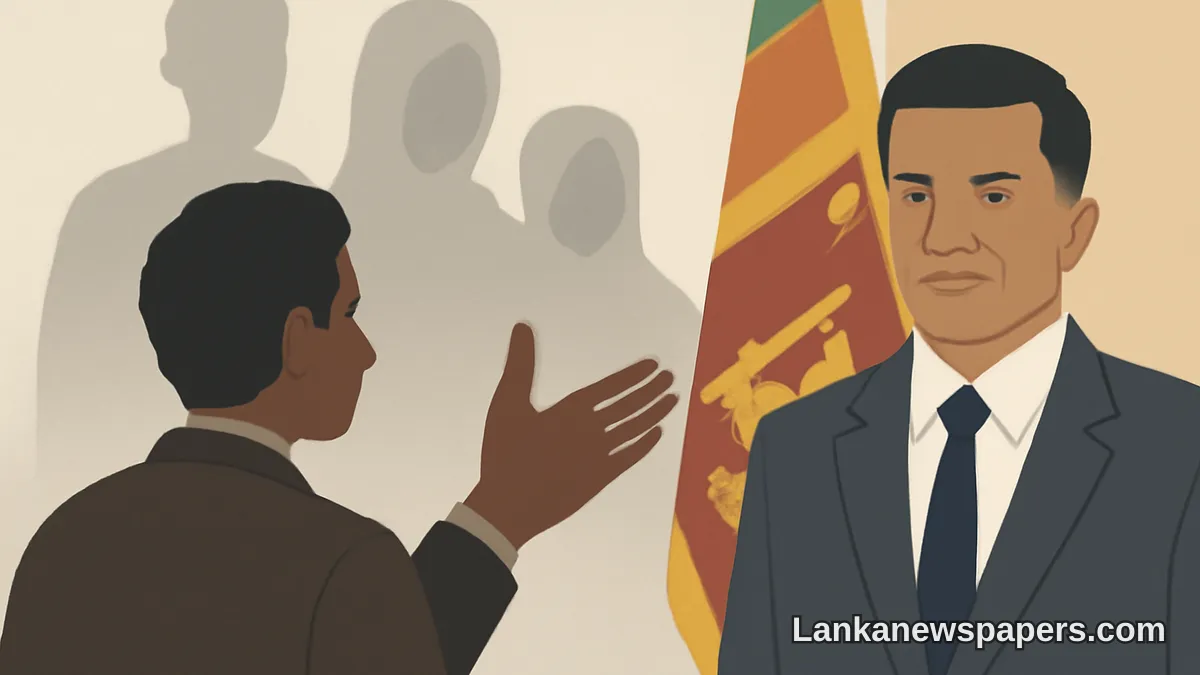
Accountability Demands Resurface as Rights Organisation Pressures Sri Lankan Leadership
A human rights organisation has issued a formal appeal to Sri Lankan President Anura Kumara Dissanayake, urging him to take decisive action to end prolonged delays in delivering justice to victims of the country's decades-long civil war and to ensure that those responsible for wartime abuses are held accountable.
The appeal underscores growing frustration among advocacy groups and affected communities over what they describe as a persistent failure by successive Sri Lankan governments to meaningfully address accountability for alleged atrocities committed during the final stages of the armed conflict, which ended in 2009 with the military defeat of the Liberation Tigers of Tamil Eelam (LTTE).
Key Demands Outlined by the Rights Group
- An immediate end to institutional delays in transitional justice processes
- Tangible accountability measures for alleged war crimes and human rights violations
- Meaningful engagement with families of the disappeared and other conflict-affected communities
- Concrete implementation of previously pledged reconciliation and justice mechanisms
A Long-Standing Grievance
Sri Lanka has faced sustained international pressure over its handling of alleged human rights violations that occurred during the final years of the civil war. Despite multiple commitments made before United Nations bodies over the years, critics argue that domestic accountability mechanisms have fallen far short of delivering justice to victims and their families, many of whom remain in anguish over the fate of loved ones who went missing during the conflict.
Rights advocates have long argued that delays in the justice process are not merely administrative failures but represent a deliberate erosion of victims' rights and a barrier to genuine national reconciliation.
Pressure on the New Administration
President Dissanayake, who came to power on a platform of systemic reform and good governance, now faces mounting expectations from both domestic civil society and the international community to demonstrate a credible commitment to transitional justice. Rights groups argue that his administration represents a critical opportunity to break from the patterns of delay and inaction that have characterised previous governments' responses to war-era accountability.
Sri Lanka's handling of post-war justice continues to be closely monitored by the United Nations Human Rights Council, and the country remains subject to ongoing scrutiny under international human rights review mechanisms. Observers note that the new government's response to these latest calls will be a significant test of its stated commitment to reform and democratic governance.
💬 Join the Discussion 4
See what readers are saying — and add your view.
What about Tamil victims AND Sinhala victims both. Cant forget either side.
These foreign groups dont understand our situation. Very complicated history.
How many years we waiting already. Empty promises every goverment same thing.
Exactly no. AKD also will talk talk and do nothing watch.