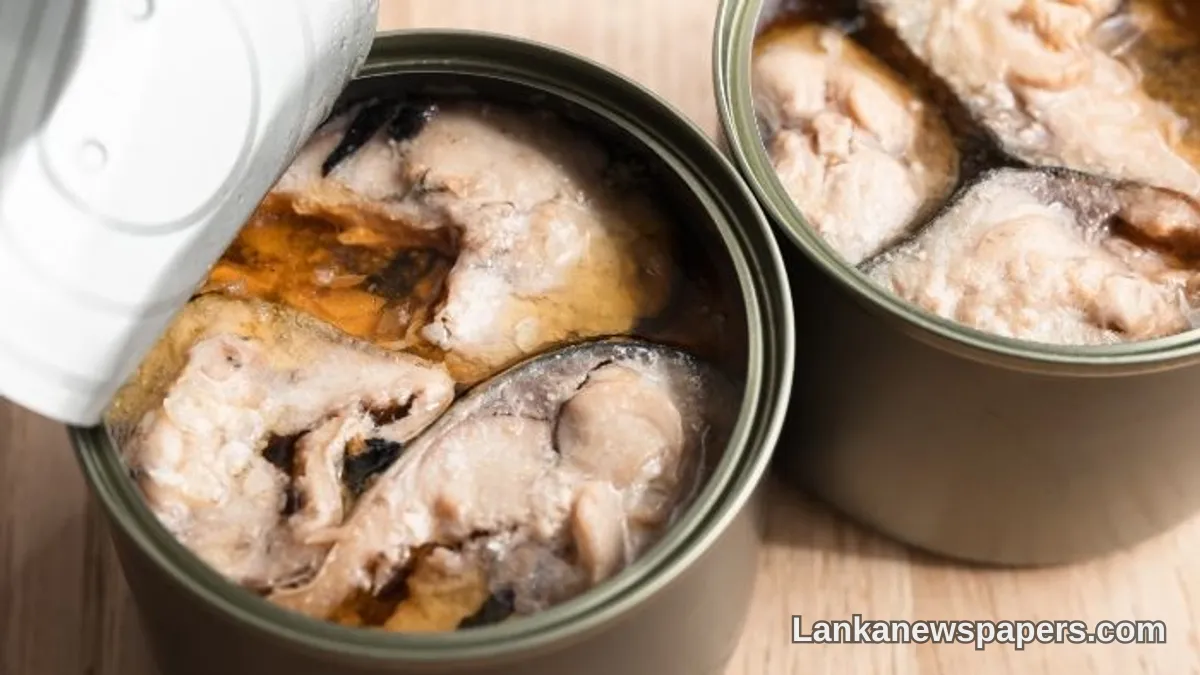
The Sri Lankan government has taken steps to regulate the cost of locally produced canned fish, issuing a gazette notification that establishes a maximum retail price for the product.
The order, which carries legal weight under the relevant regulatory framework, is aimed at protecting consumers from excessive pricing on one of the country's most widely consumed and affordable protein sources.
Consumer Relief at the Forefront
Canned fish remains a staple in many Sri Lankan households, particularly among low and middle-income families who rely on it as a cost-effective alternative to fresh seafood. The government's move to impose a price ceiling is expected to ease the financial burden on consumers who have faced persistently high food prices in recent years.
By formalising the price cap through a gazette notification, authorities have made compliance mandatory for retailers and distributors operating within the local market.
Regulatory Measure Under Existing Powers
The gazette order was issued under existing consumer protection and trade legislation, empowering relevant authorities to monitor and enforce the stipulated maximum retail price across supermarkets, grocery stores, and other retail outlets island-wide.
Traders found selling locally produced canned fish above the gazetted price could face penalties under the applicable laws.
Broader Context
This latest intervention is part of a broader government effort to stabilise essential food prices and ensure that basic commodities remain accessible to the general public. Sri Lanka has previously imposed price controls on a range of essential goods, including rice, bread, and fuel, as part of cost-of-living management strategies.
Industry stakeholders and consumer advocacy groups are expected to closely monitor the implementation of the new price ceiling to assess its effectiveness in bringing relief to ordinary Sri Lankans.



💬 Join the Discussion 1
See what readers are saying — and add your view.
finally some relief, machan. tuna prices were getting out of hand.