Iran Strikes Back: Missile and Drone Barrage Targets US-Linked Military Bases Across Middle East
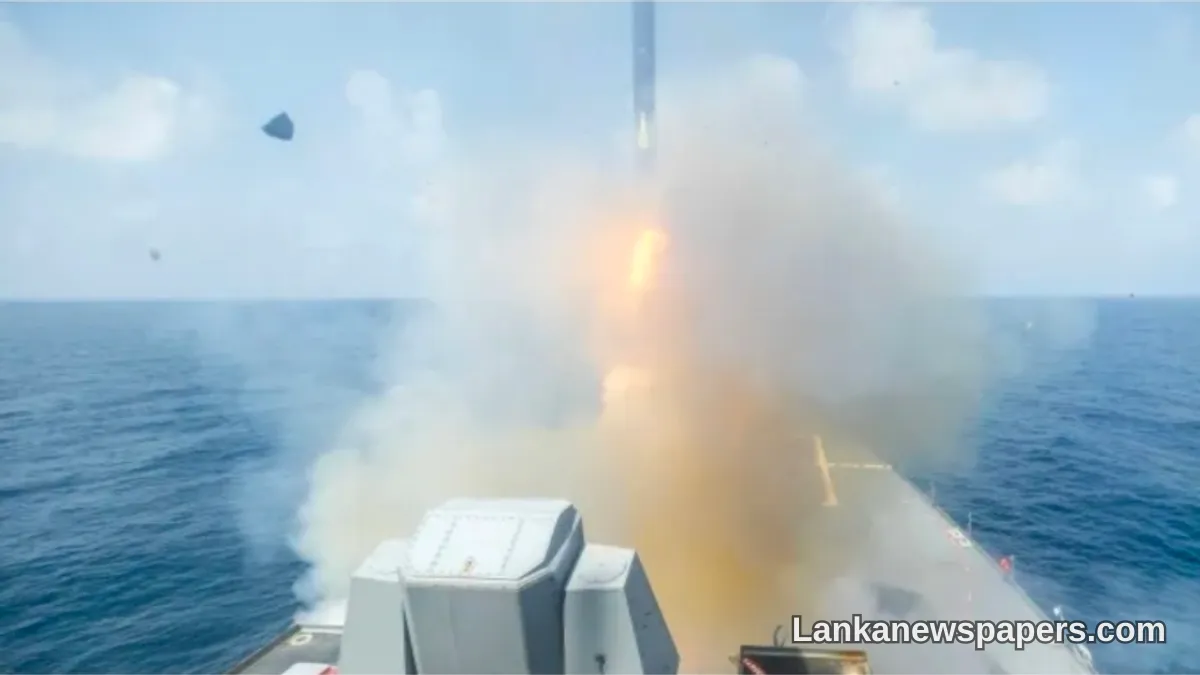
Iran has launched a sweeping retaliatory offensive, firing missiles and deploying drones against United States-linked military installations spread across the Middle East, in a dramatic escalation following earlier American strikes on Iranian targets.
A Coordinated Response
The Iranian military mounted what analysts are describing as a coordinated and wide-ranging counter-attack, targeting facilities associated with the US military presence in the region. The strikes marked a significant intensification of hostilities between Tehran and Washington, raising fears of a broader regional conflict.
Both ballistic missiles and armed drones were reportedly used in the offensive, with Iranian authorities confirming the attacks were carried out in direct retaliation for United States military action against Iranian soil or interests.
Regional Tensions Reach a Boiling Point
The latest exchange of fire represents one of the most serious military confrontations between Iran and the United States in recent years. Governments across the Middle East and beyond have been placed on heightened alert as the situation continues to develop.
International observers and world leaders have urged both sides to exercise restraint, warning that further escalation could destabilise an already fragile region and trigger consequences with global ramifications.
Impact and International Reaction
Details regarding casualties and infrastructure damage at the targeted facilities were still emerging at the time of reporting. Several regional governments have called for emergency diplomatic consultations, while major world powers have issued statements urging an immediate de-escalation.
- Iranian forces deployed both missile systems and drone technology in the strikes.
- US-linked military facilities across multiple locations in the Middle East were reported as targets.
- The attacks were framed by Iran as a direct response to prior American military action.
- International calls for restraint have been issued by multiple governments and bodies.
The situation remains fluid and highly volatile, with military and diplomatic developments unfolding rapidly across the region.
Sri Lanka, which maintains diplomatic relations with nations across the Middle East and is home to a significant migrant worker population in the Gulf region, will be closely monitoring the situation. Any prolonged conflict in the area could have implications for Sri Lankan workers abroad as well as for the country's oil import costs and broader economic stability.



💬 Join the Discussion 1
See what readers are saying — and add your view.
America always poking everyone then acting surprised when they hit back no