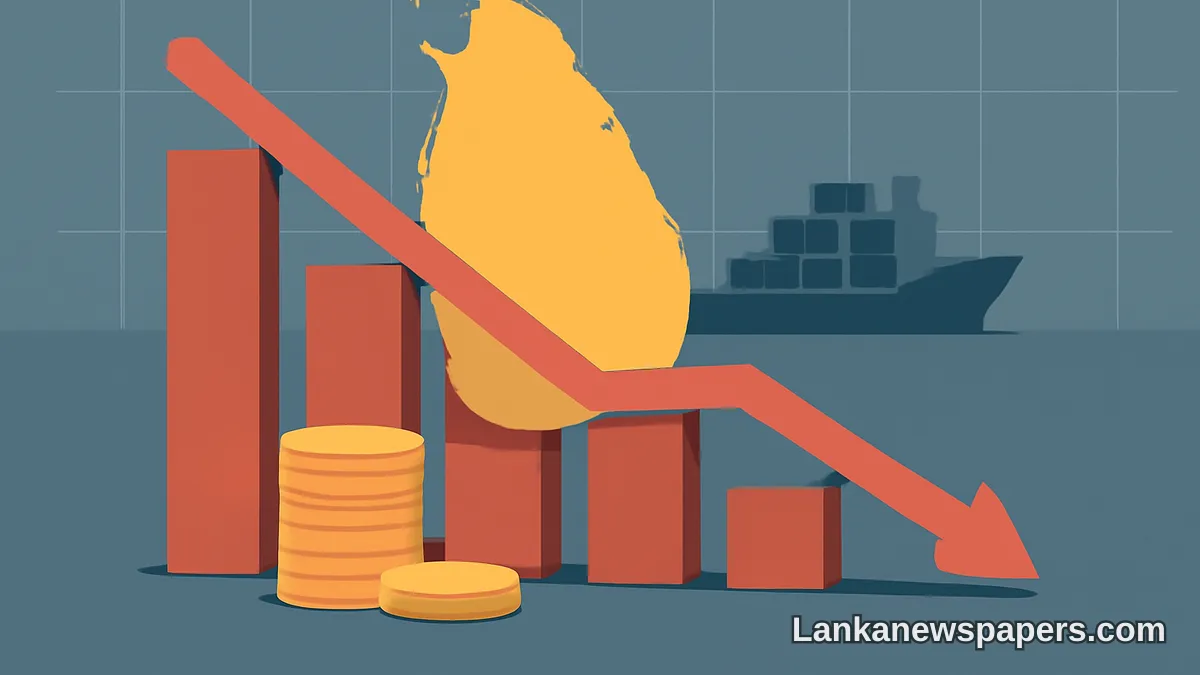
Persistent Deficit Raises Concerns Over External Balance
Sri Lanka's current account has recorded a deficit for the fourth consecutive month, according to the latest data, signalling continued pressure on the country's external finances as it navigates its post-crisis economic recovery.
The current account, which measures the flow of goods, services, income, and transfers between Sri Lanka and the rest of the world, has remained in negative territory, raising questions among economists and policymakers about the sustainability of the island nation's balance of payments position.
What Is Driving the Deficit?
A persistent current account deficit typically indicates that a country is importing more than it is exporting in terms of goods and services, or that outflows on income and transfers are exceeding inflows. For Sri Lanka, which is still working to rebuild foreign reserves and stabilise its economy following the 2022 economic crisis, a prolonged deficit could place additional strain on the exchange rate and reserve levels.
Key factors that may be contributing to the ongoing deficit include:
- Rising import volumes as domestic demand gradually recovers
- Fluctuations in export earnings from key sectors such as apparel and tea
- Pressure on services and income account balances
- Changes in remittance inflows from Sri Lankan workers abroad
Context Within Broader Recovery Efforts
Sri Lanka has been implementing a series of economic reforms under its International Monetary Fund programme, aimed at restoring fiscal discipline and rebuilding external buffers. While significant progress has been made in stabilising the economy, the continuation of a current account deficit underscores that vulnerabilities remain.
Analysts note that a current account deficit is not inherently alarming if it is financed by stable capital inflows such as foreign direct investment. However, given Sri Lanka's recent history of external debt distress, sustained deficits warrant close monitoring by authorities and international partners alike.
Outlook
Policymakers will be closely watching upcoming months' data to determine whether the deficit trend is deepening or beginning to reverse. A recovery in tourism earnings, stronger export performance, and continued growth in worker remittances could help narrow the gap in the months ahead.
The Central Bank of Sri Lanka and the Finance Ministry are expected to factor these external balance trends into their broader policy decisions as the country continues on its path toward economic stabilisation and debt restructuring finalisation.



💬 Join the Discussion 4
See what readers are saying — and add your view.
exports need to increase, thats it. simple as that but nobody doing it
someone explain to me in simple terms how this affects normal ppl like us
four months straight and still no proper plan from goverment side
what plan men, they just talk and talk only