SJB's Harsha de Silva Challenges Both Government and Ranil on Sri Lanka's 2028 Debt Repayment Outlook
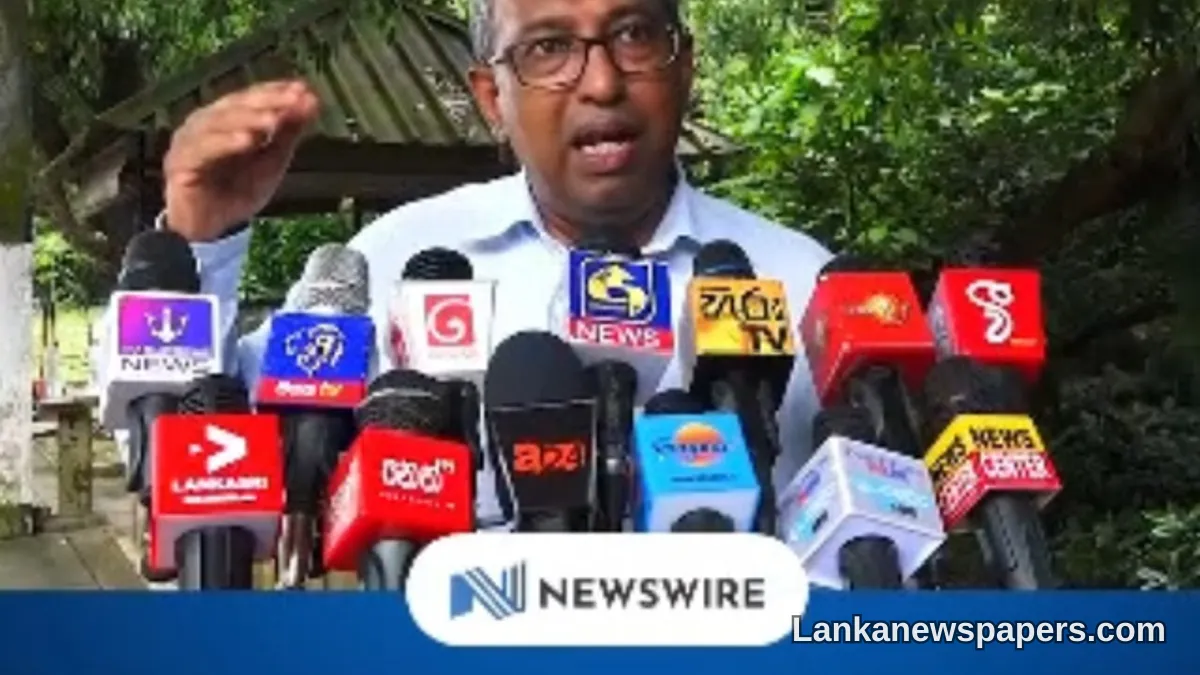
MP Takes Aim at Conflicting Narratives on Debt Sustainability
Samagi Jana Balawegaya (SJB) parliamentarian Dr. Harsha de Silva has stepped into the ongoing debate surrounding Sri Lanka's ability to meet its debt repayment obligations in 2028, rejecting the positions put forward by both the current government and former President Ranil Wickremesinghe.
A Challenge to Both Sides
Dr. de Silva, a prominent economist and senior opposition MP, has disputed the assurances offered by the present administration as well as the cautionary warnings voiced by Wickremesinghe regarding the country's debt repayment capacity. In doing so, he has positioned himself outside both camps, calling into question the credibility of the narratives being advanced by each side.
The debate centres on Sri Lanka's financial obligations expected to fall due in 2028, a critical period in the country's post-default economic recovery. The island nation, which declared an unprecedented sovereign debt default in 2022, has since been navigating a complex restructuring process under the guidance of the International Monetary Fund.
Context of the Dispute
As Sri Lanka works to stabilise its economy and rebuild fiscal credibility, questions about the sustainability of its restructured debt repayment schedule have grown increasingly prominent among policymakers, economists, and international creditors alike. The 2028 window is seen by many analysts as a defining test of whether the country's recovery programme will hold.
Dr. de Silva's intervention signals that the issue is far from settled in the political sphere, with key figures across party lines holding markedly different assessments of the country's capacity to honour its obligations during that period.
Opposition Scrutiny Intensifies
The SJB has consistently maintained a critical stance toward the government's handling of the economic crisis and its recovery roadmap. Dr. de Silva's challenge to both the government's optimism and Wickremesinghe's framing underscores the depth of disagreement among Sri Lanka's political class over how best to interpret and communicate the country's fiscal outlook.
As the 2028 repayment period draws closer on the national economic calendar, statements from prominent figures such as Dr. de Silva are likely to fuel further public and parliamentary debate over the true state of Sri Lanka's debt sustainability and the credibility of commitments made during the restructuring process.

💬 Join the Discussion 0
Be the first to share your view on this story.