Parliamentary Expert Panel Kicks Off Efforts to Overhaul Sri Lanka's Electoral System
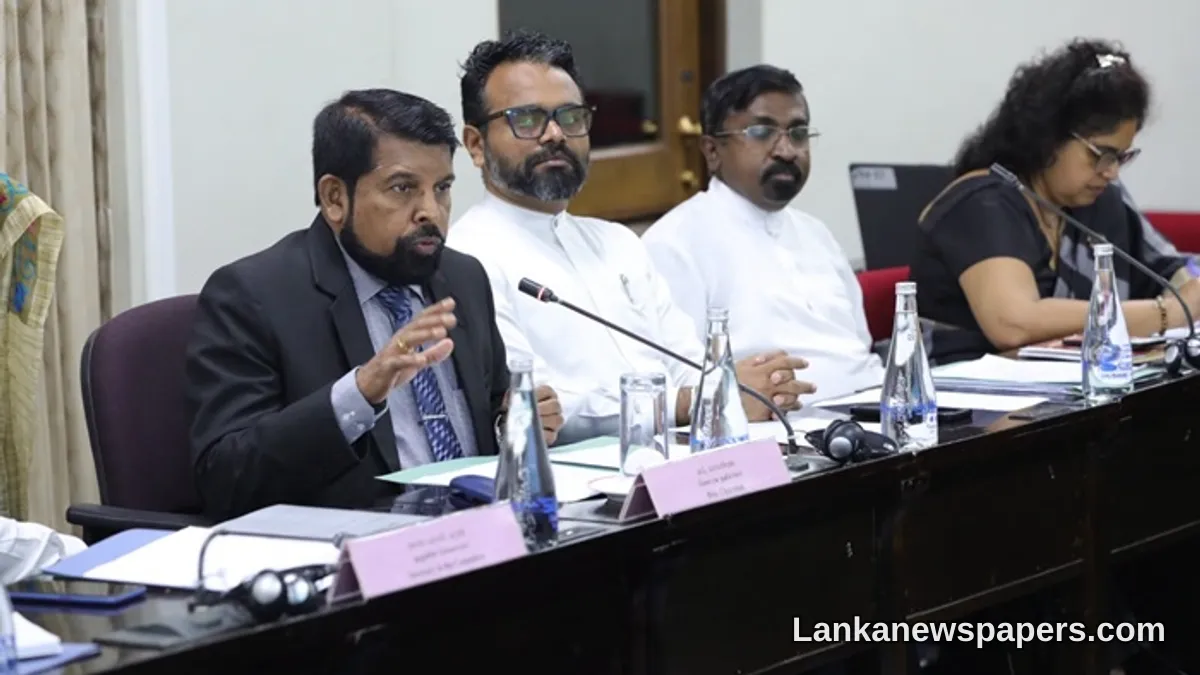
A high-level Expert Panel tasked with reforming Sri Lanka's electoral system convened a special meeting at Parliament to map out its agenda and lay the groundwork for what promises to be a significant structural transformation of the country's democratic framework.
Panel Begins Formal Deliberations
The meeting, held at Parliament, marked the formal commencement of the panel's work as it sought to define the scope, priorities, and timeline for its reform recommendations. The gathering brought together appointed experts who will be responsible for examining the current electoral architecture and proposing meaningful changes to better serve Sri Lankan voters and democratic institutions.
A Critical Moment for Democratic Reform
Electoral reform has long been a subject of debate in Sri Lanka, with critics of the existing system pointing to its complexities and perceived shortcomings in adequately representing the will of the electorate. The establishment of this Expert Panel signals a renewed political will to address these concerns at the highest levels of government.
The panel is expected to scrutinize multiple dimensions of the current system, potentially including:
- The structure and composition of the electoral framework
- Representation mechanisms for diverse communities across the island
- The efficiency and transparency of the voting process
- Constitutional and legal considerations surrounding any proposed changes
What Comes Next
Following the inaugural meeting, the Expert Panel is anticipated to conduct a series of consultations, research exercises, and deliberations before presenting its findings and recommendations to Parliament. The outcome of this process could have far-reaching consequences for how Sri Lankans elect their representatives at every level of government.
For a nation that has witnessed considerable political turbulence in recent years, a credible and inclusive electoral reform process will be closely watched by citizens, civil society organisations, and the international community alike.
💬 Join the Discussion 4
See what readers are saying — and add your view.
will they actually reduce preferential voting or just talk only?
proportional representation system is the main problem, fix that first
another panel another waste of tax money, nothing will change
exactly, how many panels did they form before? zero results