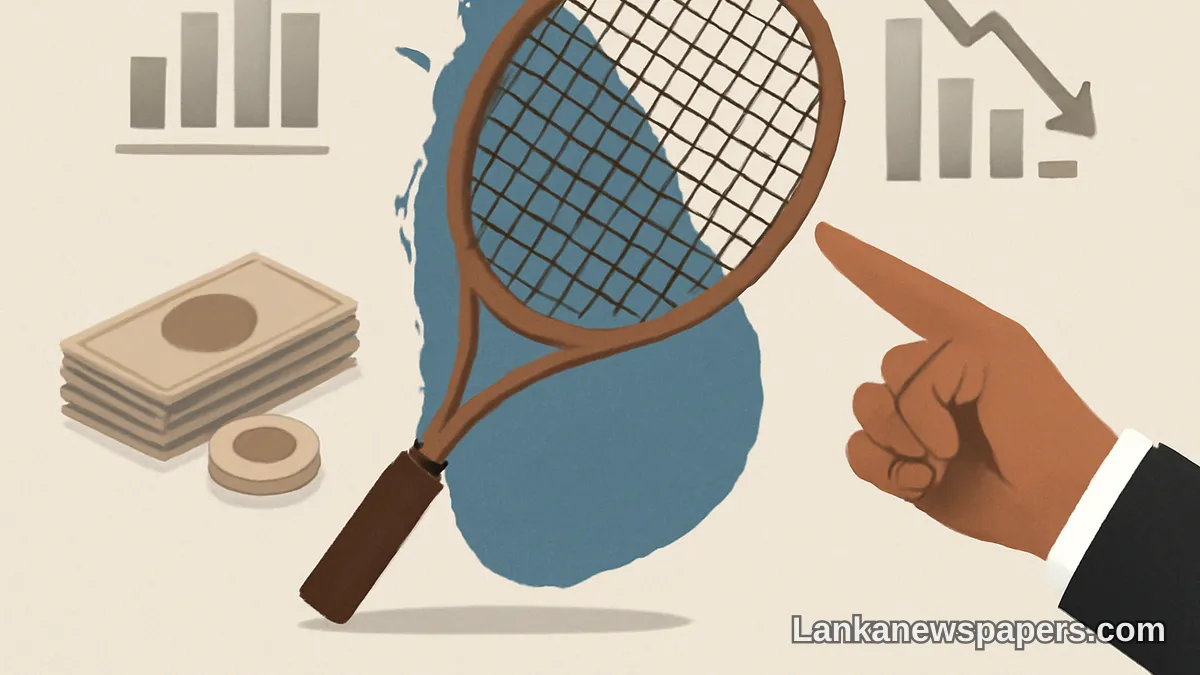
Experts Raise Alarm Over Structural Failures and Elite Capture
A chorus of prominent economists has described Sri Lanka's economic system as little more than a "racket," delivering sharp criticism of the structural arrangements that have long governed the island nation's financial and commercial landscape.
The damning characterisation reflects growing frustration among economic experts who argue that the country's economic framework has historically served the interests of a privileged few rather than the broader population. According to these analysts, deeply entrenched systems of patronage, policy distortion, and rent-seeking behaviour have hampered genuine growth and undermined public welfare for decades.
A System Rigged Against Ordinary Citizens
Economists contend that Sri Lanka's economic difficulties are not merely the product of external shocks or isolated mismanagement, but the result of deliberate structural choices that protect powerful interest groups. Key concerns raised include:
- Monopolistic or oligopolistic market conditions that stifle fair competition
- Trade and regulatory policies skewed in favour of connected business elites
- Public resources channelled to sustain politically linked enterprises
- A lack of meaningful accountability mechanisms for economic decision-makers
These systemic flaws, critics argue, have created an environment where wealth is extracted rather than generated, leaving ordinary Sri Lankans to bear the burden of recurring economic crises.
Reform Remains an Urgent Priority
The commentary arrives at a critical juncture for Sri Lanka, which continues its fragile recovery following the catastrophic economic crisis of 2022 that led to the country defaulting on its foreign debt and triggering widespread social unrest. While the government has made progress under an International Monetary Fund programme, economists warn that surface-level fiscal adjustments are insufficient without deeper structural reforms.
Without dismantling the entrenched networks that benefit from the current arrangement, any recovery risks becoming yet another cycle of boom, plunder, and bust.
Analysts stress that sustainable economic progress in Sri Lanka will require a fundamental rethinking of how markets are regulated, how public contracts are awarded, and how political influence over economic institutions is curtailed. Transparency, genuine competition, and strong independent oversight are widely cited as non-negotiable prerequisites for meaningful change.
Public Confidence at Stake
The stark language used by economists underscores the depth of disillusionment with the status quo. For a population that endured fuel queues, medicine shortages, and soaring inflation just a few years ago, the message is a sobering reminder that the root causes of Sri Lanka's economic vulnerabilities remain largely unaddressed.
As the government charts its path forward, pressure is mounting from civil society, international partners, and the economics community alike to ensure that recovery translates into a genuinely fairer and more resilient economy — rather than a restoration of the same system that brought the country to the brink.


💬 Join the Discussion 4
See what readers are saying — and add your view.
nothing will change, same ppl same system, just new report
which economists said this, goverment ones or real ones
racket means what exactly, we already knew no?
exactly, economists just putting fancy words to what we all living every day