Remembering Kethesh Loganathan: A Voice for the Lost Generation of Sri Lanka's Conflict
A Legacy Carved Amid Tragedy
Among the many voices silenced by Sri Lanka's decades-long civil conflict, few resonated as deeply or as thoughtfully as that of Kethesh Loganathan. A scholar, peace advocate, and public intellectual, Loganathan dedicated his life to bridging the chasm between communities torn apart by war — and paid the ultimate price for that commitment.
Who Was Kethesh Loganathan?
Kethesh Loganathan was a prominent Tamil intellectual who worked tirelessly within Sri Lanka's peace process, serving in roles that placed him at the heart of some of the most sensitive negotiations of the conflict era. His analytical mind and genuine desire for reconciliation earned him respect across ethnic and political lines, even as his positions made him a target for those who preferred bullets over dialogue.
He was assassinated in 2006, a loss that sent shockwaves through Sri Lanka's civil society and underscored the brutal reality facing those who dared to pursue peace during the island's most turbulent years.
The Lost Generation He Spoke For
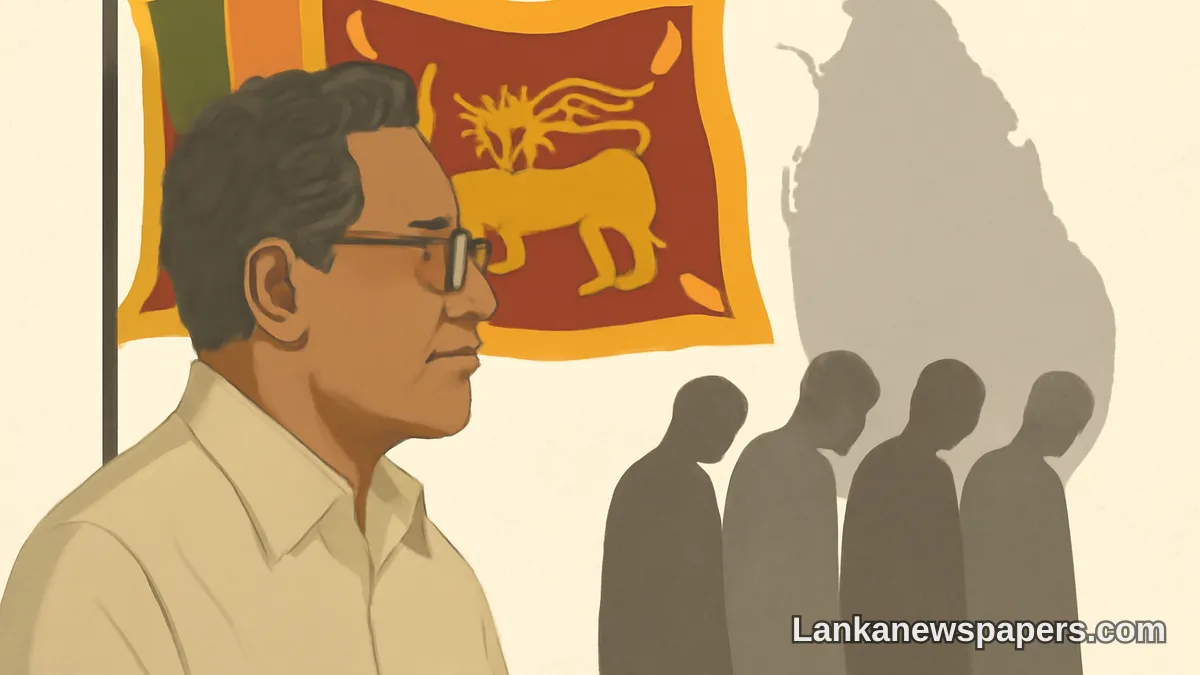
Loganathan's work was never purely academic or political — it was deeply human. He understood, perhaps better than most, the concept of a "lost generation": the thousands of young Sri Lankans, predominantly Tamil, who grew up knowing nothing but displacement, fear, and the suffocating grip of armed conflict. These were children who should have been in classrooms, not caught in crossfire; young adults who should have been building futures, not mourning the present.
His writings and advocacy shone a light on this generation, demanding that policymakers, negotiators, and the international community acknowledge the long-term human cost of prolonged armed conflict. He argued that no peace agreement could be truly sustainable without addressing the deep wounds inflicted on this cohort of young people.
A Warning That Went Unheeded
In retrospect, Loganathan's warnings carry a painful prescience. He cautioned repeatedly that political solutions delayed were human tragedies compounded. The years that followed his death saw the conflict reach its devastating conclusion in 2009, leaving behind not only physical destruction but an entire generation scarred by trauma, grief, and uncertainty about their place in a post-war Sri Lanka.
His message was simple yet profound: peace is not merely the absence of war — it is the presence of justice, dignity, and opportunity for those most harmed by conflict.
Relevance for Sri Lanka Today
More than fifteen years after his assassination, Loganathan's ideas remain urgently relevant. Sri Lanka continues to grapple with questions of reconciliation, accountability, and the reintegration of communities fractured by decades of violence. The lost generation he spoke of has grown older, but their needs — economic, psychological, and political — have not disappeared.
For a country still navigating the complex terrain of post-war nation-building, revisiting the intellectual legacy of voices like Kethesh Loganathan is not merely an academic exercise. It is a moral obligation — a reminder of what was lost, and what must not be lost again.
Honoring the Memory
To remember Kethesh Loganathan is to recommit to the values he embodied: honest dialogue, unflinching analysis, and an unwavering belief that Sri Lanka's diverse communities deserve a shared and peaceful future. His life, though cut tragically short, continues to challenge all Sri Lankans to do better — for themselves, and for the generations still waiting to be found.



💬 Join the Discussion 1
See what readers are saying — and add your view.
Such a waste. He was killed before peace had any real chance.