New Proposal Seeks to End Deadly Standoff Between Humans and Elephants in Sri Lanka
Crisis Point Reached in Decades-Long Conflict
Sri Lanka's long-running human-elephant conflict has reached a critical tipping point, prompting fresh calls for a comprehensive new approach to managing the increasingly deadly tensions between local communities and the island's wild elephant population.
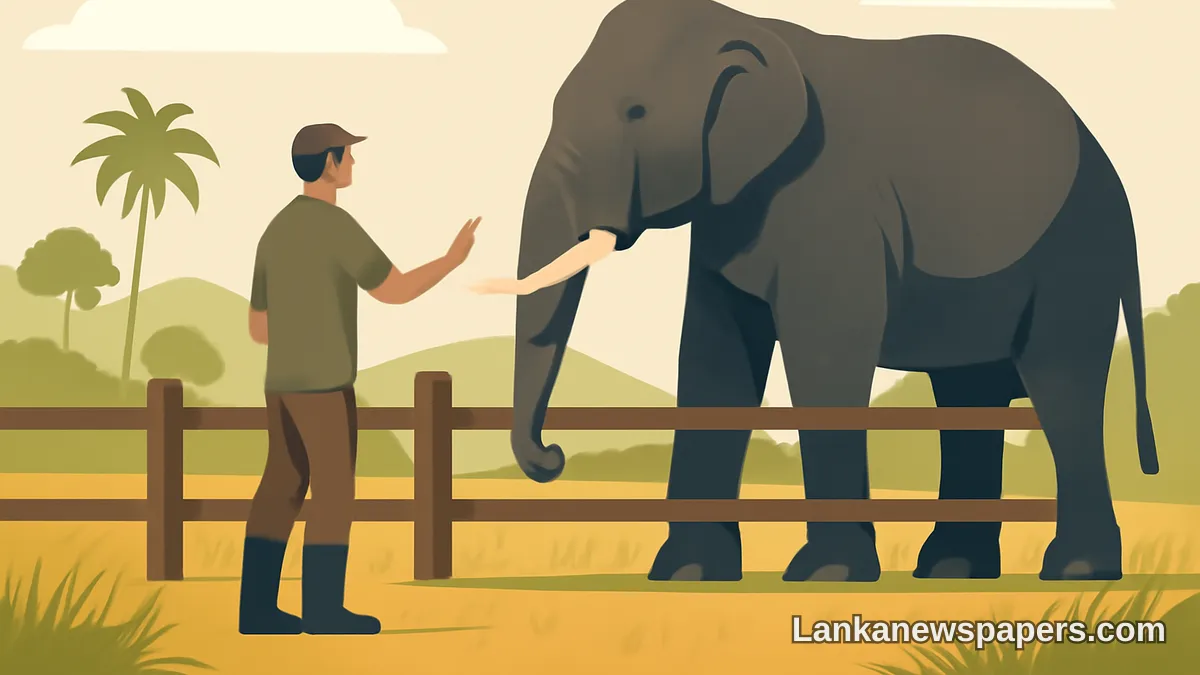
A newly tabled proposal aims to move beyond conventional containment strategies and instead foster genuine coexistence between humans and elephants — a shift that experts and conservationists argue is long overdue given the alarming rate at which both human and elephant lives are being lost each year.
A Conflict With Devastating Consequences
Sri Lanka holds one of the largest populations of Asian elephants in the world, but rapid agricultural expansion and human settlement have steadily encroached upon traditional elephant habitats. The result has been a cycle of retaliatory killings, crop destruction, and fatal encounters that has claimed hundreds of lives on both sides over recent decades.
Rural farming communities living on the edges of forests bear the heaviest burden, with livelihoods frequently devastated by elephant raids on crops and property. At the same time, elephant numbers continue to face pressure from habitat loss, fragmenting the migratory corridors these animals depend upon.
What the New Proposal Involves
The fresh initiative is designed to address the root causes of the conflict rather than simply managing its symptoms. Key elements of the proposed framework are expected to include:
- Strengthening and restoring elephant migratory corridors to reduce the frequency of human-elephant encounters
- Introducing early warning systems to alert villagers of approaching elephants in time to avoid confrontations
- Providing fair and timely compensation mechanisms for farmers and families who suffer losses due to elephant activity
- Engaging local communities directly in conservation planning to ensure their concerns are central to any long-term solution
- Reviewing the effectiveness of existing deterrents such as electric fencing and trenches
Experts Urge Urgent Action
Wildlife specialists and conservation groups have welcomed the renewed focus on coexistence, stressing that piecemeal interventions have repeatedly failed to produce lasting results. They argue that without a nationally coordinated strategy backed by adequate funding and political will, the conflict will only intensify as land pressure grows.
The situation has reached a stage where doing nothing is no longer an option. Both communities and elephants are paying an unbearable price.
The proposal is expected to be taken up for broader discussion among government authorities, wildlife officials, and community stakeholders in the coming weeks. For a nation that regards the elephant as a cultural and national symbol of immense importance, finding a durable solution carries significance that extends well beyond conservation alone.
A Test for Sri Lanka's Conservation Commitment
How Sri Lanka chooses to respond to this latest proposal will be closely watched both domestically and internationally. With the human-elephant conflict now widely acknowledged as one of the most pressing wildlife management challenges in Asia, the island nation has an opportunity to set a meaningful precedent for coexistence — if the political and social will can be found to act decisively.



💬 Join the Discussion 2
See what readers are saying — and add your view.
how many proposals already came? nothing changed on the ground
exactly, ppl in those villages suffering for years no