Ancient Underground Clay Pipeline Network Unearthed at Sri Lanka's Historic Yapahuwa Kingdom
Remarkable Archaeological Discovery at Yapahuwa
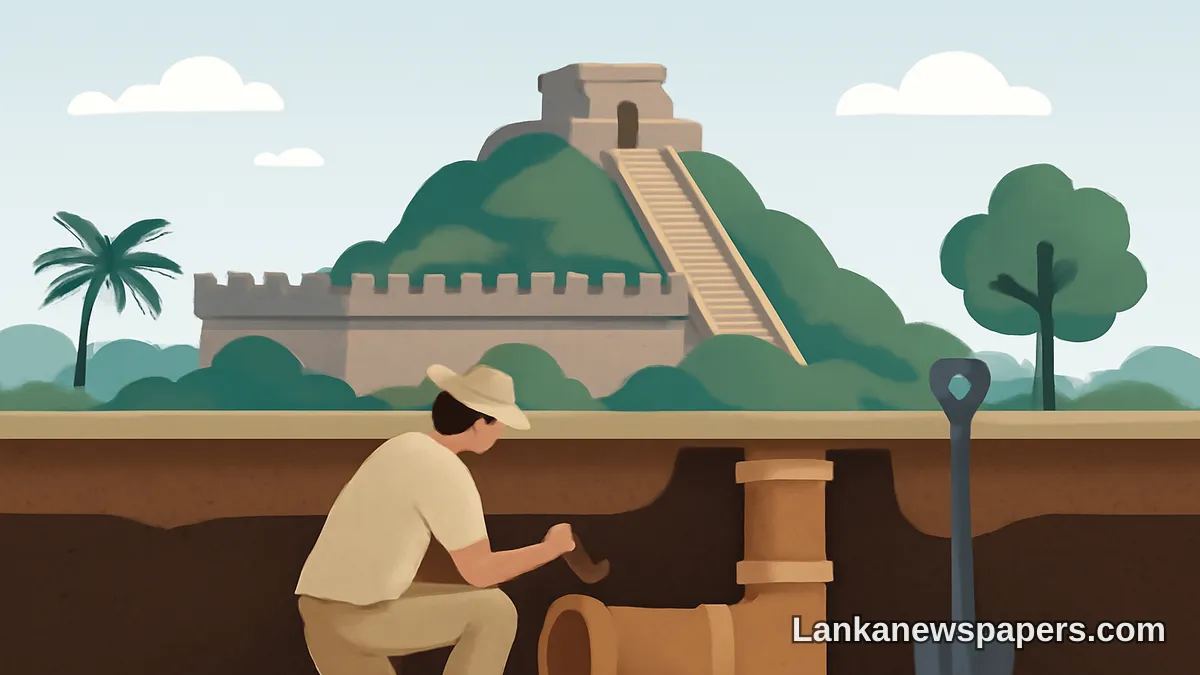
Archaeologists have made a significant discovery at the ancient Yapahuwa Kingdom in Sri Lanka, uncovering a rare underground clay pipeline system that offers fresh insight into the sophisticated engineering capabilities of the island's early civilisations.
A Glimpse Into Ancient Engineering
The pipeline network, constructed from clay, was found buried beneath the grounds of the historic Yapahuwa site, which served as a brief but important royal capital of Sri Lanka during the 13th century. The discovery points to a highly organised and technically advanced society that had mastered the art of underground water management centuries before modern engineering methods came into existence.
Such infrastructure systems are considered exceptionally rare findings in South Asian archaeology, making this unearthing particularly noteworthy for researchers and historians studying the region's ancient past.
Significance of the Yapahuwa Kingdom
Yapahuwa, located in the North Western Province of Sri Lanka, is widely recognised as one of the country's most historically significant ancient strongholds. The fortified rock citadel served as the royal capital and was also home to the Sacred Tooth Relic of the Buddha for a period, underlining its immense cultural and religious importance.
The site continues to be a focus of ongoing archaeological study, with each new discovery adding another layer of understanding to Sri Lanka's rich and complex ancient history.
Broader Implications for Historical Research
Experts believe that the unearthing of this clay pipeline system could prompt a reassessment of what was previously understood about urban planning and hydraulic engineering in ancient Sri Lanka. The find suggests that settlements at Yapahuwa were far more structured and administratively sophisticated than earlier studies may have indicated.
Archaeological authorities are expected to conduct further excavations at the site to determine the full extent of the pipeline network and its intended function, whether for water supply, drainage, or irrigation purposes.
This latest discovery reinforces Sri Lanka's standing as a land with a deeply layered archaeological heritage, continuing to yield remarkable evidence of its ancestors' ingenuity and organisational skill.



💬 Join the Discussion 1
See what readers are saying — and add your view.
our ancestors were so advanced, proper engineering underground pipelines and all