Between Turbulence and Calm: Navigating Sri Lanka's New Political and Economic Reality
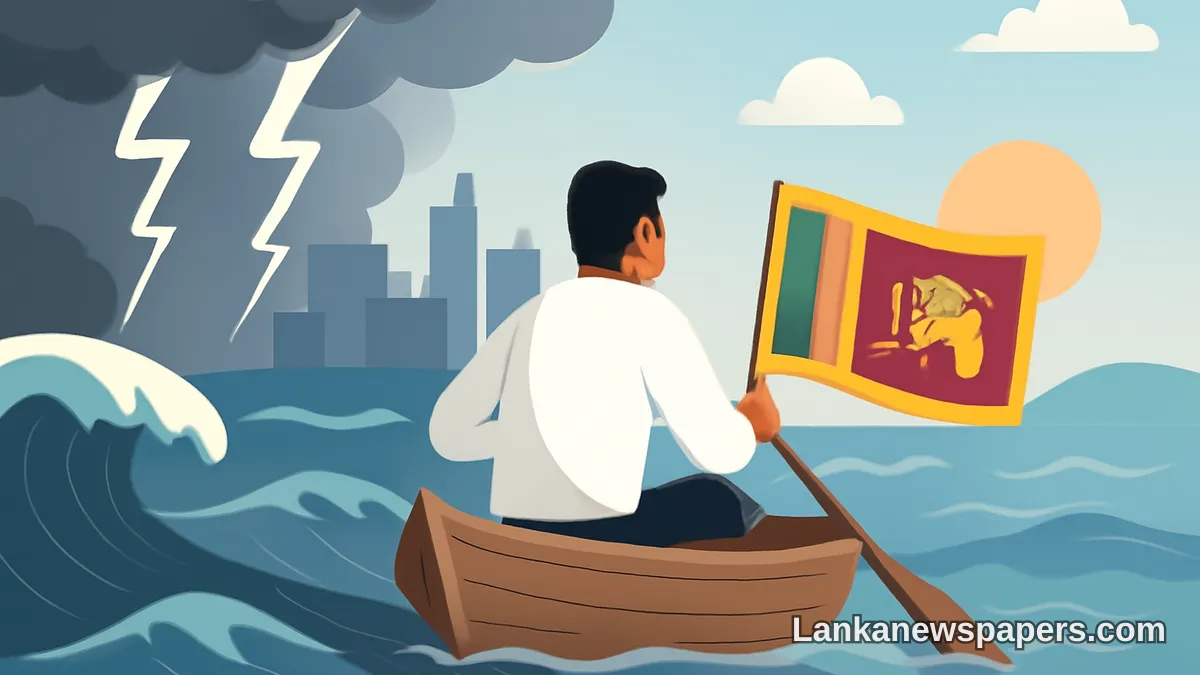
A Nation in Transition
Sri Lanka finds itself at a defining crossroads — a country that has weathered one of its most catastrophic economic crises in recent memory, yet still grappling with the unpredictable rhythms of reform, political realignment, and public expectation. The mood across the island is one of cautious hope, punctuated by moments of sharp anxiety.
Cycles of Instability and Stillness
Observers of Sri Lankan politics and economics have noted a distinctive pattern emerging in the post-crisis era — brief periods of relative calm interrupted by sudden spikes of volatility. Whether in financial markets, political discourse, or public sentiment, the nation appears to swing between fragile stability and renewed uncertainty.
This rhythm is not accidental. It reflects the deep structural challenges that remain unresolved even as the government projects confidence in its reform agenda and engagement with international lenders such as the International Monetary Fund.
Political Landscape Shifting
The political environment continues to evolve rapidly. New alliances are being tested, public trust in institutions remains tentative, and the electorate appears increasingly discerning after years of broken promises. Citizens are watching closely to see whether those in power can deliver tangible improvements to daily life.
The question on many Sri Lankans' minds is not simply whether the economy will recover, but whether the political culture itself is capable of genuine transformation.
Economic Pressures Persist
Despite some encouraging macroeconomic indicators, the cost of living remains a pressing burden for ordinary households. Inflation, though reduced from its peak levels, continues to squeeze middle and lower-income families. Employment opportunities, particularly for the youth, remain insufficient relative to demand.
- Rising utility costs continue to strain household budgets across the country
- Small and medium enterprises are still recovering from the economic downturn
- Debt restructuring negotiations have brought some relief but long-term obligations remain significant
- Foreign exchange reserves, while improved, require sustained management
The Road Ahead
What defines this particular moment in Sri Lanka's modern history is the tension between the urgency of reform and the patience required to see it through. Institutions are being stress-tested, and the public's appetite for accountability has never been sharper.
Whether Sri Lanka can convert its hard-won lessons from crisis into durable, people-centred progress remains the central question of this new chapter. For now, the country moves forward — not smoothly, but persistently — through the volatility and the lulls that define its present reality.

💬 Join the Discussion 1
See what readers are saying — and add your view.
same old story, turbulence then calm then turbulence again. nothing new