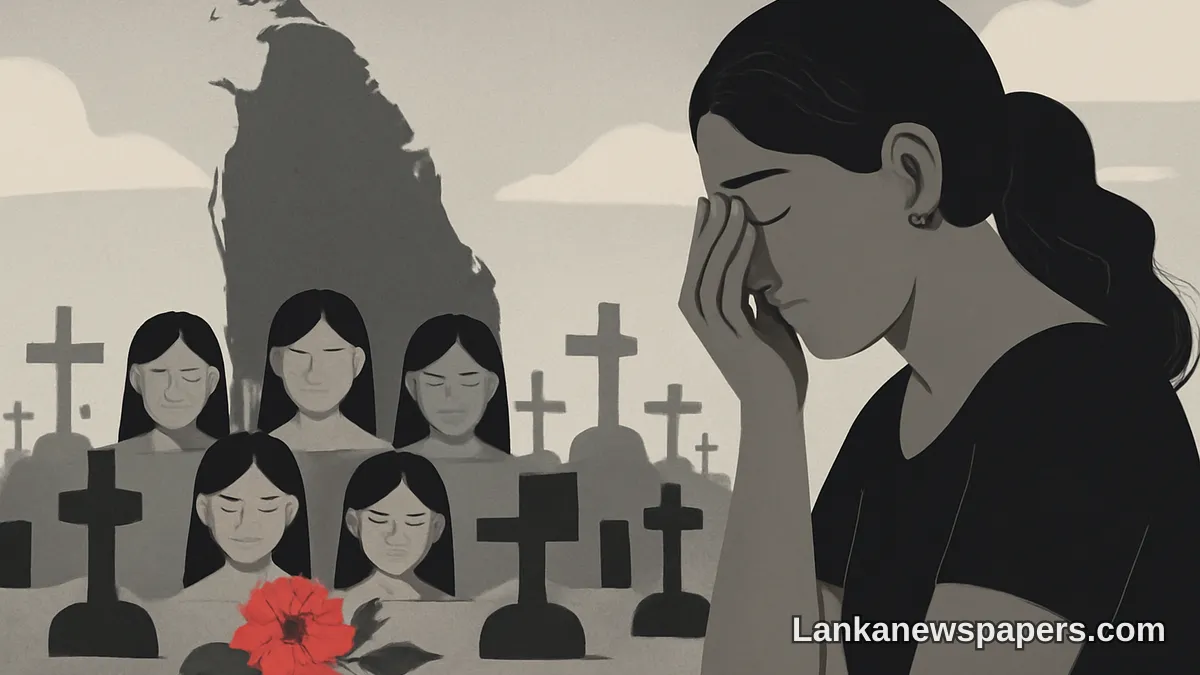
A Wound That Has Never Fully Healed
Twenty years have passed since one of the most devastating and heartbreaking incidents of Sri Lanka's civil war — the Sencholai massacre — yet for the Tamil community, the grief and demand for justice remain as raw as ever. Communities across the north, diaspora groups abroad, and human rights advocates have paused to mark two decades since the tragic event that claimed the lives of dozens of young girls at a camp in the Mullaitivu district.
What Happened at Sencholai
On August 14, 2006, a Sri Lankan Air Force airstrike struck a site in Sencholai, in the Vallipunam area of Mullaitivu. The location was being used as a camp housing Tamil girls, many of whom were enrolled in what was described as a first aid and leadership programme. The strike killed over 60 young women and girls, with many more left injured. The incident drew immediate and fierce condemnation from international human rights organisations, United Nations bodies, and foreign governments.
The Sri Lankan government at the time maintained that the site was a training facility operated by the Liberation Tigers of Tamil Eelam. The LTTE and Tamil civil society representatives strongly rejected this characterisation, insisting those killed were civilians engaged in non-military activities.
Calls for Accountability Grow Louder
As the 20th anniversary is observed, survivors, bereaved families, and advocacy groups have renewed their calls for a thorough, independent, and credible investigation into the airstrike. To date, no individual has been prosecuted or held accountable for the deaths. Human rights organisations argue that this impunity is part of a broader pattern of unresolved wartime atrocities in Sri Lanka that continue to deny justice to Tamil victims and their families.
- Over 60 girls and young women were killed in the airstrike
- The incident occurred on August 14, 2006, in Mullaitivu district
- No criminal accountability has been established in the two decades since
- The event remains a deeply painful chapter in Tamil collective memory
A Community Still Waiting for Justice
For many Tamil families, the anniversary is not merely a moment of mourning — it is a reminder of promises made and broken. Sri Lanka has faced repeated scrutiny at the United Nations Human Rights Council over its handling of wartime accountability, and the Sencholai massacre is frequently cited as a case that exemplifies the country's failure to deliver transitional justice.
For the mothers and fathers who lost their daughters that day, twenty years is not a milestone — it is twenty years of silence from those responsible.
Civil society groups both within Sri Lanka and across the global Tamil diaspora held commemorative events to honour the victims and to keep pressure on authorities to address the still-open wounds of the war. Advocates stress that genuine reconciliation in Sri Lanka cannot be achieved without first confronting the truth of what occurred during the conflict, including tragedies such as the Sencholai airstrike.
The Broader Context of Wartime Accountability
The Sencholai massacre sits within a wider constellation of unresolved incidents from Sri Lanka's nearly three-decade civil war, which officially ended in May 2009. Despite various government-appointed commissions and international mechanisms proposed over the years, progress on accountability has remained slow and, in the view of many rights groups, largely cosmetic. The 20th anniversary serves as a sobering reminder that for thousands of Sri Lankan Tamil families, the post-war chapter has yet to bring the justice or closure they seek.

💬 Join the Discussion 2
See what readers are saying — and add your view.
20 years already. those children never got justice, never.
exactly. goverment keeps quiet but we must not forget.