Muslim Health Workers in Sri Lanka Pushed to Remove Religious Attire in Public Hospitals
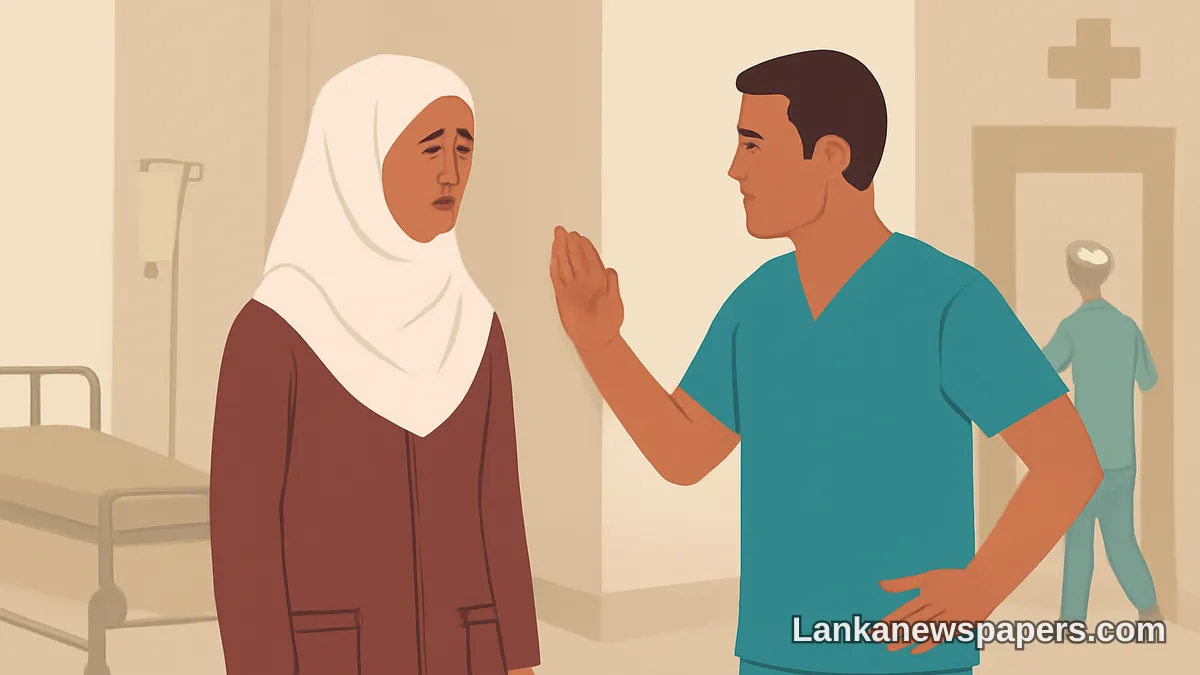
Muslim health workers employed in Sri Lanka's public health sector are facing increasing pressure to remove their religious attire while on duty, raising concerns among community leaders and rights advocates about workplace discrimination and religious freedom in the country.
Restrictions in the Public Health Sector
Reports have emerged that Muslim medical and healthcare staff, particularly women who wear the hijab or niqab as part of their religious observance, are being subjected to directives that restrict or outright prohibit the wearing of Islamic dress within government hospital premises. The restrictions have caused significant distress among affected workers, many of whom regard their religious attire as a fundamental expression of their faith and identity.
The issue has reignited debate in Sri Lanka over the balance between institutional dress code policies and the constitutional right to freely practise one's religion — a right enshrined in the country's foundational legal framework.
Community Concerns and Calls for Justice
Muslim community leaders and civil society groups have expressed alarm over the trend, arguing that singling out Islamic religious dress in public institutions amounts to discrimination against a minority community that has long contributed to Sri Lanka's healthcare workforce.
Healthcare professionals should be judged by their competence and dedication, not by the religious clothing they choose to wear in accordance with their faith.
Advocates have called on the Ministry of Health to review existing dress code guidelines and ensure they do not unfairly target workers from any particular religious background. They argue that reasonable accommodation of religious practice is both a legal obligation and a moral imperative in a pluralistic society.
A Broader Pattern of Concern
This development comes against the backdrop of a wider pattern of tensions surrounding the rights of Sri Lanka's Muslim minority, which constitutes roughly nine percent of the national population. In recent years, the community has faced various social and political pressures, particularly in the aftermath of the 2019 Easter Sunday bombings, which triggered a wave of anti-Muslim sentiment across the island.
Rights organisations have urged the government to take a firm stand against policies or practices that marginalise minority communities, warning that allowing workplace discrimination to go unchecked could deepen social divisions at a time when Sri Lanka is striving to rebuild national unity and economic stability.
Government Yet to Respond Formally
As of the time of reporting, no formal public response had been issued by the Ministry of Health or relevant government authorities addressing the specific grievances raised by Muslim healthcare workers. Affected individuals and community representatives have indicated they are prepared to pursue the matter through appropriate legal and institutional channels if a satisfactory resolution is not reached.
The situation continues to be closely monitored by religious freedom advocates and minority rights groups both within Sri Lanka and internationally.

💬 Join the Discussion 1
See what readers are saying — and add your view.
In a hospital hygiene is the priority no? Attire should follow proper standards.