Tamil National Council Urges India to Push for Federal Solution in Sri Lanka
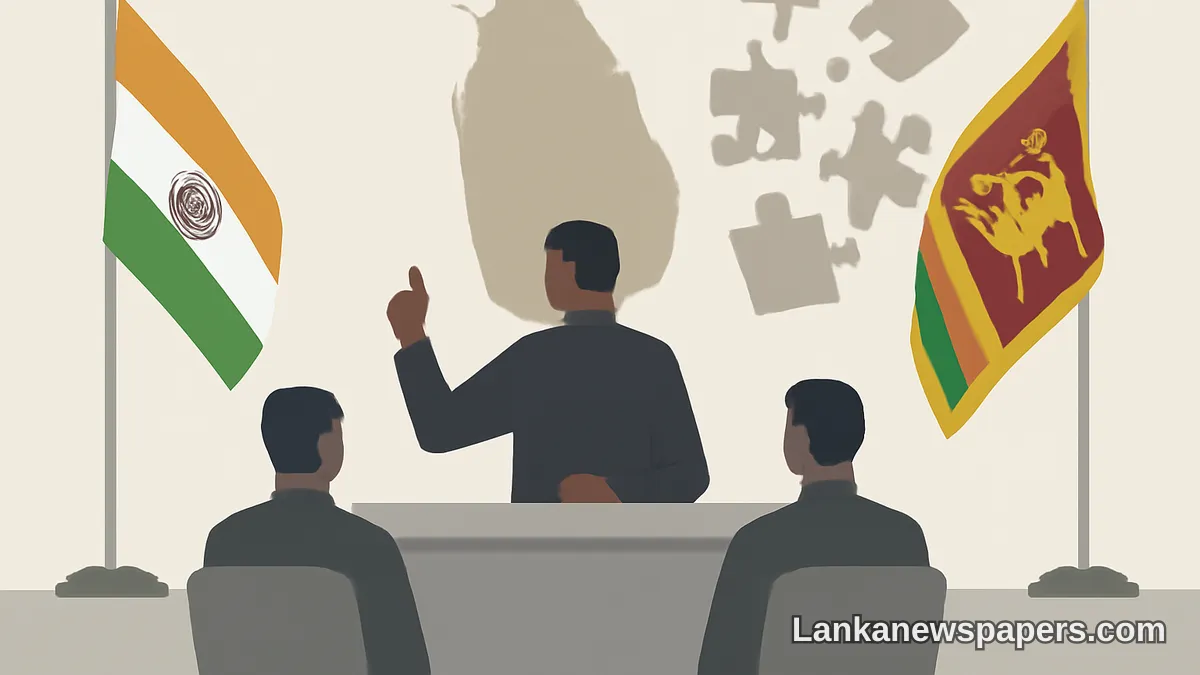
The Tamil National Council (TNC), led by parliamentarian Gajendrakumar Ponnambalam, has made a formal appeal to India to play an active role in securing a lasting political settlement for Sri Lanka's Tamil community, calling on New Delhi to exert pressure on Colombo to move away from its existing unitary constitutional framework toward a federal model of governance.
A Direct Appeal to New Delhi
The TNC's appeal represents one of the more direct requests made to India by a Sri Lankan Tamil political party in recent times, reflecting growing frustration among Tamil political leaders over the lack of meaningful constitutional progress on the long-standing ethnic question in Sri Lanka.
Ponnambalam and his party have made clear that they view India's involvement as essential, arguing that without external pressure from Sri Lanka's powerful northern neighbour, Colombo is unlikely to make the structural constitutional changes that Tamil parties have long demanded.
The Federal Question
At the heart of the TNC's demand is the call for Sri Lanka to abandon its unitary Constitution and adopt a federal arrangement — a proposal that has been a cornerstone of Tamil political aspirations for decades but has consistently faced resistance from successive Sinhala-majority governments in Colombo.
Tamil political groups have long argued that a federal system would provide meaningful devolution of power to the Northern and Eastern provinces, ensuring that the Tamil community has greater autonomy over its own affairs — a key condition, they maintain, for any genuinely durable peace.
India's Role Under the Spotlight
India has historically been a significant stakeholder in Sri Lanka's ethnic conflict, having played a pivotal role during the civil war years and brokering the 1987 Indo-Sri Lanka Accord, which led to the 13th Amendment to the Sri Lankan Constitution. That amendment established provincial councils, though Tamil parties have consistently argued it falls far short of genuine power-sharing.
The TNC's latest move signals that Tamil political leadership continues to look toward New Delhi as a potential guarantor of minority rights, at a time when domestic constitutional reform efforts in Sri Lanka have shown little tangible progress.
Whether India will respond to the TNC's appeal with any shift in diplomatic posture toward Colombo remains to be seen, but the formal nature of the request is likely to draw attention both within Sri Lanka's political establishment and among observers watching the island nation's ongoing post-war reconciliation process.


💬 Join the Discussion 0
Be the first to share your view on this story.