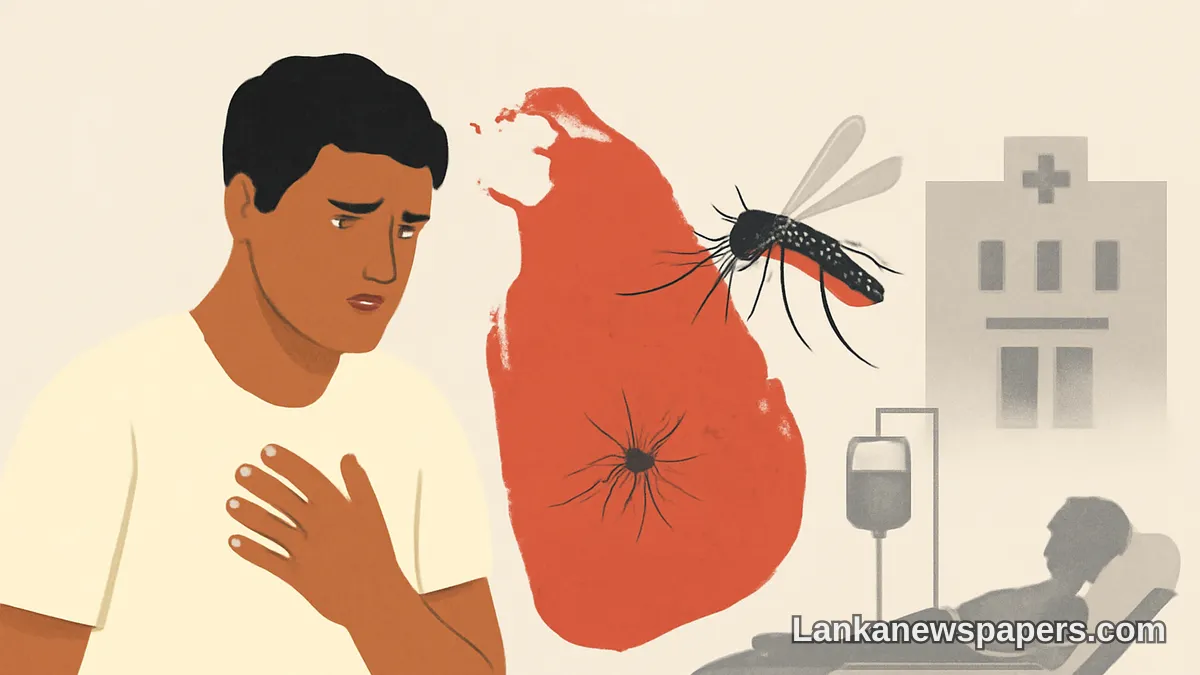
Island-wide dengue burden reaches alarming levels
Sri Lanka is facing a severe public health challenge as the number of reported dengue fever cases across the island has surpassed the 90,000 mark, raising serious concerns among health authorities and medical professionals.
The sharp rise in dengue infections signals a worsening outbreak that has placed considerable pressure on the country's healthcare system, with hospitals and clinics reporting a steady stream of patients presenting with dengue-related symptoms.
A disease that thrives in familiar conditions
Dengue fever, transmitted through the bite of the Aedes aegypti mosquito, remains one of Sri Lanka's most persistent and dangerous vector-borne illnesses. The disease tends to spread rapidly during periods of heavy rainfall and standing water accumulation, conditions that are all too common across many parts of the island.
Health experts have long warned that inadequate waste disposal, clogged drains, and water-collecting containers in both urban and rural settings continue to provide ideal breeding grounds for mosquitoes, fuelling repeated outbreaks year after year.
Public urged to take preventive action
As the case count climbs, authorities are calling on the public to take immediate and consistent preventive measures to curb the further spread of the disease. Key recommendations include:
- Eliminating stagnant water from flowerpots, tyres, and containers around homes
- Using mosquito repellents and protective clothing, particularly during dawn and dusk
- Ensuring proper disposal of solid waste to prevent mosquito breeding
- Seeking medical attention promptly upon experiencing fever, rashes, or joint pain
Early detection and timely medical care remain critical in preventing dengue from becoming life-threatening, particularly for children and the elderly.
A collective responsibility
While government health teams continue to conduct fogging operations and awareness campaigns at the community level, experts stress that controlling dengue cannot rest on official efforts alone. Active participation from households, local councils, and community organisations is considered essential to bringing the outbreak under control.
With cases already well beyond the 90,000 threshold, Sri Lanka faces an urgent need for coordinated, nationwide action to protect public health and prevent further loss of life to this preventable disease.



💬 Join the Discussion 2
See what readers are saying — and add your view.
goverment still sleeping while people dying from mosquito bites
exactly, every year same thing, no action