The $200 Billion Dream: How Sri Lanka Squandered Its Greatest Economic Opportunity
A Nation That Could Have Been
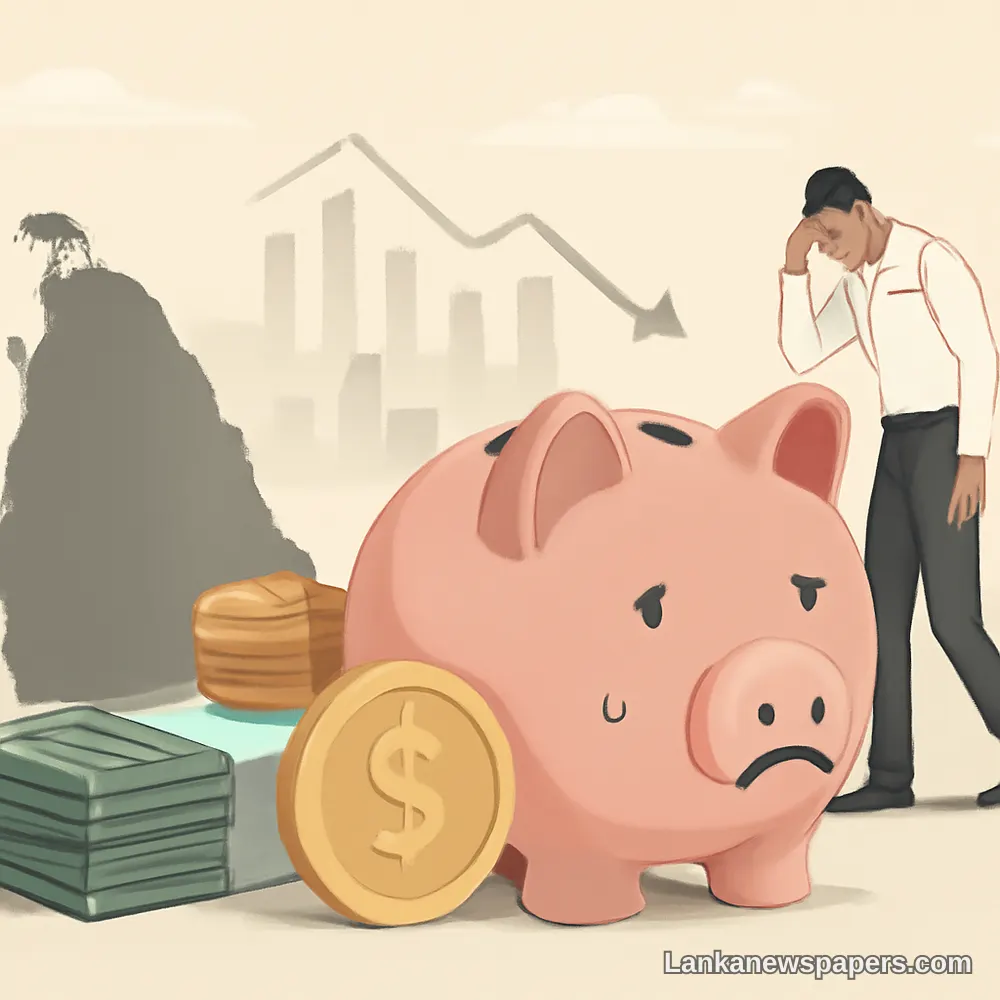
Sri Lanka stands today as a country still rebuilding from its worst economic crisis in modern history — but what makes the situation all the more painful is the realisation that things could have been dramatically different. Economists and policy analysts have long argued that the island nation had every ingredient needed to become a $200 billion economy, yet a series of catastrophic decisions, missed opportunities, and structural failures prevented that potential from ever being realised.
The Foundations Were There
In the decades following independence, Sri Lanka enjoyed several advantages that many of its regional neighbours could only envy. A relatively high literacy rate, a strategic location along major Indian Ocean shipping lanes, a diverse agricultural base, and early investments in healthcare gave the country a head start. At various points in the latter half of the twentieth century, Sri Lanka was considered one of Asia's most promising emerging economies.
The country's GDP trajectory, if managed prudently, had the realistic potential to reach the $200 billion mark — a figure that would have transformed living standards, reduced poverty significantly, and positioned Sri Lanka as a respected middle-income nation with genuine economic resilience.
Where It All Went Wrong
Analysts point to several key failures that collectively derailed this economic ambition:
- Decades of civil conflict: The nearly three-decade-long war between government forces and the Liberation Tigers of Tamil Eelam drained state resources, discouraged foreign investment, and devastated key sectors including tourism and infrastructure development in the north and east.
- Political short-termism: Successive governments prioritised election-cycle spending over long-term structural reforms. Populist policies, including unsustainable fuel and fertiliser subsidies, eroded fiscal discipline and accumulated dangerous levels of public debt.
- Tax revenue collapse: In 2019, sweeping tax cuts reduced government revenue dramatically at a time when the country could least afford it. This decision significantly weakened Sri Lanka's ability to service its external debt obligations and fund essential public services.
- Foreign exchange mismanagement: The Central Bank's stubborn defence of an overvalued rupee depleted foreign reserves at an alarming rate, ultimately making the 2022 default all but inevitable.
- Failure to diversify exports: Sri Lanka remained heavily dependent on a narrow export base — garments and tea — while failing to build competitive industries in technology, manufacturing, or high-value services that could have driven sustained GDP growth.
The Cost of Lost Opportunities
Perhaps the most sobering aspect of Sri Lanka's economic story is the human cost behind the statistics. When the country officially declared bankruptcy in 2022 — unable to meet its foreign debt obligations for the first time in its post-independence history — millions of ordinary citizens faced fuel shortages, prolonged power cuts, skyrocketing inflation, and medicine scarcity. The hardship was not an accident of fate but the accumulated consequence of decades of misgovernance.
Had Sri Lanka maintained fiscal discipline, invested in its people, and embraced economic diversification, the $200 billion economy was not a fantasy — it was a genuine possibility within reach.
Lessons for the Road Ahead
Sri Lanka is currently navigating a recovery path under an IMF-supported programme, with reforms targeting revenue generation, state-owned enterprise restructuring, and debt sustainability. While the immediate crisis has stabilised, economists warn that without deep, lasting reforms, the country risks repeating the same patterns that brought it to the brink.
The story of how Sri Lanka missed its $200 billion opportunity is ultimately not just an economic narrative — it is a cautionary tale about leadership, accountability, and the consequences of placing short-term political gain above the long-term welfare of a nation and its people.
For Sri Lanka's younger generation, who bore some of the heaviest burdens of the 2022 crisis, the hope is that their leaders will finally learn from a past too costly to repeat.



💬 Join the Discussion 0
Be the first to share your view on this story.