Over 1,300 Indian Fishermen Arrested by Sri Lanka Since 2023, Thirty Remain Behind Bars
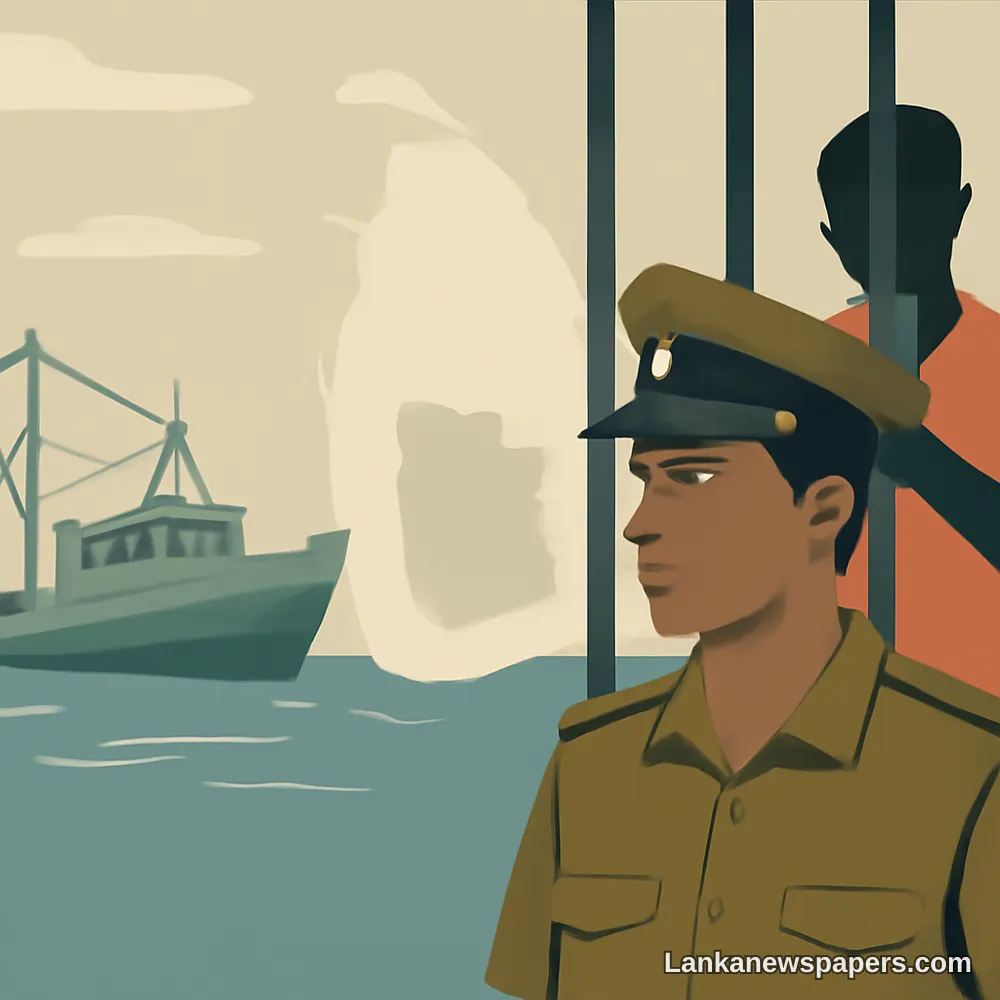
Sri Lankan authorities have arrested more than 1,300 Indian fishermen since the beginning of 2023, with 30 individuals still remaining in custody, highlighting the persistent tensions over fishing rights in the waters separating the two neighbouring nations.
A Long-Standing Maritime Dispute
The arrests underscore the decades-old conflict between Indian and Sri Lankan fishing communities over access to the resource-rich waters of the Palk Strait and the Gulf of Mannar. Sri Lankan naval forces have routinely detained Indian fishermen — predominantly from the southern state of Tamil Nadu — who are alleged to have crossed into Sri Lankan territorial waters illegally.
The issue has long been a source of diplomatic friction between Colombo and New Delhi, with fishing communities on both sides of the strait feeling the economic and humanitarian consequences of the ongoing standoff.
Fishermen Still in Detention
Of the more than 1,300 fishermen detained since 2023, thirty continue to be held in Sri Lankan custody. Their prolonged detention has drawn concern from fishing associations and political representatives in Tamil Nadu, who have repeatedly urged both governments to expedite the release of those still imprisoned.
The detained fishermen are typically held on charges of illegally entering Sri Lankan waters and engaging in unauthorised fishing activities, offences that carry significant legal penalties under Sri Lankan maritime law.
Diplomatic Efforts Under Pressure
The matter continues to place pressure on bilateral relations between Sri Lanka and India, two countries that otherwise maintain close economic and cultural ties. Advocacy groups representing affected fishing families have called on the Indian government to negotiate more firmly with Colombo to secure the swift release of the remaining detainees and to establish a long-term framework that protects the livelihoods of fishermen on both sides.
Sri Lanka has consistently maintained that enforcing its maritime boundaries is a matter of national sovereignty and the protection of its own fishing communities, particularly those in the Northern Province who compete directly with Indian trawlers operating in the same waters.
Broader Impact on Fishing Communities
The repeated arrests have had a devastating impact on fishing families in coastal Tamil Nadu, many of whom depend entirely on sea-based livelihoods. Boats and equipment seized during arrests represent significant financial losses that affected families struggle to recover from.
Both governments have held periodic talks aimed at resolving the dispute, but a durable and mutually agreeable solution has yet to be reached, leaving thousands of fishermen to navigate the dangerous uncertainty of shifting maritime boundaries each time they set out to sea.



💬 Join the Discussion 2
See what readers are saying — and add your view.
Good. Our waters our rules. Should have arrested more honestly.
Exactly, they been doing this for years and getting away with it.