
Climate specialists call for urgent preparedness measures as El Niño looms
Climate and meteorological experts are urging Sri Lanka to take proactive steps in preparing for the potentially damaging effects of an El Niño weather phenomenon, warning that the island nation could face significant disruptions if adequate measures are not put in place ahead of time.
What is El Niño and why does it matter for Sri Lanka?
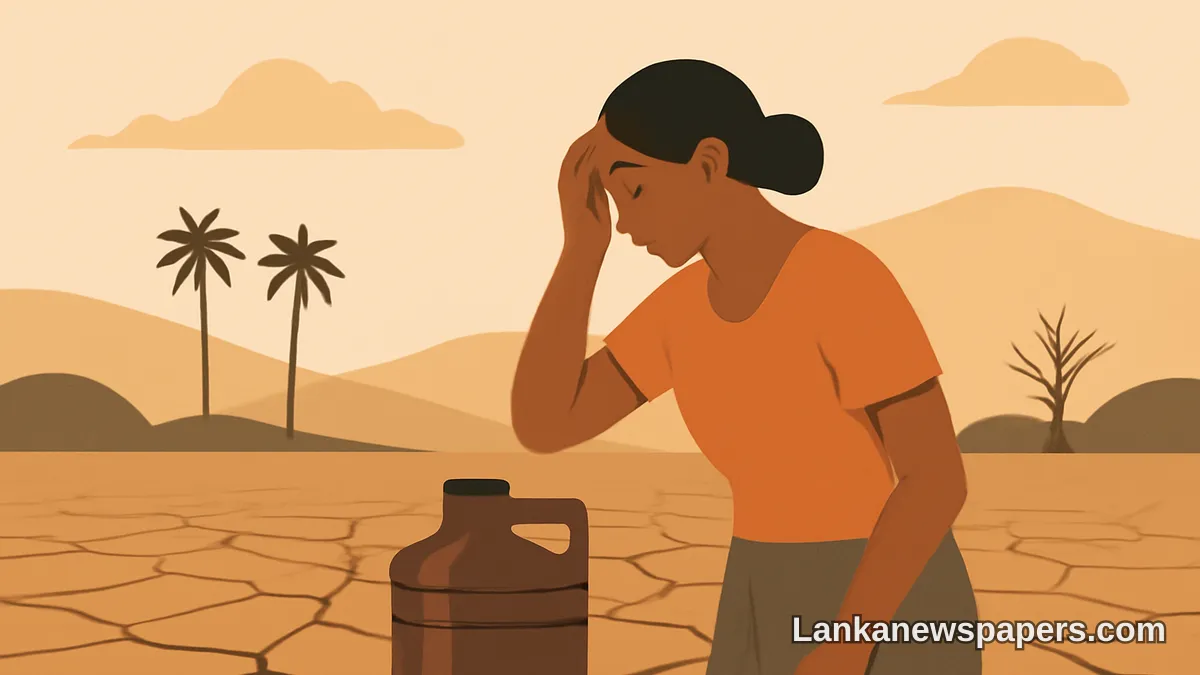
El Niño is a periodic climate pattern characterised by the unusual warming of surface waters in the central and eastern Pacific Ocean. For Sri Lanka, the consequences of such an event can be far-reaching, typically bringing prolonged dry spells, reduced rainfall in key agricultural zones, and heightened risks of drought — conditions that can severely strain food production, water supplies, and rural livelihoods.
In previous El Niño cycles, Sri Lanka has experienced notable disruptions to its agricultural sector, particularly affecting rice cultivation and other staple crops that depend heavily on consistent monsoon rainfall.
Experts call for coordinated national response
Specialists in the field have stressed that early preparation is critical to minimising the socioeconomic damage that an El Niño event could inflict. Among the key recommendations being put forward are:
- Strengthening water conservation and reservoir management strategies ahead of anticipated dry periods
- Advising farmers on drought-resistant crop varieties and alternative cultivation methods
- Enhancing early warning systems to keep communities informed of changing weather patterns
- Coordinating between government ministries, meteorological agencies, and disaster management authorities to ensure a unified response
Preparation is not optional — the cost of inaction during an El Niño cycle is always far greater than the investment required to get ready in advance.
Agricultural and water sectors most at risk
Sri Lanka's farming communities, particularly those in the dry zone regions of the north and east, are considered most vulnerable to the impacts of reduced rainfall. Water reservoirs and irrigation systems that sustain these agricultural heartlands could come under severe pressure should an El Niño event intensify as projected.
Experts have also highlighted potential knock-on effects for hydroelectric power generation, which forms a significant component of Sri Lanka's energy mix. A prolonged dry period could reduce reservoir levels to the point where power output is compromised, placing additional burden on an already stretched national grid.
Government urged to act without delay
With global meteorological agencies monitoring current Pacific Ocean conditions closely, experts say the window for effective preparation remains open — but not indefinitely. Authorities have been urged to treat the possibility of an El Niño event with the same urgency as any other national emergency, mobilising resources and public awareness campaigns without delay.
Sri Lanka, given its geographic location and heavy dependence on seasonal rainfall for both agriculture and energy, remains particularly susceptible to the fluctuations that El Niño brings. Climate specialists maintain that swift, coordinated action at both national and local government levels will be essential to protect vulnerable communities and safeguard the country's food and water security in the months ahead.


💬 Join the Discussion 0
Be the first to share your view on this story.